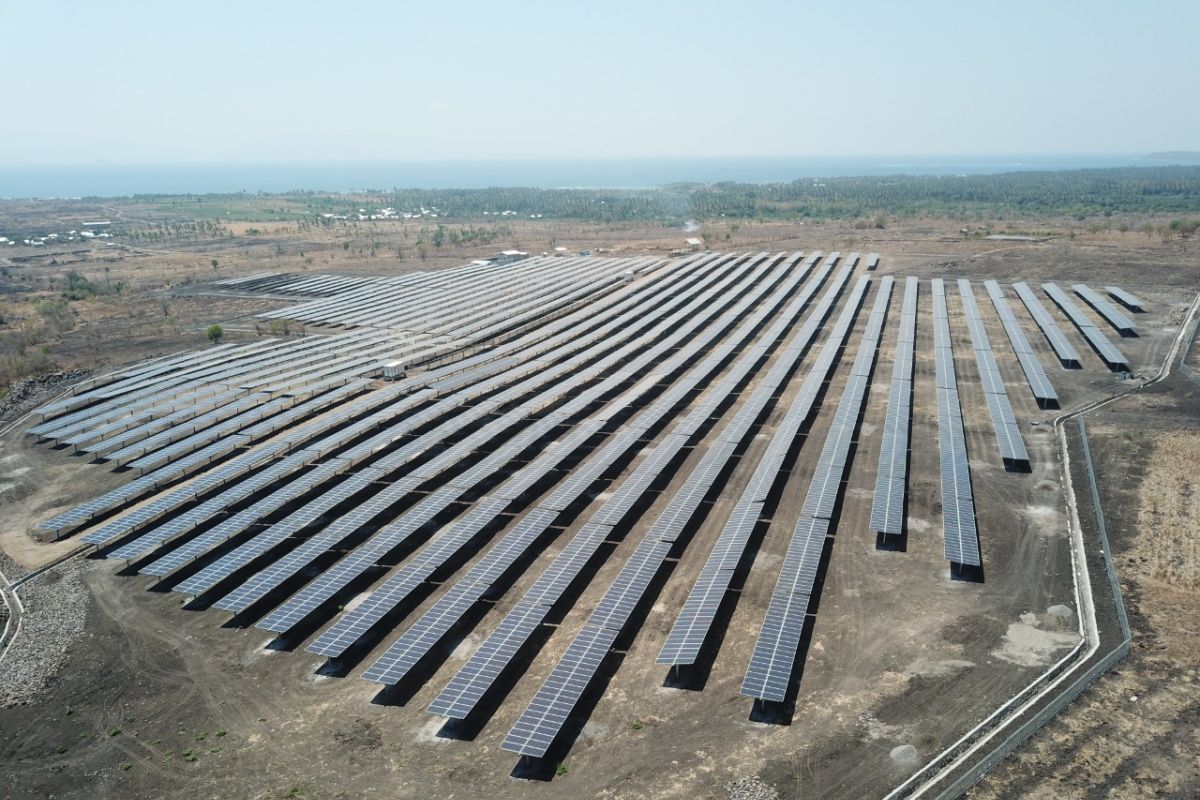
In a sunbaked valley on the island of Lombok, rows of solar panels stretch across 230 hectares of dry land in Sambelia, feeding clean energy into Indonesia’s national grid—a quiet but powerful symbol of a transformation now accelerating across the archipelago. For the first time in years, Indonesia’s renewable energy progress is outpacing expectations, not just meeting them. By April 2026, the country had already achieved a 17.89% share of renewable energy in its national power mix, generating 29.62 terawatt-hours (TWh) of electricity—surpassing the government’s full-year 2026 target of 16.46%. This milestone isn’t just a number; it’s a signal that Indonesia’s energy transition is shifting from promise to momentum.
The jump is striking when viewed against recent trends. In 2024, renewables accounted for 14.65% of the mix, rising to 15.75% in 2025—a solid but gradual climb. In just four months of 2026, however, the share surged by more than two percentage points, driven by a wave of long-delayed projects finally coming online. National strategic hydroelectric plants are now feeding power into the grid, while diesel-fired generators are being phased out faster than ever. The state electricity company PLN’s 2025–2034 Electricity Supply Business Plan (RUPTL) allocates 76% of all new power capacity to renewable sources, cementing clean energy as the primary engine of future growth—not just a supplement.
Sumatra leads the charge, with renewables making up 41.76% of its electricity production. The island’s rich mix of geothermal, hydropower, and biomass resources gives it a unique advantage, but the nationwide story is increasingly shaped by solar. While solar’s current contribution remains modest, it is growing faster than any other renewable source. Plummeting panel prices and expanding rooftop solar programs are making decentralized generation accessible to households and industries alike. Though solar hasn’t yet reshaped the national mix, its trajectory suggests it will be a cornerstone of Indonesia’s energy future.
Hydropower still dominates the renewable landscape, supported by biomass and geothermal as long-standing pillars in reducing fossil fuel dependence. Indonesia holds some of the world’s largest untapped geothermal reserves, and growing foreign investment is beginning to unlock this potential. Incentives designed to attract capital are also creating jobs and easing pressure on the state budget. Within a year of the RUPTL’s release, nearly half of the planned renewable capacity additions have entered execution.
Challenges remain—grid infrastructure must keep pace, investment needs are high, and coal will not vanish overnight. But the path forward is clearer than it has ever been. As one official noted, 'The targets once seemed out of reach. Now, they’re already in sight.' With momentum building and clean energy becoming the default choice for new capacity, Indonesia’s energy future is being rewritten—one terawatt-hour at a time.