When wars disrupt oil shipments through the Persian Gulf, gas prices spike at gas stations everywhere — from small towns in Ohio to villages in Kenya. Now, the world has a new goal to prevent that from happening again.
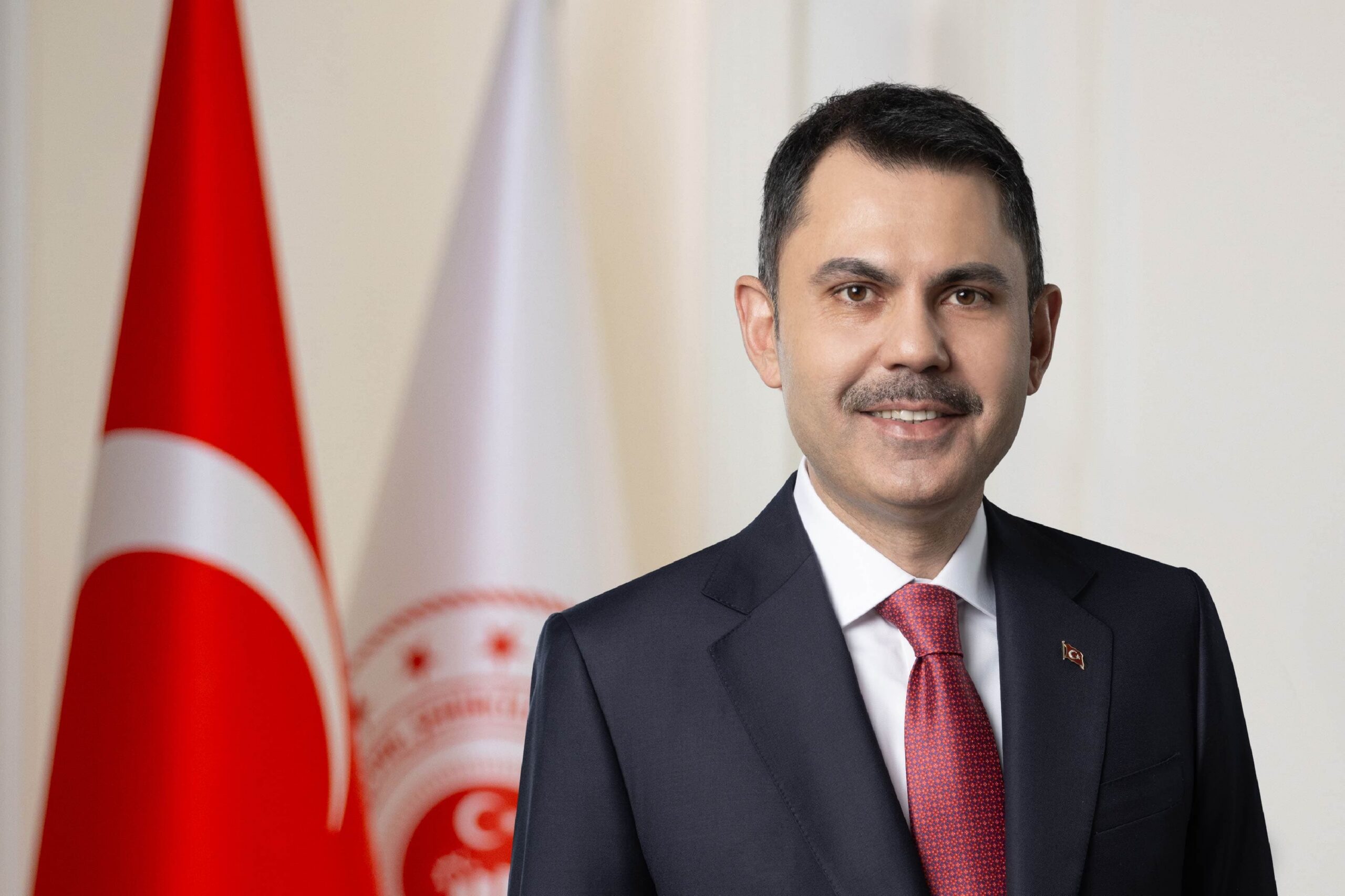
Murat Kurum, Turkey's environment minister and the president of the upcoming COP31 climate summit, announced last month that 35 percent of the world's energy should come from electricity by 2035. It's a big number — and an ambitious one.
"It is the surest and cleanest way to protect citizens around the world from high and volatile energy prices," Kurum told Carbon Brief in an interview.
The idea came from science, not politics. Kurum said the 35 by 35 target was built on research from the International Energy Agency and the International Renewable Energy Agency. These groups study what the world needs to do to keep global warming from exceeding 1.5 degrees Celsius (about 2.7 degrees Fahrenheit) — a key limit set in the 2015 Paris Agreement.
The timing matters. Recent conflicts in the Gulf region have made countries realize how dependent they still are on oil and gas shipped through vulnerable sea lanes. When those routes are disrupted, everyone pays more at the pump. Renewable electricity from solar panels and wind turbines, by contrast, comes from resources countries can access on their own soil.
The reaction has been positive. Brazil and Ethiopia — which will host the next two climate summits — have backed the target, along with the European Union, United Kingdom, and Canada. All confirmed it will be a central topic at COP31.
Businesses are on board too. A survey by the We Mean Business Coalition found that 90 percent of companies expect to have largely switched to electricity to power their operations by 2035. Even more striking: 88 percent said electrification will actually make their businesses more competitive, not less.
To reach the goal, the world needs to focus on three major areas: buildings, transportation, and factories. Together, these sectors produce about 45 percent of all greenhouse gas emissions. That means switching heating systems, cars, and industrial equipment away from fossil fuels is essential.
Kurum said financial help for poorer countries and investment in electrical grids will also be crucial. Many developing nations want to build clean energy systems but lack the upfront money to do it.
Turkey itself is walking the talk. The country plans to reach 120 gigawatts of renewable energy capacity — enough to power tens of millions of homes — by 2035.
Kurum is optimistic. "We are focused and determined to use COP31 as a moment to spark a global conversation about electrification," he said. The summit will be held in Turkey, where delegates from around the world will gather to negotiate climate action.
If the 35 by 35 target holds, it could reshape how the world gets its energy — and make it more resilient to the next crisis, wherever it strikes.