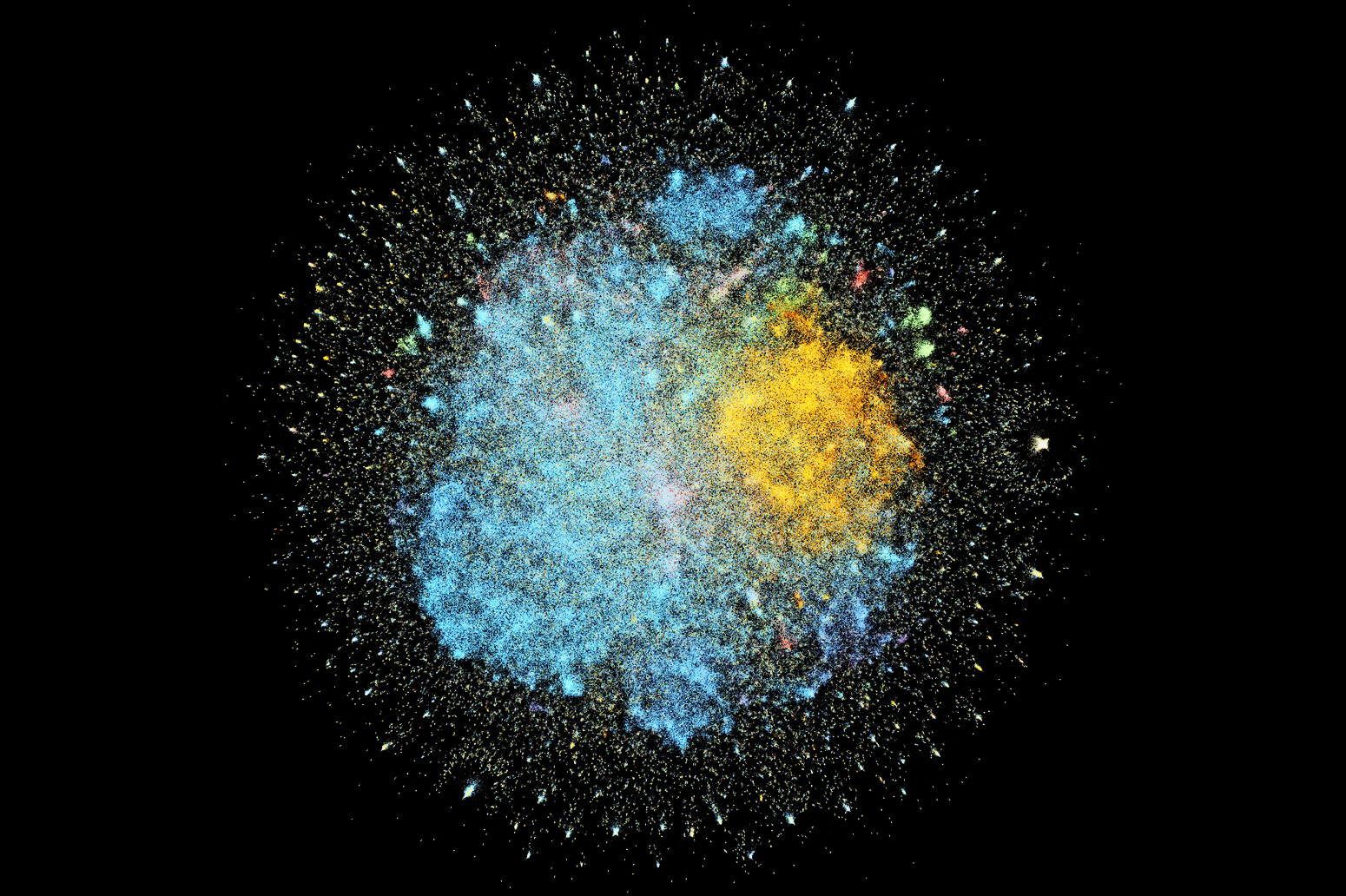
Eunice Newton Foote’s 1856 study, published in the American Journal of Science and Arts, quietly ignited a revolution in climate science—now, her work is part of a vast digital universe that maps more than 1.8 million climate publications and 40 million citation links. Project Cosmos, launched by Carbon Brief, is the most comprehensive database of climate change research ever assembled, capturing over a century of scientific inquiry into a single, interconnected network. This monumental effort, developed over 18 months with guidance from academic experts, doesn’t just archive knowledge—it reveals how climate science has evolved, who has shaped it, and where critical gaps remain.
At its core, Cosmos uses the Intergovernmental Panel on Climate Change (IPCC) reports as a foundation, extracting references from every major working group and special report since 1990. These reports, produced by hundreds of scientists across six assessment cycles, contain more than 100,000 references—each one a thread in the growing web of climate understanding. By tracing these citations, Project Cosmos identifies the most influential papers, authors, and institutions through its Cosmos 500 rankings. The database already highlights foundational figures like John Tyndall and Svante Arrhenius, whose early experiments on atmospheric CO2 laid the groundwork for modern climate modeling.
The structure of the database mirrors the scientific process itself: every publication is linked to its cited sources, creating a living map of knowledge. While peer-reviewed studies form the bulk of the collection, the database also includes books, reports, and government publications, offering a holistic view of climate scholarship. One of its most powerful features is the ability to track how research priorities have shifted over time—revealing surges in interest around topics like renewable energy, climate justice, and extreme weather events. Researchers can now explore these trends, identify underrepresented areas, and target future studies where they’re needed most.
Project Cosmos is not just a tool for academics. It’s a public resource that democratizes access to climate knowledge, allowing journalists, educators, and policymakers to trace claims back to their scientific roots. As the IPCC’s seventh assessment cycle unfolds, the database will continue to grow, offering real-time insights into the changing landscape of climate science. What began with a single paper in 1856 has become a global network of evidence—one that may help guide the next century of climate action.