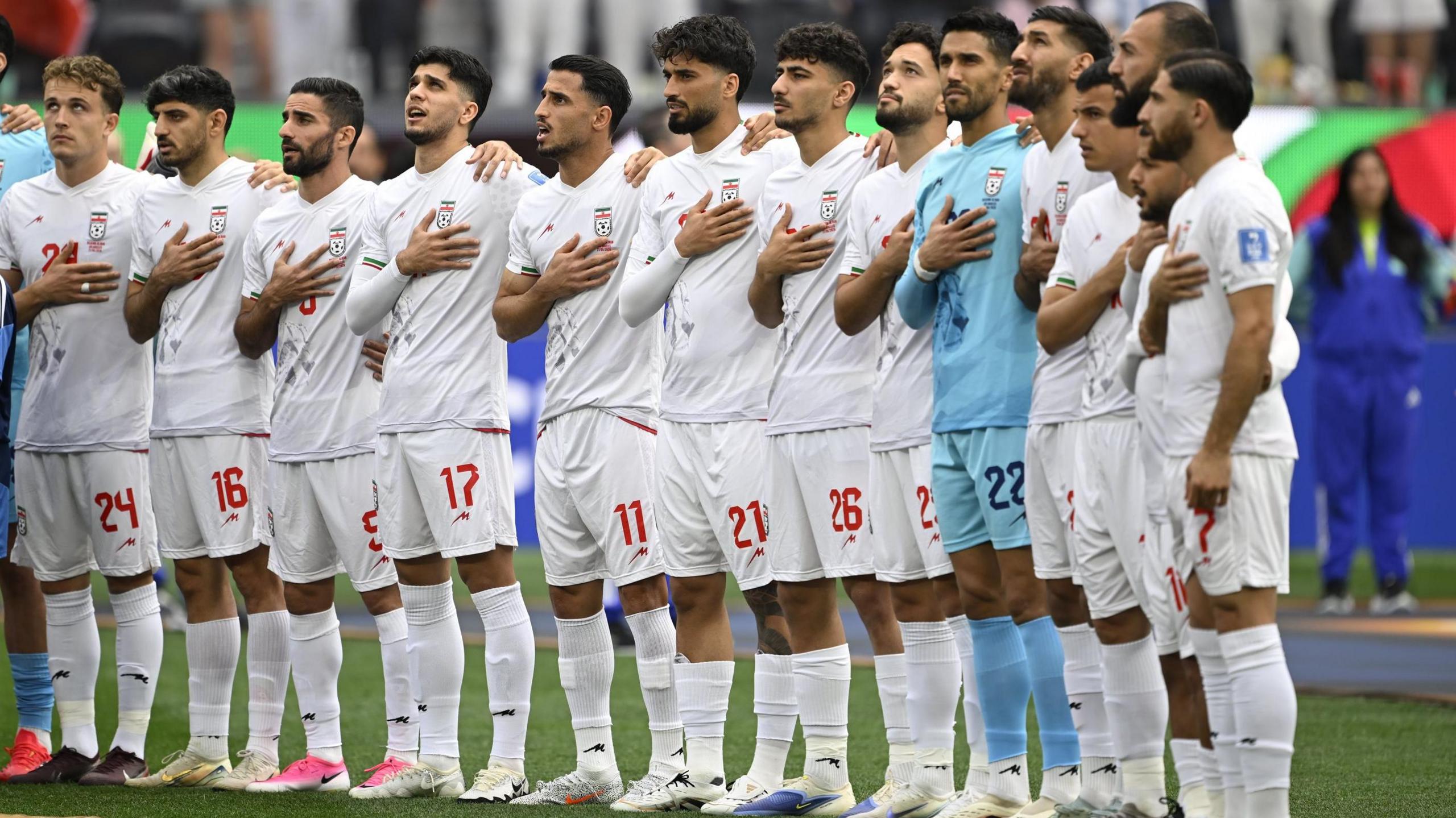
In the quiet aftermath of a goalless draw at Los Angeles Stadium, Iran’s national football team left behind more than cleat marks — they left a plea for peace, handwritten and quietly powerful. Following their second Group G match against Belgium at the 2026 World Cup, the players penned a message that echoed far beyond the pitch: "May peace, respect and friendship prevail among all nations." The note, released by the Football Federation of Iran (FFIRI), was discovered in their dressing room, a deliberate act of diplomacy in a tournament shadowed by global tensions.
The moment carried profound weight. Iran is competing in a World Cup co-hosted by the United States, a nation with which it has been in fragile negotiations to end a war that began just months earlier. The game itself was tense, but the real story unfolded off the field, where sport became a vessel for something deeper. "From the ancient Persia of thousands of years ago to the civilised Iran of today, the spirit of Iran remains alive and steadfast," the message read — a reminder that identity endures, even in conflict.
The team, widely praised for their disciplined performance, framed their campaign as one of national pride and moral clarity. "We came to Los Angeles with pride, competed with honour, and leave with dignity," they wrote, acknowledging both their athletic effort and the emotional toll of representing a nation at war. They thanked every Iranian who "gave their heart, voice and soul" during the 180 minutes of their two matches, a nod to the collective spirit sustaining them from afar.
The message also paid tribute to the victims of a devastating attack on a girls’ school in Minab, where at least 168 people were killed on the first day of the war — a tragedy that has galvanized global condemnation. By including this, the team ensured that remembrance walked hand-in-hand with hope. In a world where sports are often politicized, Iran’s players chose not to protest, but to propose — a vision of unity rooted in culture, resilience, and humanity.
Their gesture has since gone viral, shared by fans, diplomats, and athletes alike. It stands as a rare moment of soft power, where a simple note became a statement. As the World Cup continues, Iran may not have advanced, but their words have traveled further than any goal ever could. And in a time when division dominates headlines, their closing line offers a quiet, persistent challenge: that peace might still be possible, one act of courage at a time.