In the span of a single month, 60 countries launched 185 emergency policies in response to a global energy crisis — a display of coordinated action that experts say has no modern parallel. Rather than spiraling into chaos, nations large and small mobilized at unprecedented speed to shield their citizens, conserve resources, and rethink their energy futures.
The crisis began in late February when conflict disrupted shipments through the Strait of Hormuz, a narrow passage in the Persian Gulf through which roughly a fifth of the world's oil and liquefied natural gas typically flows. The International Energy Agency has called it "the largest supply disruption in the history of the global oil market." Around 90 percent of those supplies normally head to Asian destinations, leaving countries like Japan, South Korea, and India scrambling.
But scramble they did — together. Using tracking data from the IEA and think tank E3G, analysts at Carbon Brief documented how governments responded with striking creativity and solidarity. Tax cuts emerged as the most popular first step: roughly 30 nations, spanning from Norway to Zambia, moved to reduce fuel taxes and ease the burden on households. Spain, despite being relatively insulated by its high reliance on renewables, announced a €5 billion aid package with at least six measures to support consumers.
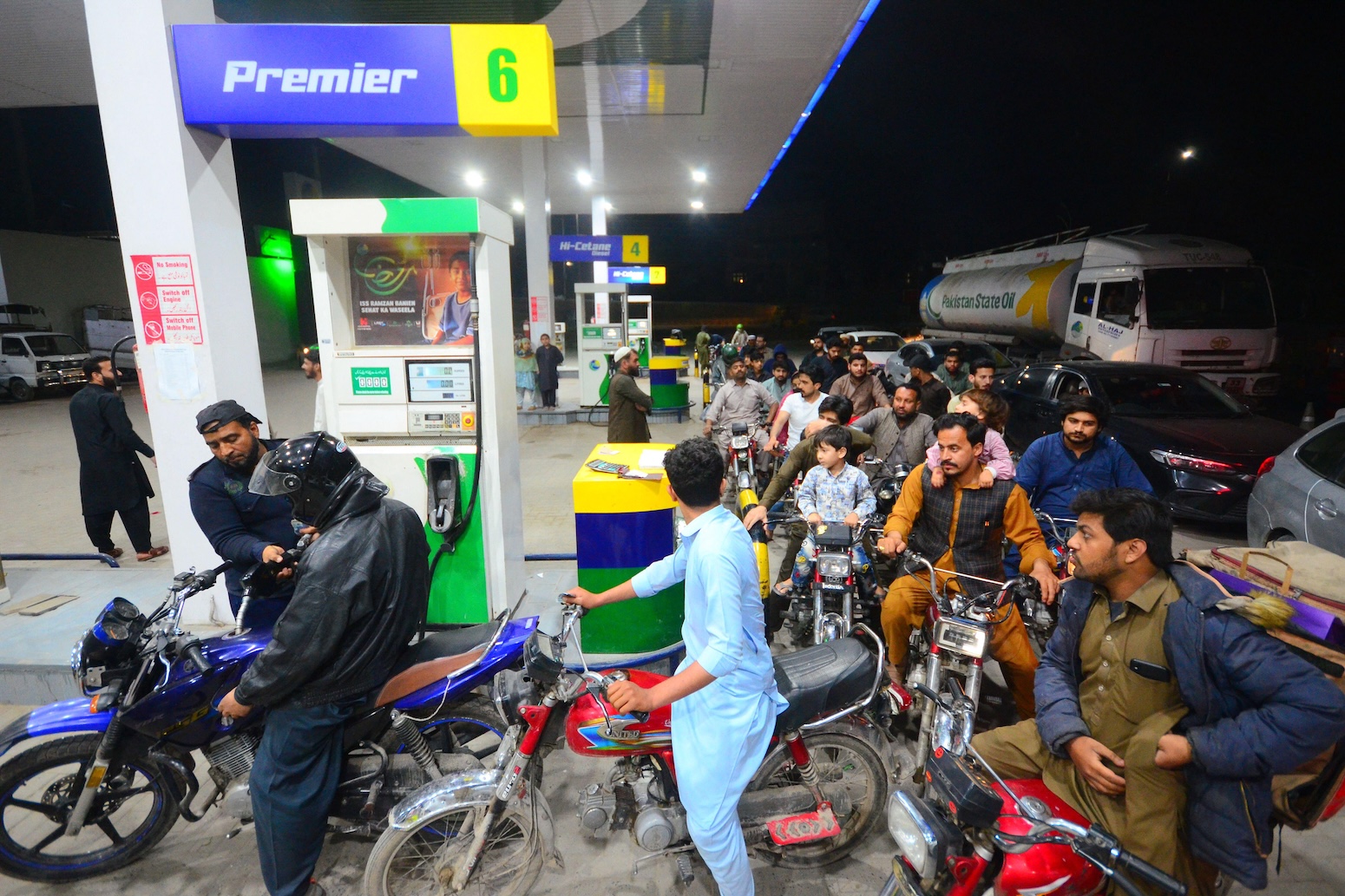
In Asia, where disruption hit hardest, countries embraced more dramatic measures. The Philippines declared a "state of national emergency" that included capping air conditioning in public buildings and subsidizing public transit. Bangladesh asked citizens and businesses to dim non-essential lighting. Pakistan lowered highway speed limits. Laos encouraged remote work. Meanwhile, Indonesia, Japan, South Korea, and India committed billions to fuel subsidies, keeping essential services running for ordinary people.
Perhaps most significantly, some nations are using the crisis as a catalyst for longer-term change. Several have emphasized boosting domestic renewable-energy construction — turning a moment of vulnerability into a push for energy independence. Others, including Japan, Italy, and South Korea, have leaned on coal in the short term, but the broader trajectory points toward diversification.
Even with a two-week ceasefire announced, the road ahead remains uncertain. Infrastructure damage is extensive, and energy markets will take time to stabilize. But the global response offers a glimpse of what international cooperation can accomplish under pressure. Sixty countries, hundreds of policies, and one shared recognition: that when energy grows scarce, solidarity becomes essential.