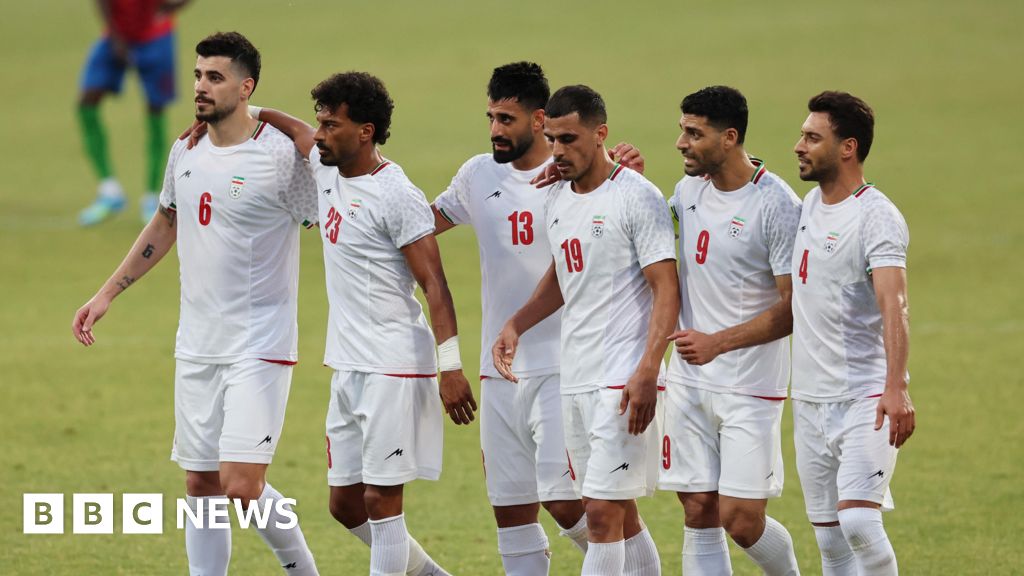
Iran's football team has been granted US visas to compete in the 2026 World Cup in Los Angeles, marking an extraordinary moment in sports diplomacy just ten days before their opening match against New Zealand on June 15. The approval, confirmed by US officials, allows athletes and necessary support staff from a country with deeply strained relations with the United States to compete on American soil — a breakthrough that underscores both the power of sport to transcend geopolitical divisions and the intricate negotiations required to make it happen.
The FIFA World Cup 2026, launching June 11 across the United States, Canada, and Mexico, carries historic weight: it will be the first iteration of the competition where a host nation receives a team from a country it is at war with. For Iran, whose football federation has not yet publicly commented on the visa approvals, this represents an unexpected diplomatic opening during a period of heightened US-Iran tensions.
The visa clearance was far from automatic. As recently as Friday, before the official announcement, Iran's state news agency Fars reported that some members of the team's technical and administrative staff had not yet received clearance to enter the country. The timing underscored the delicate nature of the approval process. Earlier in the week, US Secretary of State Marco Rubio had told lawmakers that Iran's football delegation would not be allowed to include individuals with links to the Islamic Revolutionary Guards, a powerful branch of the Iranian armed forces. Several players in the Iranian squad have completed mandatory military service with that organization, adding another layer of complexity to the vetting process.
US officials made their security concerns explicit in their statement. "The visas necessary for Iran to compete in the World Cup, including for athletes and necessary support staff, have been issued," they said, before adding a pointed caveat: the US would not allow the Iranian team to "abuse this system to sneak terrorists into the United States under false pretenses." The blunt language reflected the administration's approach — balancing the international commitments that come with hosting a World Cup against national security priorities that remain paramount.
What makes this approval significant extends beyond the soccer pitch. International sporting events have historically served as rare moments of connection between nations at odds, offering both symbolic reconciliation and practical channels for communication. For Iran's players and staff, the visas represent the opportunity to showcase their talent before a global audience on one of sport's biggest stages. For the United States, granting them entry signals a recognition that even amid diplomatic friction, the universal language of sport can create space for coexistence.
The Iranian team now has just over a week to prepare for their opening fixture against New Zealand, with the certainty that they will be allowed to make the journey. Whether this moment of sporting diplomacy signals anything deeper about US-Iran relations remains to be seen — but for now, football will proceed, visa in hand.