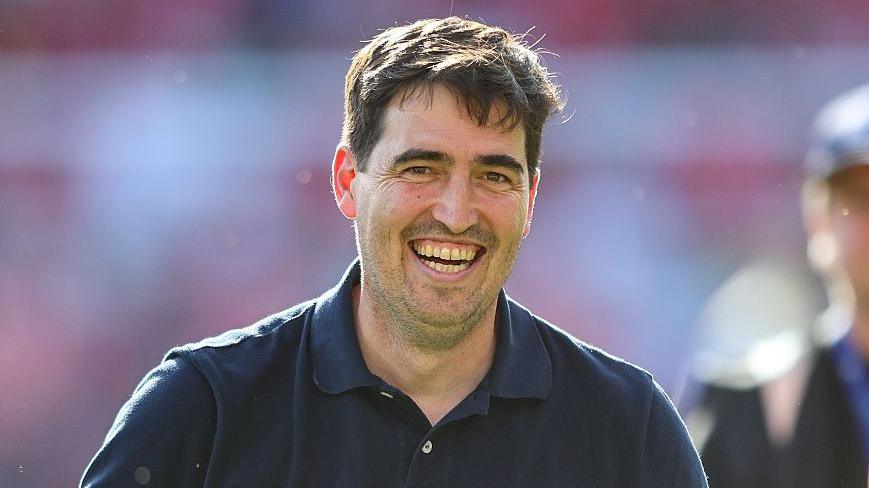
Andoni Iraola's appointment as Liverpool manager has reignited something that had quietly dimmed under his predecessor: hope. After Arne Slot's tenure left fans frustrated with defensive, cautious football and a stunning collapse from a record-equalling title chase to fifth place, the club has turned to the Bournemouth manager to restore attacking verve and the joy that once defined life at Anfield.
The contrast with recent seasons cuts deep. Slot inherited a Liverpool side that had matched the club's greatest achievement—a 20th league title—but in his second campaign saw them finish 25 points behind champions Arsenal. That dramatic decline, paired with a playing style that felt timid by Liverpool's standards, fractured the relationship between manager and supporters. When a fanbase becomes disillusioned, as Murphy noted, the manager's days are numbered. The club had to act.
Iraola arrives from Bournemouth, where he built a reputation for courageous, high-energy football that presses opponents and plays with attacking ambition—precisely the style Liverpool's supporters crave and the direction the club's leadership wanted to pursue. "When a fanbase becomes disillusioned with a manager and his style of play and then start turning on him, you're delaying the inevitable," Murphy said. "Bringing in Iraola was the best option because the fans go into a new campaign with hope and excitement, rather than fear."
That emotional reset matters more than it might seem. Ste Plunkett from Redmen TV told BBC Radio Merseyside that last summer's squad construction needed a manager aligned with it—something that was missing under Slot. Peter Bolster from Spion Kop podcast spoke to the shift plainly: "Large parts of last season I wasn't excited to watch Liverpool. I wasn't excited to go to Anfield and I certainly wasn't excited for pre-season or the start of next season. And whatever happens from this point onwards, I am excited."
Yet Iraola faces genuine challenges. This is his first move to a club of Liverpool's stature, and Murphy flagged legitimate concerns: the intensity of managing one of the world's biggest clubs, where every decision is scrutinized globally, will be jarring. More pressingly, sustaining high-intensity, pressing football every few days demands a squad built for that purpose. Liverpool's current roster, Murphy suggested, lacks the legs and dynamism necessary—it was built for Slot's different approach.
The summer transfer window has become Liverpool's defining task. The squad needs reinforcement if Iraola's attacking blueprint is to work consistently across a long campaign. This won't happen overnight, but the direction is clear and the appetite has returned.
Iraola hasn't managed in European competition, and Liverpool's job has proven too much for others—Thomas Frank's move from Brentford to Tottenham flopped spectacularly. But there's something fresh about an outsider approaching the role without the weight of failed predecessors or media narratives. As Plunkett observed, Iraola hasn't worried about reputation or opponents; he won't be hobbled by ghosts of campaigns past.
For now, Liverpool fans have what they lacked for months: excitement about what comes next. Whether Iraola delivers on that promise remains to be written. But after a season of anxiety, the shift alone feels like progress.