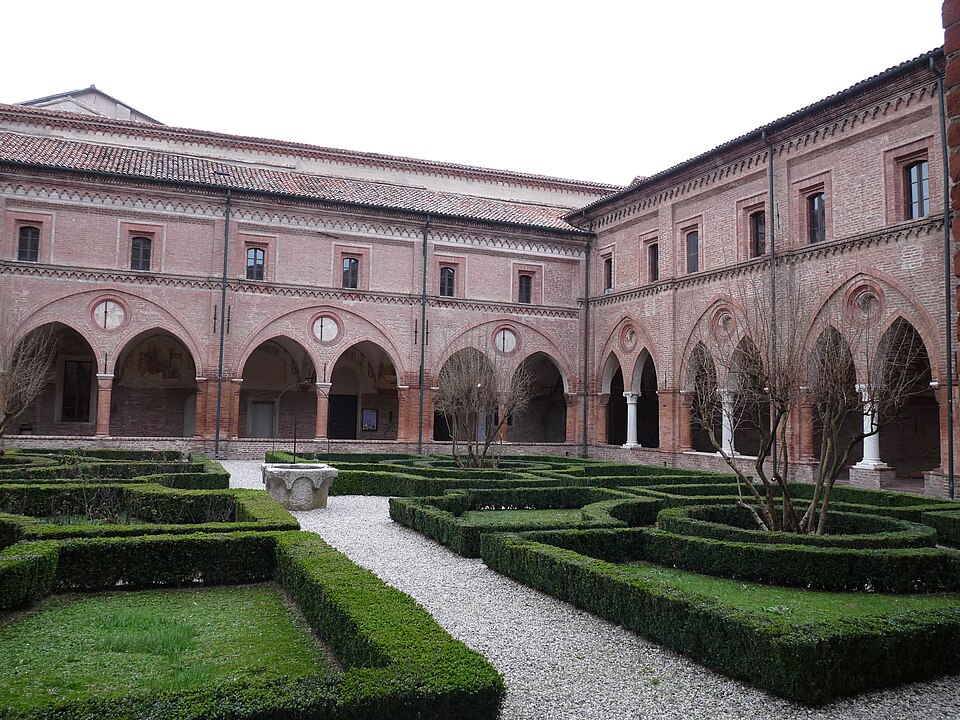
In the Lombardy countryside near Mantua, a 10th-century monastic complex has been restored to vibrant life—and Italy's Polirone monastery in San Benedetto Po is now the beacon of this year's European Heritage Awards. The 2026 winners, announced by the European Commission, recognized the site as an outstanding model of how ambition and persistence can resurrect cultural treasures that once seemed lost to time.
Polirone's story is one of neglect reversed. The complex had fallen into serious disrepair before restoration efforts finally began in 2013, marking the start of a long journey back to purpose and beauty. What makes this achievement sing is not merely the bricks-and-mortar work, but everything that followed. The site became a living demonstration of how heritage conservation can weave together environmental responsibility with genuine human connection. The restorations incorporated energy sustainability measures and created interactive, inclusive educational spaces—proof that historic preservation need not be a museum exercise, but rather an invitation to community engagement and learning.
Commissioner for Culture Glenn Micallef praised the win, noting that "this year's winners demonstrate how Europe's rich cultural heritage inspires creativity, promotes innovation, strengthens social resilience, and helps shape a more sustainable and inclusive future for us all." His words point to something larger than any single building: the recognition that cultural heritage, when cared for thoughtfully, becomes a catalyst for human flourishing. At Polirone, visitors and locals alike can now access not just history, but also practical demonstrations of how to build sustainably while honoring the past.
The Polirone monastery's designation places it among Europe's finest examples of protection and conservation, a pantheon that includes some of the continent's most cherished sites. For San Benedetto Po—a small town that might otherwise remain off the map of cultural tourism—the award is transformative. It signals to travelers, students, and cultural enthusiasts that extraordinary heritage work is happening in unexpected places, far from the Renaissance capitals that dominate the tourist circuit.
The timing is significant. As Europe grapples with the twin imperatives of environmental crisis and social fragmentation, Polirone's approach—marrying restoration with sustainability and community accessibility—offers a blueprint that other sites can emulate. The complex demonstrates that you need not choose between preserving the past and building a better future; the two can be inseparable. Its interactive and inclusive measures ensure that cultural heritage serves everyone, not just scholars and the privileged few.
The European Heritage Awards, presented annually by the European Commission, exist precisely to surface such stories—to celebrate the quiet, unglamorous work of restoration and to inspire others. Polirone's recognition will undoubtedly draw fresh attention to Lombardy's cultural riches and remind Europe that its shared heritage is worth protecting with creativity, innovation, and genuine care. In San Benedetto Po, a monastery that seemed destined for oblivion has become, instead, a living lesson in what commitment to heritage can achieve.