In the shadow of Rome's temples and Florence's gilded galleries, Italy has quietly crisscrossed its landscape with something far older: five legendary pilgrimage trails that most travelers have never heard of. Now, under a unified initiative called Antichi Cammini d'Italia—the Antique Trails of Italy—these routes are being woven together for the first time ever as an EU-funded Cultural Routes project, offering pilgrims, walkers, and seekers of authentic experiences a chance to slow down and move through the country in a way that honors both its history and its present.
The initiative arrives at a moment of urgency. Europe groans under record tourism, cities overflow, and authentic cultural experiences grow rarer each season. Italy's response is elegant: redirect that human current away from the crowded circuits toward the slower, deeper, more sustainable paths that crisscross the peninsula. The five trails—the Via Francigena, the Via St. Francis, the Cammino St. Benedict, the Via Romea Germanica, and the Romea Strata—have carried pilgrims for centuries, yet remain far less famous than Spain's Camino de Santiago.
The scope is staggering. The Romea Strata alone stretches 2,900 miles across seven countries, passing 50 UNESCO World Heritage Sites, with its Italian portion covering 620 miles and 47 stops. The Via St. Francis, linked to the life of the Franciscan founder, spans 304 miles across two sections. The Cammino St. Benedict winds from Umbria to Rome along 186 miles and 16 stops, tracing the footsteps of its namesake saint. The Via Romea Germanica arrives at Rome from Germany and Austria after traveling 1,367 miles. These are not casual day hikes; they are invitations to step into Italy's layered past.
What makes this initiative distinctive is not merely the routes themselves, but the infrastructure that makes them accessible to modern travelers. Sixty smart signage devices now guide walkers along the trails, offering free Wi-Fi and Bluetooth beacon technology connected to the Italia.it app. When visitors enter beacon range, they receive notifications about the stage they're on and local cultural offerings: technical route details, geolocated maps, and multimedia content in multiple languages. Over 1,000 information sheets catalog churches, monuments, natural areas, and heritage sites—more than 40 percent of them lesser-known treasures rarely featured in international tourism circuits.
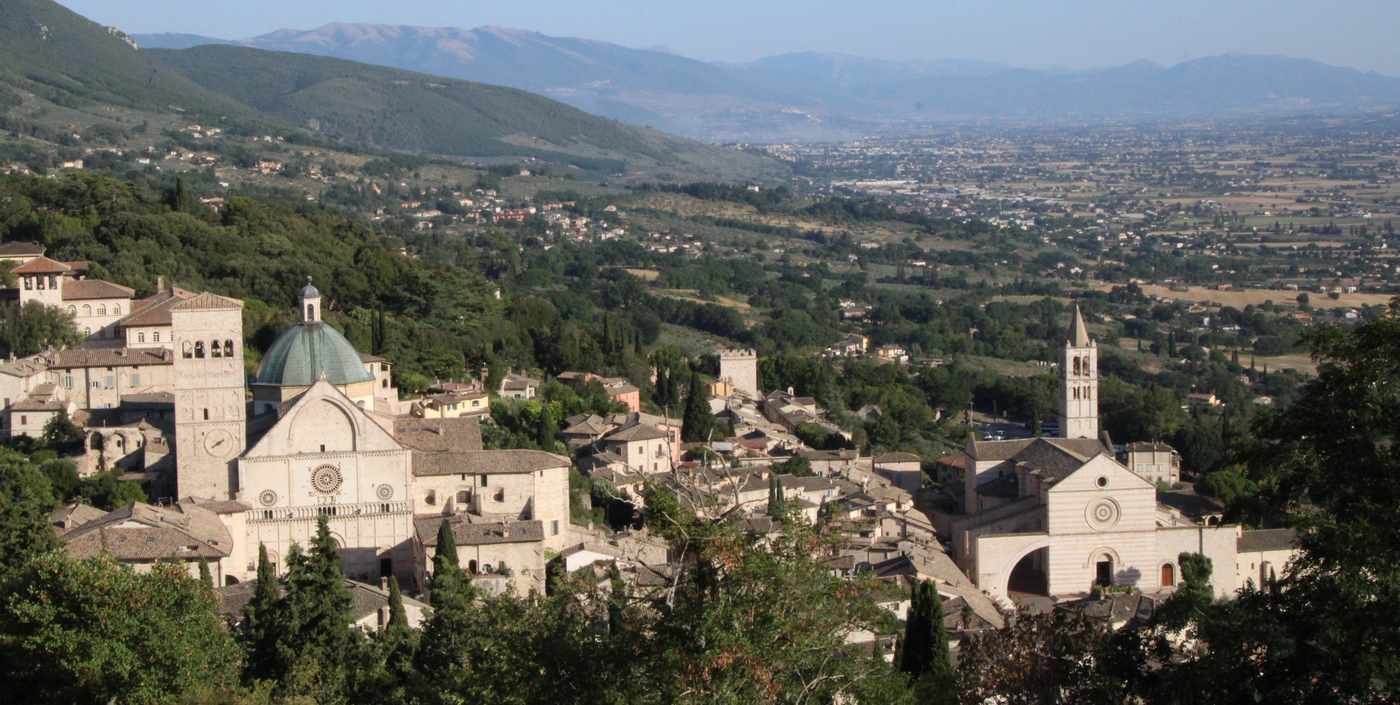
This blending of the physical and the digital creates a new model for cultural tourism: walkers experience the meditative rhythm of pilgrimage while accessing real-time interpretation of the territories they move through. They encounter not just iconic destinations but the churches of Assisi, the Papal Palace at Viterbo, St. Benedict's Cave of Sacro Speco, the first Benedictine monastery at Montecassino, and the Holy Valley of Rieti—places that together tell the story of religious life and human devotion across centuries.
The audience for these trails spans far beyond traditional pilgrims. Cultural travelers, outdoor enthusiasts, families, and people simply seeking a more direct relationship with local communities and territories are discovering that slower movement through landscape opens different doors. In easing pressure on Italy's most-visited sites while extending visitor flows across broader seasons and lesser-known areas, Antichi Cammini d'Italia offers something increasingly precious: a way to travel that honors both the people who live along the route and the earth beneath it.