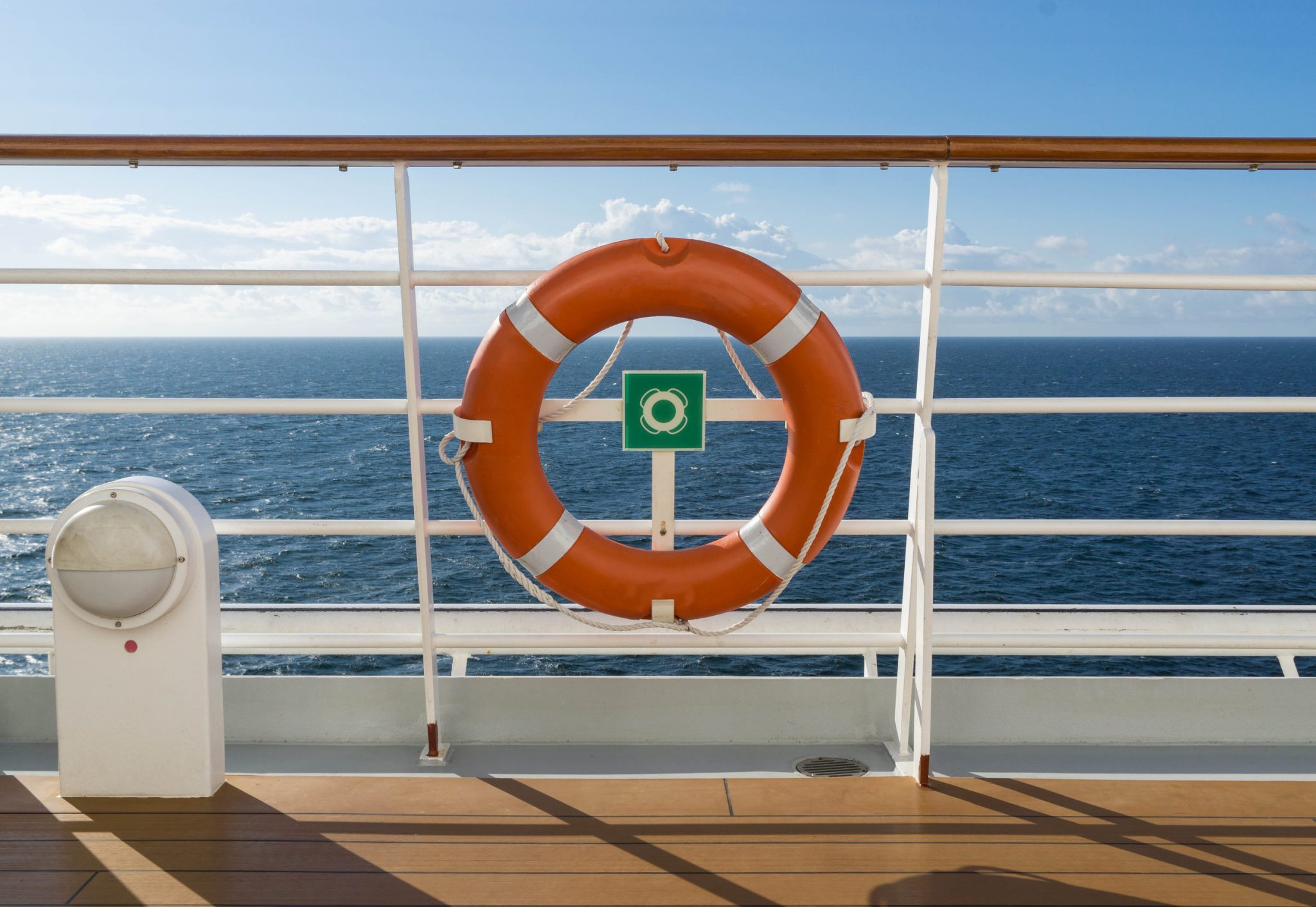
Cruise ships average 10,000 to 15,000 steps a day—a fact that catches most travelers by surprise on day two, when their feet start protesting. But physical exhaustion is far from the only health hazard lurking on a voyage at sea. The difference between a dream vacation and days spent quarantined in your cabin often comes down to preparation that happens weeks before you even board.
The CDC's pre-trip recommendation starts four to six weeks out: schedule a doctor's visit to get current on flu and COVID-19 vaccines, and if you're in a higher-risk group, ask about the RSV vaccine as well. For itineraries that include tropical or remote destinations, your doctor can advise on destination-specific vaccines or medications that might save you from serious illness mid-voyage. That same visit is a good time to discuss seasickness solutions—scopolamine patches worn behind the ear can provide relief for up to three days at a time.
Jet lag deserves attention too. If you're flying east and crossing three or more time zones, your body will feel run down and more susceptible to digestive issues before you've stepped foot on deck. Shifting your bedtime by 15 to 20 minutes a day over two to three days beforehand makes a noticeable difference by day one. A pre-assembled health kit—packed with prescription medications in original containers, motion sickness relief like meclizine or Dramamine, basic pain and fever medication, antacids, antidiarrheals, and bandages—costs a fraction of what you'd pay at inflated cruise ship shop prices. Travel insurance is worth considering too; onboard medical care adds up fast, and emergency air evacuations can exceed $200,000.
What you pack matters as much as what you prepare. An N95 or KN95 mask for crowded indoor spaces, sunscreen with SPF 15 or higher, good walking shoes, and a refillable water bottle all serve immediate purposes—but hand sanitizer and antibacterial wipes might be your most valuable tools. A 2026 study found that only one in 20 cruise ship passengers maintained proper hand hygiene throughout their trip, despite how critical it is in a shared, enclosed environment. Wiping down your cabin's door handles, light switches, and TV remote when you arrive is a two-minute habit worth doing. On board, wash your hands before eating, after returning from port excursions, every time you re-enter your cabin, and after touching stair railings or elevator buttons. Soap is more effective than sanitizer, but sanitizer works when soap isn't available.
The daily habits that protect you are remarkably straightforward. The CDC recommends limiting alcohol to one drink per day for women and two for men—useful guidance when drinks are included in your fare. Avoid overeating at the buffet; it's a reliable route to feeling rough at sea. Be cautious about food at local port restaurants, where preparation and hygiene standards vary. Apply sunscreen at least 15 minutes before going outside and reapply every two hours. On a sea day, it's easy to lose track of how long you've been on deck.
For seasickness, ginger—whether in ginger ale, ginger chews, or ginger tea—usually responds well. Moving to a lower deck, lying still, and applying pressure to the P6 point on your inner wrist can provide relief. A cabin positioned lower or midship tends to reduce the motion you'll feel, which matters if seasickness is a real concern for you.
With these preparations made, you're not just protecting yourself from illness—you're protecting the vacation you've been imagining.