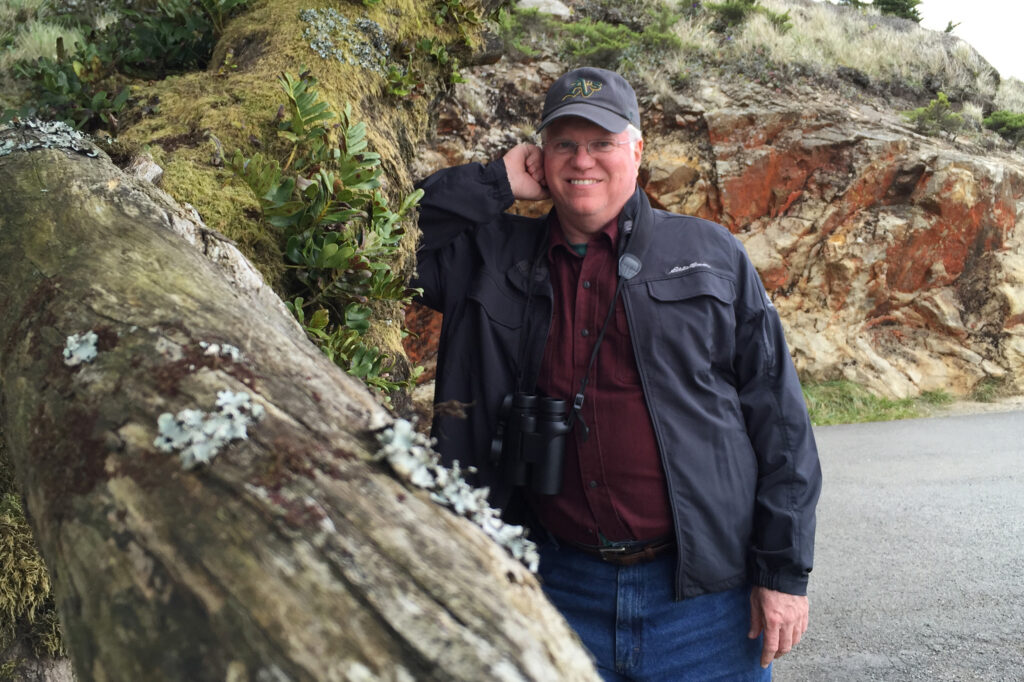
James Bruggers was standing on the banks of a creek in eastern Kentucky, notebook in hand, rain soaking through his jacket, asking a coal miner’s widow what clean water meant to her — not because he needed a quote, but because he genuinely wanted to know. For over four decades, Bruggers moved through the American landscape like a quiet force of clarity, exposing pollution, challenging corporate power, and amplifying the voices of those too often silenced by both industry and indifference. He died at 68 in Louisville, Kentucky, on Tuesday, after a battle with thyroid cancer and pneumonia, leaving behind a legacy of fearless environmental journalism that changed policies and protected communities.
Bruggers’ reporting mattered because it worked. At the Courier Journal, his 2002 series on toxic air pollution in Louisville’s Rubbertown — an industrial corridor where emissions had long gone unchecked — didn’t just raise alarms. It led to action. The city launched a new emissions monitoring and reduction program that, according to metro government data, helped slash toxic chemical releases by 80 percent. His investigation into brain damage among railroad workers exposed by chemical exposure led to greater workplace safety scrutiny and support for affected families. These weren’t abstract stories — they were interventions.
From 1999 to 2018, Bruggers was the environmental conscience of Louisville, and after joining Inside Climate News in 2018, he turned his focus to the expanding crisis of plastic waste and petrochemical development across the Southeast. His groundbreaking reporting on so-called "advanced recycling" revealed that the industry’s promises of a sustainable solution to plastic pollution were largely speculative, masking continued pollution and harm to nearby communities. "He was the tip of the spear on so many issues related to plastics," said Judith Enck, president of Beyond Plastics and former EPA regional administrator. "He did really pioneering journalism educating lots of people before anyone got to the issue."
Even after retiring in 2024, Bruggers remained engaged, filing stories through April and mentoring younger journalists. Just four years before his death, he alerted colleague Lee Hedgepeth to a mine explosion near her home — a tip that state regulators had missed. Their joint investigation uncovered dangerous methane leaks beneath residential areas, ultimately prompting a federal investigation and renewed scrutiny of mine safety protocols.
Bruggers’ work earned accolades from the National Press Foundation, which awarded him the 2003 Thomas L. Stokes Award for Energy and Environment Journalism, and the Society of Environmental Journalists, which honored his 2020 coverage of coal mining’s toll on Appalachia. But more than awards, he earned the deep respect of his peers. "He was the kind of reporter all the reporters on our staff wanted to be," said Vernon Loeb, executive editor at Inside Climate News. Bruggers didn’t just report the news — he lived by its highest ideals: truth, compassion, and an unshakable belief that journalism could make the world safer, fairer, and more just. The air is cleaner, the water safer, and the truth louder because he was here.