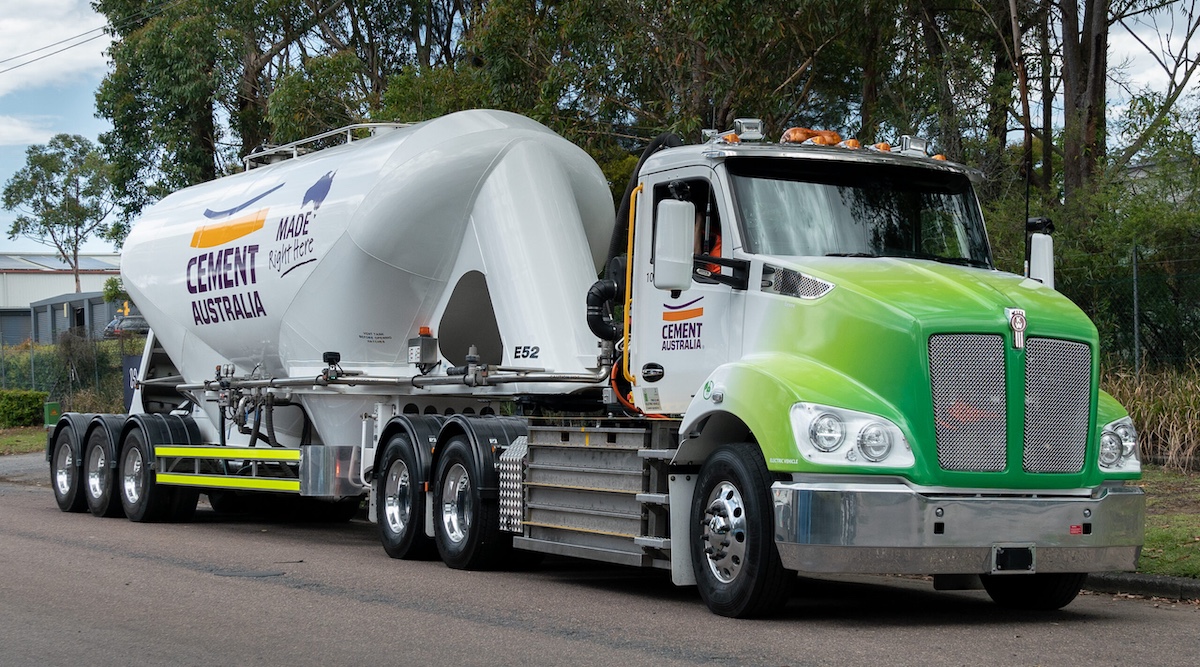
When a diesel truck engine dies, most rigs end up in the scrapyard. But at Janus Electric in Australia, a five-year-old diesel truck gets a second life — as an electric vehicle that costs just a quarter of what a brand-new electric truck would set you back. The secret? Swapping out old diesel engines for electric motors and popping the batteries in and out like giant puzzle pieces whenever the truck needs more power.
It's a clever trick that could help Australia clean up its trucking industry faster than waiting for brand-new electric trucks to roll off assembly lines. Janus CEO Ben Hutt says his company isn't trying to electrify every long highway route in the country. Instead, they're targeting the 80 percent of heavy trucks that drive short distances and return to their home base every day.
"We don't need to be the people who electrify the Hume highway from Sydney to Melbourne," Hutt said in an interview. "There are many use cases where our technology makes sense immediately, bypassing the need to wait for national charging infrastructure."
The battery swap itself takes only about four minutes. Drivers use a forklift to lift out the depleted battery and slide in a fresh one. The company is also developing automatic swap stations that won't need human. Each swapped battery is checked, serviced, and replaced when it ages — so trucks always run on a known, good power source. This model, called Battery as a Service (BaaS), means fleet owners don't have to worry about battery costs or health.
One example customer is Cement Australia, which operates trucks in demanding conditions. The company uses a special charging setup that draws 300 amps at 240 volts — strong enough for quick swaps but gentle enough that it doesn't require expensive upgrades to the electrical grid. Fixed-battery electric trucks, by contrast, need massive battery packs big enough for the longest possible trip, which makes them heavier and sometimes pushes them over legal weight limits. Janus conversions actually end up lighter than the original diesel trucks, which helps them meet axle weight regulations.
Janus currently runs about 30 converted trucks and plans to scale up to producing 50 conversion kits per month. With diesel trucks becoming more expensive and harder to find, electric conversions look increasingly attractive to fleet owners who want to cut costs and emissions without buying entirely new vehicles.
Slow charging also extends battery life and puts less stress on the power grid — a growing concern as more vehicles plug in across Australia.