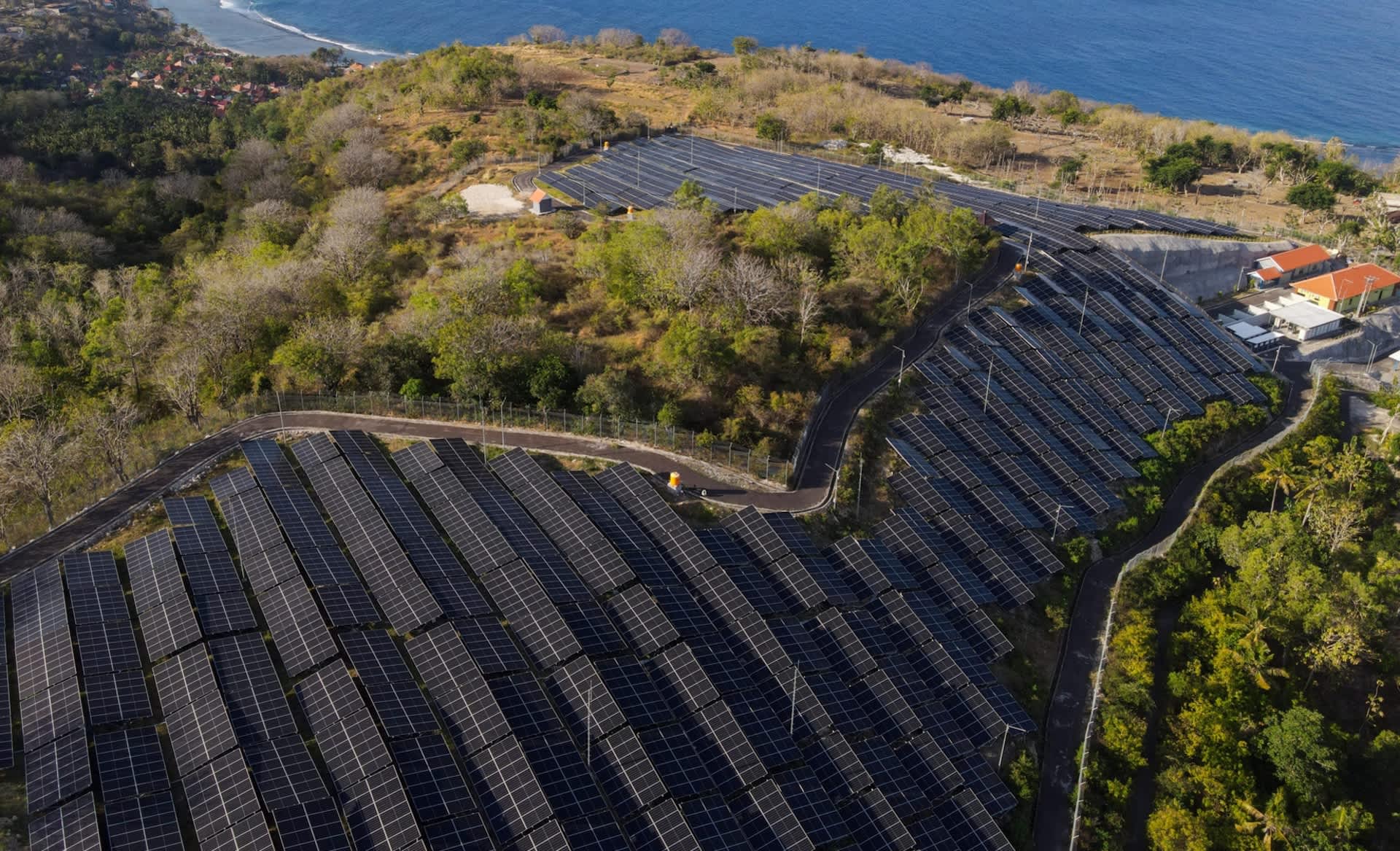
On the island of Jersey, just south of England, a quiet revolution is taking shape at Moulin à Vent, where solar panels are harnessing the sun with remarkable efficiency. Jersey Electricity's first solar farm has smashed its own expectations by generating 25 to 30 percent more electricity than engineers originally projected—a result so robust that it has already reshaped conversations about the island's energy future.
When renewable energy projects beat their forecasts by such a margin, it signals something worth paying attention to. More stable local power means less dependence on imported electricity, particularly from France, which currently supports much of Jersey's grid. That shift matters because it cushions communities against the price volatility of global energy markets and strengthens the island's ability to weather supply disruptions. For households, the downstream effect could be more predictable energy bills. For the island as a whole, it's a step toward genuine energy independence.
The 4.3-megawatt-peak facility in St. Clement has exceeded all initial estimates since coming online, according to Jersey Electricity's annual report. The utility attributed the outperformance to three factors: the thoughtful layout of the site itself, improved panel efficiencies in modern solar technology, and favorable weather conditions. Chris Ambler, the company's chief executive, framed the achievement in terms of energy resilience: "With new projects delivering locally-generated power to the grid for the whole community, solar is becoming increasingly affordable, stable and complementary to our imported power from France." That complementary approach—blending homegrown renewables with strategic imports—is the model that energy experts say makes systems stronger.
The Moulin à Vent installation is only the beginning. Jersey Electricity is pursuing its Solar 5000 strategy, an ambitious roadmap designed to generate enough solar electricity for the equivalent of 5,000 homes by 2030. Two additional ground-mounted solar farms, planned for St. John and St. Mary, are expected to add roughly 6.6 megawatts-peak of capacity to the grid. If those projects perform as well as Moulin à Vent—and there's reason to believe they might—the combined output could exceed even those expanded targets.
The local response has been encouraging. Environmental group Jersey in Transition, represented by chair Nigel Jones, welcomed the farm's early performance as a promising signal. In a region where energy security has long been a concern, watching solar panels deliver more than they promise isn't just a technical win—it's a vote of confidence that renewable energy can genuinely work at scale in northern European climates.
What makes this story resonate beyond Jersey's shores is the broader lesson: solar farms don't need perpetually blue skies or equatorial latitudes to thrive. Modern panel efficiency has advanced enough that even temperate island climates can deliver surplus generation. That opens possibilities for renewable energy expansion across similar regions, where skeptics once assumed solar's returns would always fall short of forecast. Jersey's experience suggests otherwise—and offers hope to communities everywhere seeking a cleaner, more independent energy future.