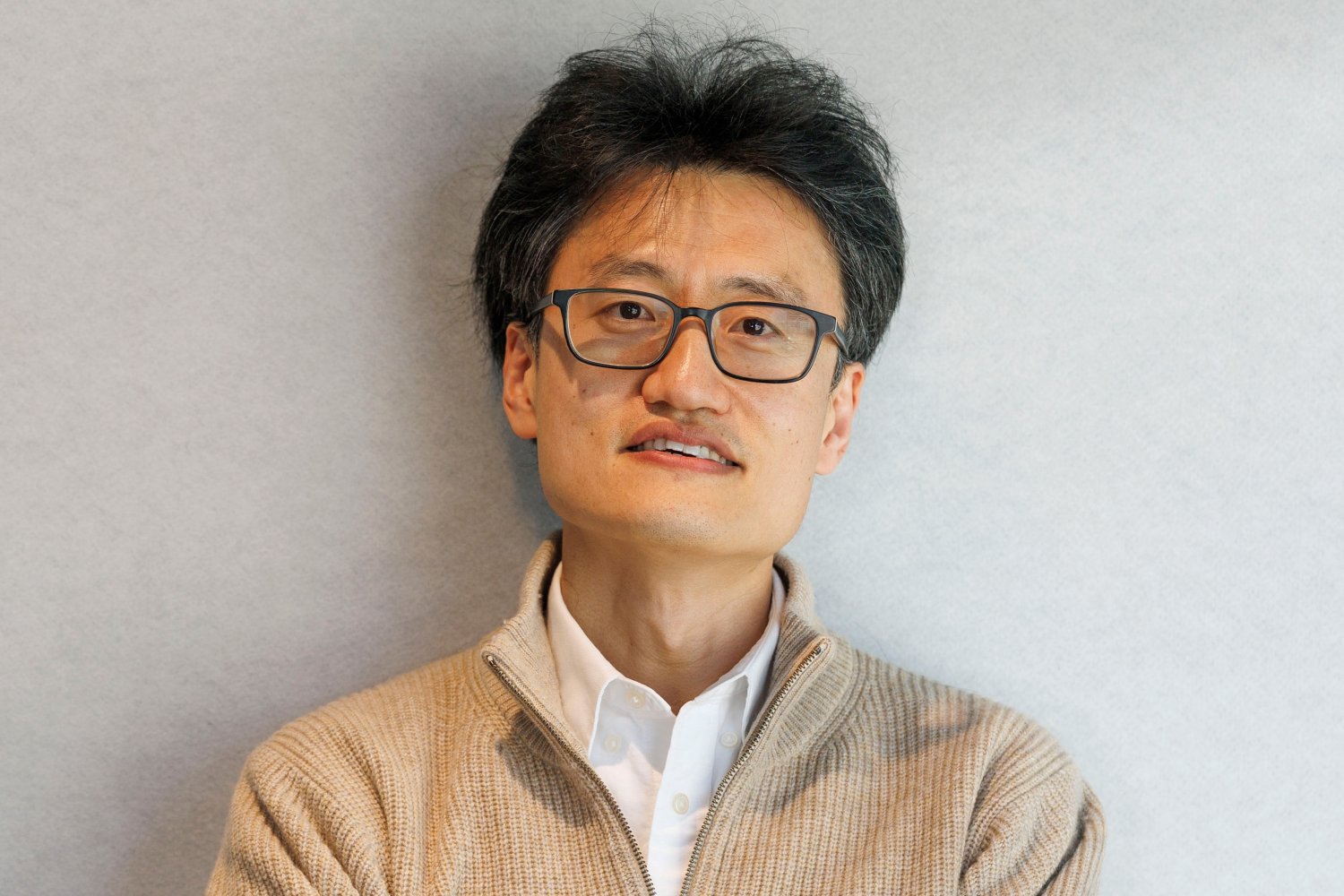
Jinhua Zhao, who earned three degrees from MIT before joining its faculty, has been appointed head of the Department of Urban Studies and Planning, effective July 1—taking the helm of one of the world's most influential schools for thinking about cities and mobility. As the Class of 1941 Professor of Cities and Transportation, Zhao brings two decades of experience reshaping how cities around the globe manage their most pressing challenge: getting people and goods moving in an age of rapid technological change.
Zhao's appointment matters because urban transportation is no longer a local problem. The decisions made in London, Hong Kong, Singapore, and Boston ripple outward as cities grapple with autonomous vehicles, digital platforms, and aging infrastructure all arriving at once. Dean Hashim Sarkis of MIT's School of Architecture and Planning praised Zhao as "a world leader in imagining and shaping better futures for mobility" and noted a rare quality: his seamless movement between cutting-edge research and real-world policy work with governments and transportation agencies worldwide.
The scale of Zhao's influence is visible in his fingerprints across the world's major transit systems. He and his team have shaped policy for Transport for London, the Mass Transit Railway in Hong Kong, and Japan Railways. In the United States, his research has directly impacted the MBTA in Boston, the Chicago Transit Authority, and Washington's Metropolitan Area Transit Authority. He developed autonomous vehicle deployment strategy in Singapore and the Middle East—work born from what he describes as the central tension facing every city: "The technology is moving faster than the institutions designed to govern it."
At MIT, Zhao has built the architecture to close that gap. He founded the MIT Mobility Initiative, which connects transportation researchers across the Institute and around the world. The centerpiece is the MIT Mobility Forum, a weekly public discussion that began as a small internal gathering and has grown into a genuinely global platform drawing more than 200 practitioners, policymakers, and researchers every week. He also directs the JTL Urban Mobility Lab, which combines behavioral science and transportation technology to reshape how cities design mobility systems and set policy.
His vision for leading DUSP reflects that same commitment to bridging research and practice. Zhao wants the department's work to reach the people actually making decisions in cities right now—transit authorities figuring out how to integrate autonomous vehicles, city governments rebuilding aging infrastructure, transport ministries navigating the policy implications of artificial intelligence. The problems are global but rooted in communities: aging societies, AI's impact on employment, energy crises, traffic congestion.
"We know a great deal about how cities grow, how people move, and how that will change," Zhao says. What matters now is whether that knowledge reaches the officials and engineers who need it. Zhao succeeds Christopher Zegras, who led DUSP since 2020 and expanded opportunities for students to work directly with communities and policymakers worldwide. With Zhao stepping into the role, MIT's Department of Urban Studies and Planning appears poised to accelerate its mission of turning research into action—not just on campus, but in the real cities where millions of people live.