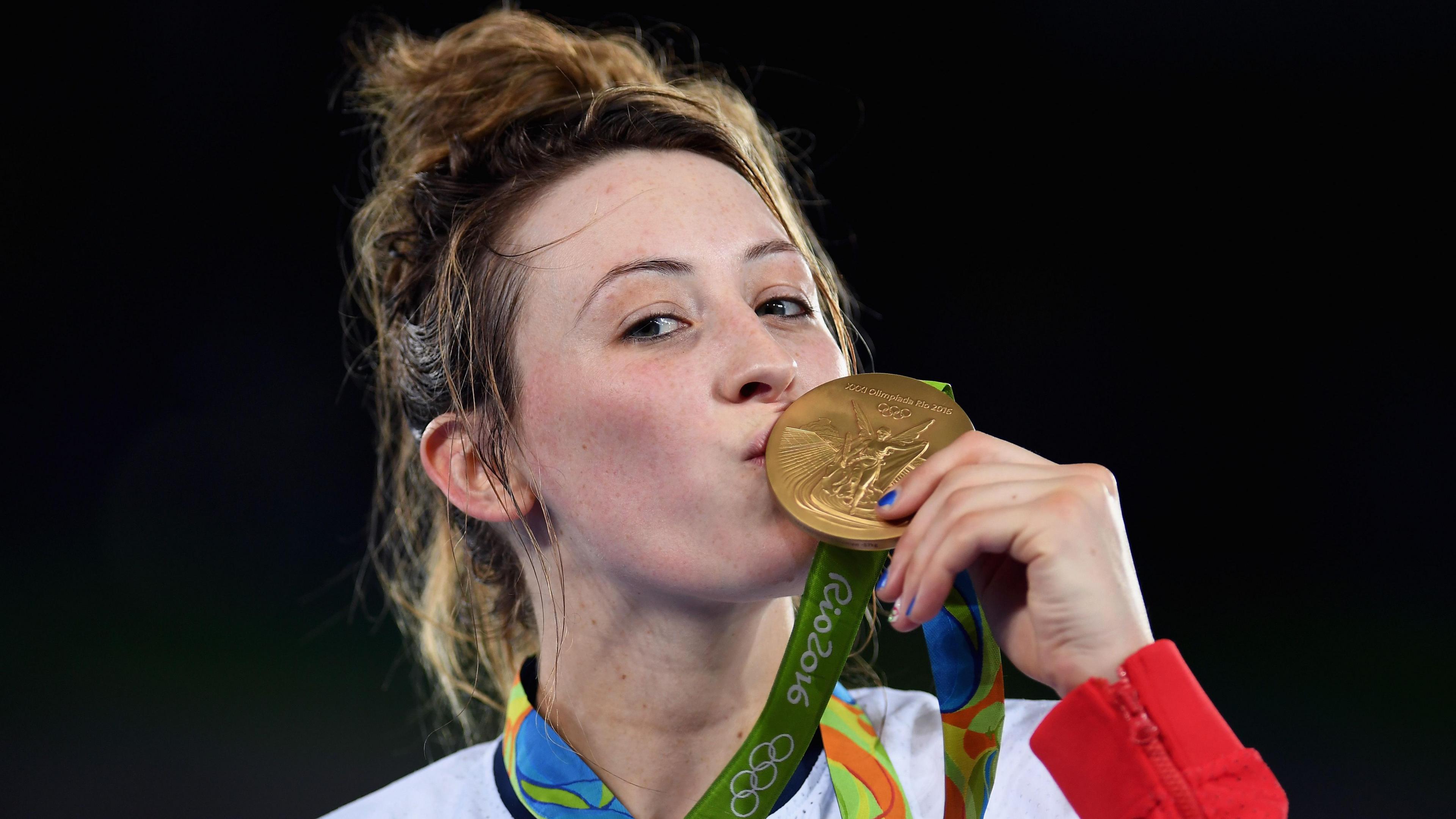
Jade Jones stood in the ring in Derby last March, fists raised, waiting for the opening bell. The two-time Olympic taekwondo champion—a teenager when she claimed gold in London 2012, a champion again at Rio 2016—was starting over. She was 33 years old, beginning boxing from scratch, about to face Egypt Criss, a US reality TV star with no professional fighting experience. And then, in the second round, Jones threw a punch so devastating it immediately went viral across the internet.
The knockout was decisive, brutal, unmistakably the work of a world-class athlete. But what made Jones's leap from taekwondo to boxing possible wasn't just physical talent. It was understanding herself in a way she never had before.
Jones, from Flint, Wales, was diagnosed with ADHD after the Tokyo Olympics, a revelation that reframed her entire life. She had always struggled in ways she couldn't articulate—challenges that seemed obvious in hindsight but left her isolated at the time. The diagnosis came partly as relief, partly as exasperation. "When I got diagnosed everybody was like 'of course!' – and I said they could have told me!" she recalls. But rather than dwelling on lost time, Jones saw something unexpected: her neurodivergence wasn't a barrier to her success—it had been essential to it.
The ability to hyper-focus, to narrow her attention to a single pursuit with unwavering intensity, had made her a two-time Olympic champion. That same quality, she realized, could fuel a new challenge. "If I didn't have ADHD I genuinely don't think I would have succeeded in everything I've done so far," Jones says. "So it is like a superpower."
After stepping back from taekwondo at the top—following early exits at both the Tokyo and Paris Games—Jones faced a peculiar anxiety. Her entire adult life had been defined by one sport. She had been "all in" for decades, unable to imagine herself doing anything else. Boxing became more than a career pivot; it became a lifeline, a structured challenge that allowed her to channel the same intense focus that had driven her Olympic dominance while learning to manage her newfound self-awareness.
Training at Liverpool's legendary 4 Corners Gym under former professional boxer Stephen Smith, Jones brought the discipline and hunger of an elite Olympian into a sport where she was a beginner. That March debut, watched by thousands, proved something crucial: she wasn't out of place. In fact, she belonged there.
Her next fight comes on 13 June against Argentine influencer Federikita on a Misfits Boxing card that also features Tommy Fury and strongman Eddie Hall—a far cry from Olympic rings, but a stage of its own. Jones has spoken openly about wanting to reach the top in boxing too. Yet she's also learning a harder lesson: the difference between driving toward success and being consumed by the pressure of it.
"Since the day I won my first Olympics, I've had pressure on me and it's never been the same since," she says. "You're never that young, underdog kid again." This time, she's trying to be different. She came into boxing wanting a new challenge, wanting to enjoy the journey, wanting to see where it goes. The ADHD diagnosis that once felt like a late-arriving explanation is now becoming something rarer: permission to compete on her own terms.