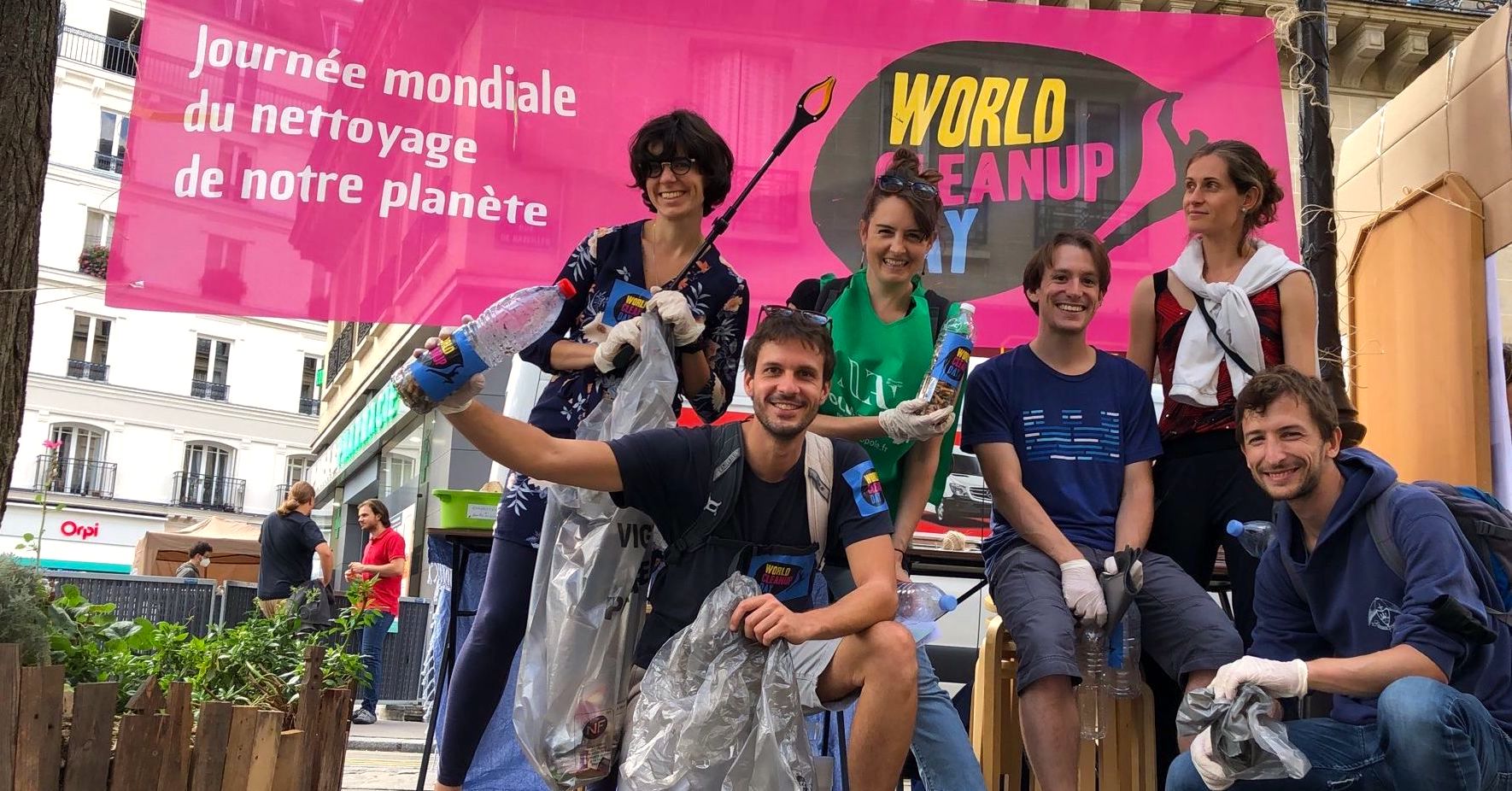
On a quiet beach in Brittany, 12-year-old Léa Dupont bends down with gloves and a reusable bag, pulling a waterlogged plastic crate from the sand—just one piece of the 7,236 tonnes of waste removed by everyday people across France since 2018. She’s part of a growing wave of citizens answering the call of World Cleanup Day – France, a movement turning concern for the planet into tangible action, one cleanup at a time. Every September 20, and throughout that week, thousands gather in parks, riversides, forests, and urban streets, not for protest, but for purpose: to reclaim their environment from the grip of illegal dumping and careless littering. What began as a global idea has taken deep root in France, where more than 31,000 organized cleanups have mobilized an average of 174,250 participants each year—an army of ordinary people doing extraordinary good.
The power of this movement lies not just in the volume of waste removed, but in its accessibility. Anyone can lead a cleanup. From schools in Lyon to town halls in Toulouse and corporate teams in Lille, World Cleanup Day – France provides toolkits, safety guides, and even 30-minute coaching sessions tailored for individuals, municipalities, and businesses. A step-by-step tutorial video walks first-timers through every detail, from waste sorting to media outreach, making it easy to go from idea to impact. And with events mapped online, joining a local effort—or starting your own—is just a click away.
The numbers tell a story of collective will: 7,236 tonnes is the equivalent of nearly 500 blue whales’ worth of trash pulled from nature. These aren’t just statistics—they represent cleaner rivers, safer wildlife habitats, and communities reclaiming public spaces. The movement also nurtures long-term change, with educational workshops in schools and cultural events helping shift attitudes about consumption and responsibility. Volunteers often return year after year, many becoming official ambassadors who champion the cause in their regions.
Behind the scenes, donations fuel the movement’s reach, funding outreach, equipment, and educational programs that inspire the next generation of environmental stewards. But the real engine is human connection—the shared pride in a cleaner street, the laughter among neighbors filling bags, the quiet satisfaction of a job done for the common good.
As September 20 approaches each year, the countdown clock ticks not toward spectacle, but solidarity. From a single plastic bottle in a village square to industrial debris hauled from a riverbank, every piece removed is a vote for a better world. And with each cleanup, France proves that when people come together, even the most scattered problems can be gathered—and solved.