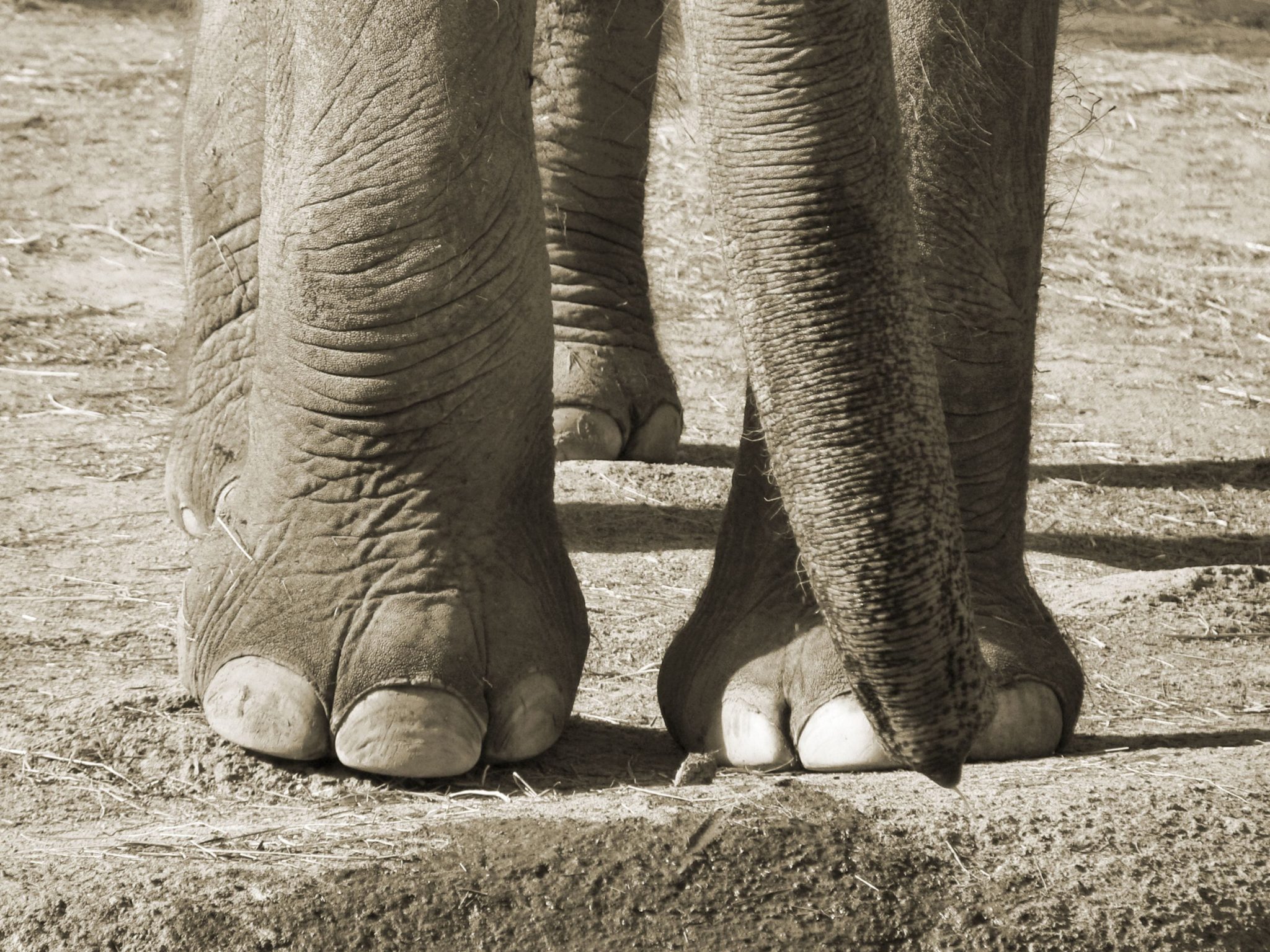
After forty-plus years in captivity, Julie and Kariba are about to walk into grass that has been waiting for them—a 70-acre sanctuary in Portugal's Alentejo region, 124 miles east of Lisbon, where no paying visitors will watch their every move.
Julie arrived at the Cardinali circus in 1988, caught wild from an African savanna and sold first to a German zoo before the family acquired her. Kariba has lived alone in a Belgian zoo for years, a life that would break most creatures. Both are African elephants in their forties, and both are now getting what Kate Moore, managing director of the charity Pangea, calls "autonomy"—the chance to roam freely, bathe, and move in compatible groups without performing, without isolation, without the weight of human expectation.
The numbers make the case bluntly. African female elephants in captivity live an average of 17 years. In the wild, they live 56. That 39-year gap isn't an abstraction; it's the difference between a life cut short and a life fully lived. The first-year mortality rate for captive-born Asian elephants in North America and the EU hovers around 30 percent, while wild African elephants lose 10 to 15 percent. Across Europe, approximately 600 elephants remain in captivity. Thirty-six live in solitary confinement. Around 40 still perform in circuses. Many, like Julie and Kariba, arrived during the 1980s.
Portugal banned wild animals in circuses, with the law coming into full effect in 2025. Julie became the last animal rehomed under that legislation, following a voluntary agreement between Pangea and the Cardinali family. "This has not been an easy decision, as she has been a deeply loved member of our family for decades," said Vítor Hugo Cardinali, the circus director. But he understood what was right for Julie.
What Pangea's work reveals is a pattern that traps well-meaning countries: laws are passed, but no infrastructure exists to absorb the animals being freed. Zoos and circuses reach a breaking point where keeping elephants becomes impossible, but without sanctuaries, legislation alone cannot help them. Moore's approach challenges this directly, working in partnership with owners to find solutions instead of leaving them with nowhere to turn.
The sanctuary itself is already remarkable. Built on a former cattle ranch that conservation workers have been restoring for a decade, it represents Europe's first large-scale elephant sanctuary. It starts at 70 acres and has plans to expand to around 1,000 acres as fundraising continues—enough eventually to support 20 to 30 elephants. Moore and her team are using rewilding principles, and they expect Julie and Kariba to do more than simply inhabit the land. "We know elephants can normally strengthen the ecosystems if we get the stocking density of the elephants right," Moore said. The sanctuary sits in a region where straight-tusked elephants once roamed 40,000 years ago. Now, living elephants will reshape the land they walk on, their presence itself an act of ecological restoration.
What happens next won't be filmed, packaged, or sold. It will simply be Julie and Kariba, finally, being themselves.