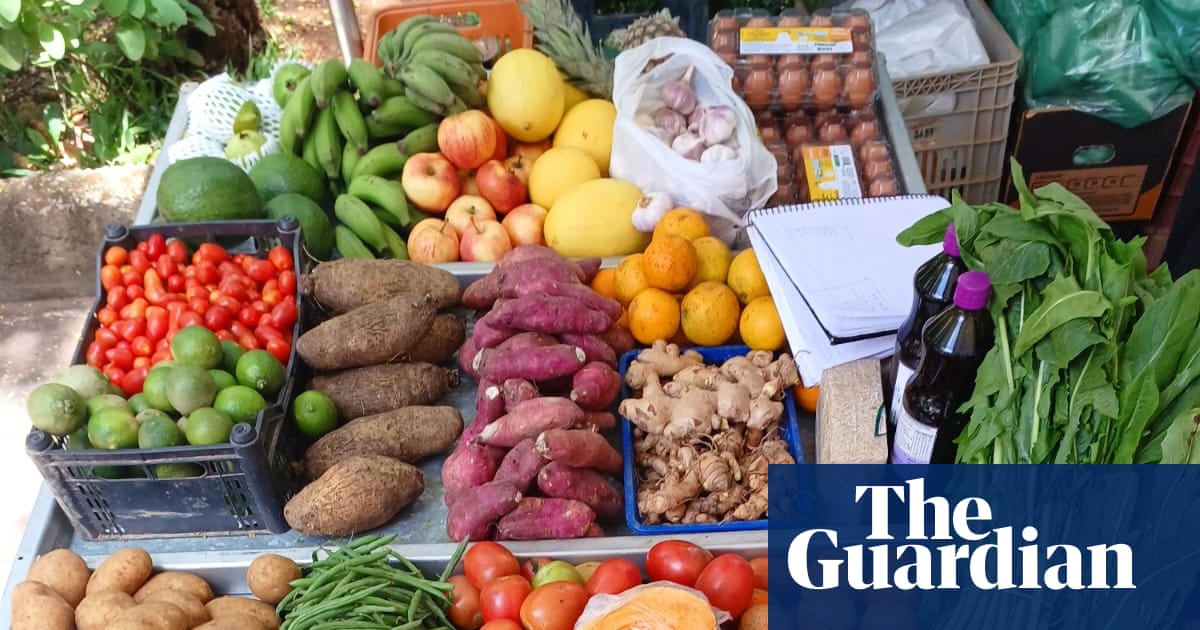
Every month, hospital staff from São Paulo's busiest medical centers step away from their rounds to visit food fairs where farmers from more than 50 local farms lay out their produce—organic vegetables, homemade bread, and artisanal foods made from plants unique to Brazil's rainforests. What began in October 2023 as a modest connection between kitchens and fields has become something far more radical: a coordinated effort to purge ultra-processed foods (UPFs) from hospital menus across São Paulo state.
The stakes are substantial. A 2019 study estimated that ultra-processed foods cause 57,000 premature deaths in Brazil every year—a toll that epidemiologist Ana Duran of the University of Campinas finds unconscionable. "We're using our money from the national health system to buy ultra-processed foods," she says. "It shouldn't be something that we accept." Yet hospitals have drifted toward UPFs in recent decades despite mounting evidence of their harm, making the shift back to fresh, local food a logistical puzzle with no simple answer.
Weruska Davi Barrios, a hospital nutrition specialist at the University of São Paulo who initiated the project, describes who shows up to these fairs: not just cooks and nutritionists, but nurses and doctors—the full constellation of people who shape what patients eat. At each event, hospital staff sample and negotiate orders for vegetables, fruits, herbs, spices, and foods crafted from lesser-known plant species that farmers have rescued from the degradation of Brazil's ecosystems. It is practical work dressed in the language of restoration.
Transitioning hospital food systems from convenience to freshness demands more than goodwill. Hospitals must build kitchens, install cold storage, establish supply chains, and train staff accustomed to working with ultraprocessed shortcuts. "Change is gradual," Barrios acknowledges, "and as more local foods become part of the purchasing plan, fewer ultra-processed foods will be needed to compose patients' diets." The work is underway but far from complete.
The momentum, however, is building beyond São Paulo. At Rio de Janeiro's Partnership for Healthy Cities conference, health secretary Daniel Soranz announced an eight-year plan to eliminate processed foods entirely from the city's hospitals. Within two years, he pledged, 30 percent of Rio's hospitals will no longer serve ultra-processed meals. A federal bill now moving through Brazil's senate would enshrine this transformation into law, potentially making the country one of the first to implement such a policy at scale.
Brazil has already pioneered one world-leading model with schools. Beginning in 2020, federal and local governments progressively restricted UPFs in school meals. A law introduced last year requires that 45 percent of school funding go toward purchasing food from local farmers. By 2026, ultra-processed foods must comprise no more than 10 percent of any school menu—and in Rio de Janeiro and the state of Ceará, they are already completely banned. At EDI Gabriela Mistral primary school in Rio, meals once built around packaged cookies and ready-made chocolate milk now center on rice, beans, fresh fruit, oatmeal, and bread baked on site daily. The shift, though controversial with some quarters, has demonstrated that systemic change is possible.
If hospitals can replicate what schools have begun, Brazil may chart an unprecedented path: a nation-scale policy that treats food—what people are served during their most vulnerable moments—as a matter of public health, not mere logistics.