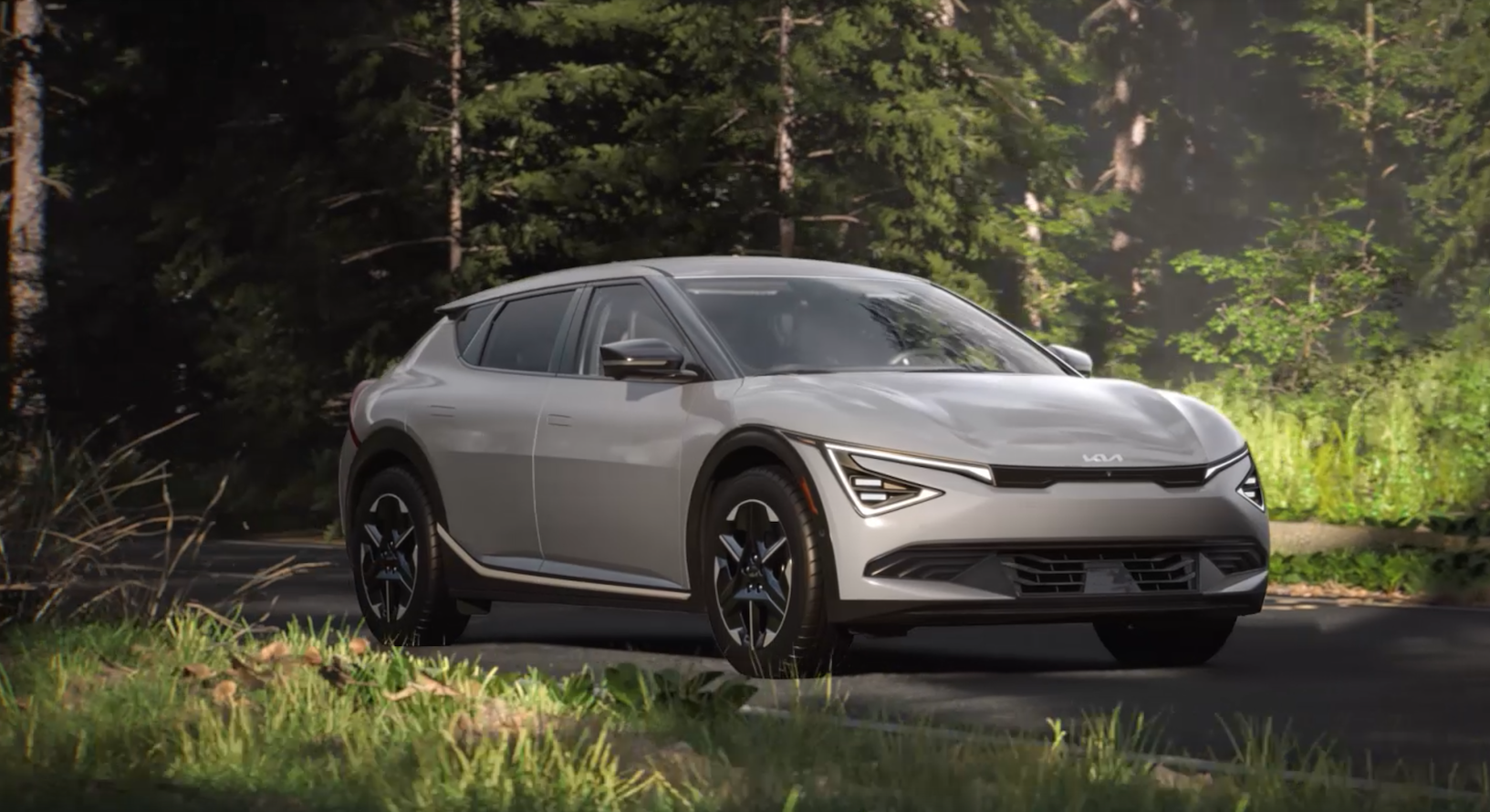
While electric vehicle adoption appears to be stalling across much of the American market, Kia is defying the trend with a remarkable surge in its larger EV models. The company's three-row EV9 nearly quintupled in a single month, jumping from just 37 sales in May 2025 to 1,647 in May 2026—a 43.5% increase that signals real momentum in the premium electric vehicle segment, even as smaller competitors struggle.
The story becomes clearer when you look at the fuller picture of Kia's EV strategy. Over the first five months of 2026, the EV9 has delivered genuine growth, climbing 29% year over year to reach 5,726 units compared to 4,095 in the same period last year. This expansion matters because it shows consumers are willing to invest in electric vehicles when the value proposition is right—particularly for families seeking the space and practicality of a three-row SUV.
The EV6, Kia's compact crossover, did experience a decline in May 2026, with sales dropping 13% from 801 to 708 units. Over the five-month period, the pressure was more substantial, with sales falling 33% to 3,459 units from 5,195 the previous year. But here's where the narrative pivots: Kia responded decisively to market conditions by cutting the EV6's price by $5,000 to $5,900 depending on trim level. This aggressive pricing move arrives at a pivotal moment for the electric vehicle market, suggesting the company sees opportunity rather than retreat in the months ahead.
The price reduction fundamentally reshapes the EV6's competitive position. That cut brings the vehicle into a more accessible price band for cost-conscious buyers and removes a barrier that may have been suppressing demand. Industry observers expect this adjustment to reverse the EV6's downward trajectory, potentially rekindling sales momentum in the second half of 2026 and perhaps allowing it to compete more directly with vehicles like Hyundai's IONIQ 5, which has maintained stronger market traction.
What makes Kia's moment particularly significant is that it flies in the face of broader headlines about EV market slowdowns. The company, alongside its corporate cousin Hyundai, appears to have genuinely "didn't get the memo" about supposed EV sales weakness in America. Instead of pulling back, Kia is investing in product expansion and using price strategy as a tactical tool—moves that suggest confidence in both near-term and long-term electric vehicle demand.
The convergence of strong EV9 growth and strategic EV6 pricing creates an interesting test case for the U.S. EV market in 2026. If the price cut generates the expected sales rebound, it will demonstrate that consumer demand for electric vehicles remains robust when pricing aligns with value perception. Kia's performance over the coming months will offer crucial insight into whether recent market headlines reflect a genuine shift in American EV adoption or simply a recalibration around vehicle pricing and type. For now, the brand is betting on the latter—and the data suggests that bet might be paying off.