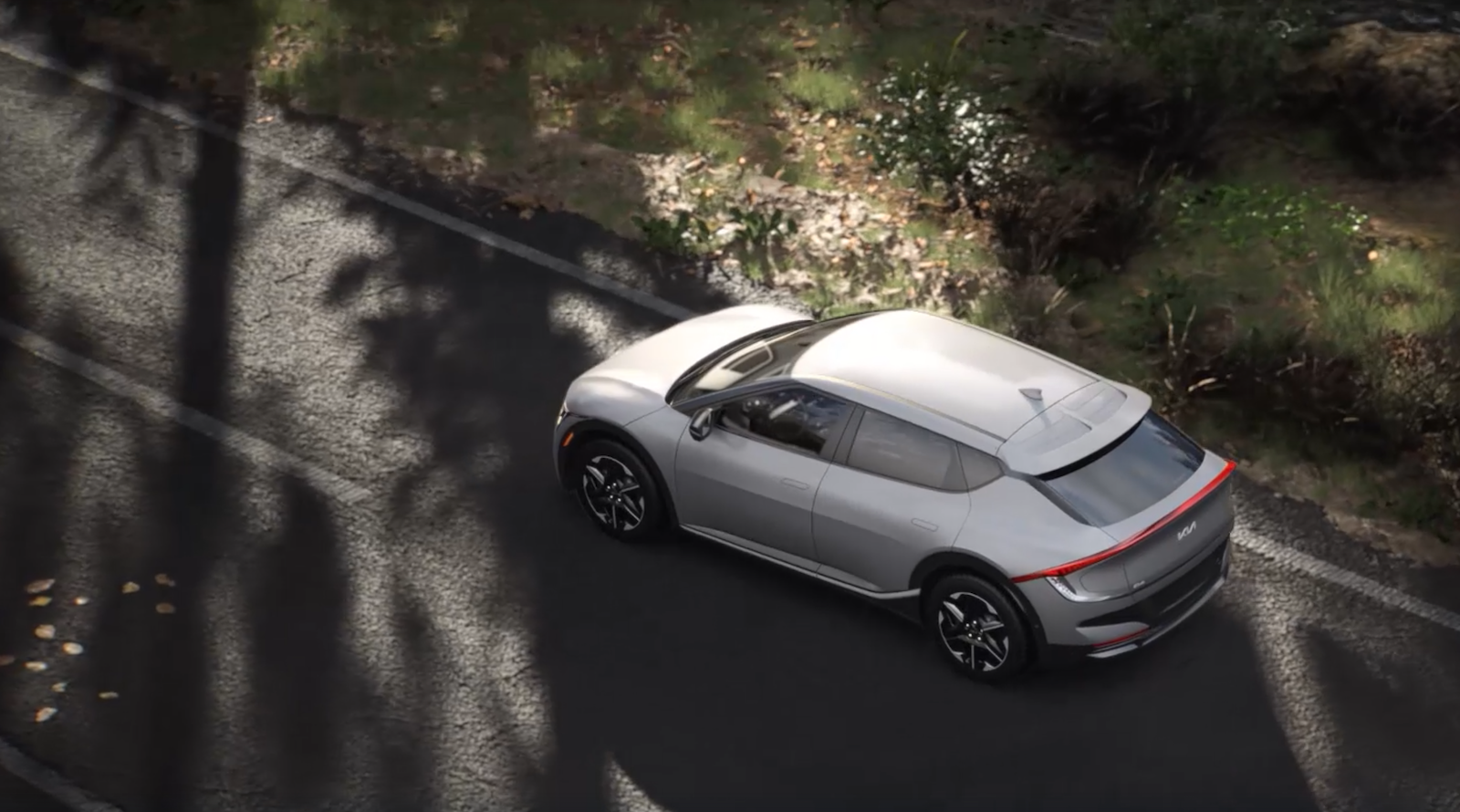
Kia just made the EV6 a far more compelling proposition for everyday buyers—slashing the base price from $42,900 to $37,900 for the 2026 model year. That $5,000 drop, along with similar cuts across the lineup, signals a watershed moment: the company is willing to accept lower margins to get its award-winning electric vehicle into far more driveways.
The price reductions matter because affordability remains the single biggest barrier to EV adoption. A $37,900 entry point brings the EV6 within reach of millions of families who might otherwise assume electric vehicles exist only as luxury goods. This is particularly significant given the EV6's track record. Car & Driver gave it a 9.5 out of 10 rating—higher than the Tesla Model Y's 9.0, the Ford Mustang Mach-E's 8.5, and the Volkswagen ID.4's 8.5. That kind of critical validation, paired with a sub-$38,000 price tag, creates genuine momentum.
The cuts extend across all trims. The Light Long Range RWD drops from $46,200 to $41,200. The Wind RWD falls from $50,300 to $44,800. The Light Long Range AWD shifts from $50,300 to $45,200. The GT-Line RWD moves from $54,200 to $48,700, while its AWD sibling goes from $58,900 to $53,000. The Wind AWD trim slides from $54,300 to $48,800. Most trims see a $5,000 to $5,500 reduction, with one trim receiving a $5,900 cut—a meaningful gesture across the board.
Why the dramatic pivot? Sales haven't kept pace with the EV6's quality, and pricing was likely the culprit. Kia has clearly decided that volume matters more than per-unit margin right now—a strategic bet that lower prices will drive adoption and build brand loyalty in the crucial years ahead as the industry transitions away from combustion engines. The timing also reflects broader market dynamics: competition is intensifying, consumer confidence in electric vehicles is growing, and manufacturers are racing to capture early mainstream adopters before the market solidifies.
The significance goes beyond Kia's books. Every price cut in the EV market is a public vote of confidence that electric vehicles are no longer niche products. When a major automaker like Kia deliberately sacrifices profit margin on a quality vehicle, it sends a signal: we believe in this technology, we believe in you as a customer, and we're committed to making the transition affordable. That psychological shift matters as much as the actual dollars saved at the pump or charging station.
The real test arrives in coming quarters. Sales figures will reveal whether the lower price point opens the EV6 to the mass-market buyers it needs to thrive, or whether other factors—brand awareness, charging infrastructure concerns, range anxiety—remain obstacles. But Kia has just removed one major excuse from the conversation. At $37,900 for a vehicle praised as thoughtfully designed and genuinely competitive with pricier alternatives, the EV6 has entered genuinely interesting territory for ordinary car shoppers deciding between familiar gas engines and the electric future.