When the Commonwealth Games needed a home in a hurry, Glasgow said yes.
Scotland's biggest city stepped in less than two years ago after Victoria, Australia dropped out as host. Now the doors are open, the athletes are arriving, and on Thursday night, Glasgow welcomed the world with a ceremony that mixed tradition, humor, and more than a few surprises.
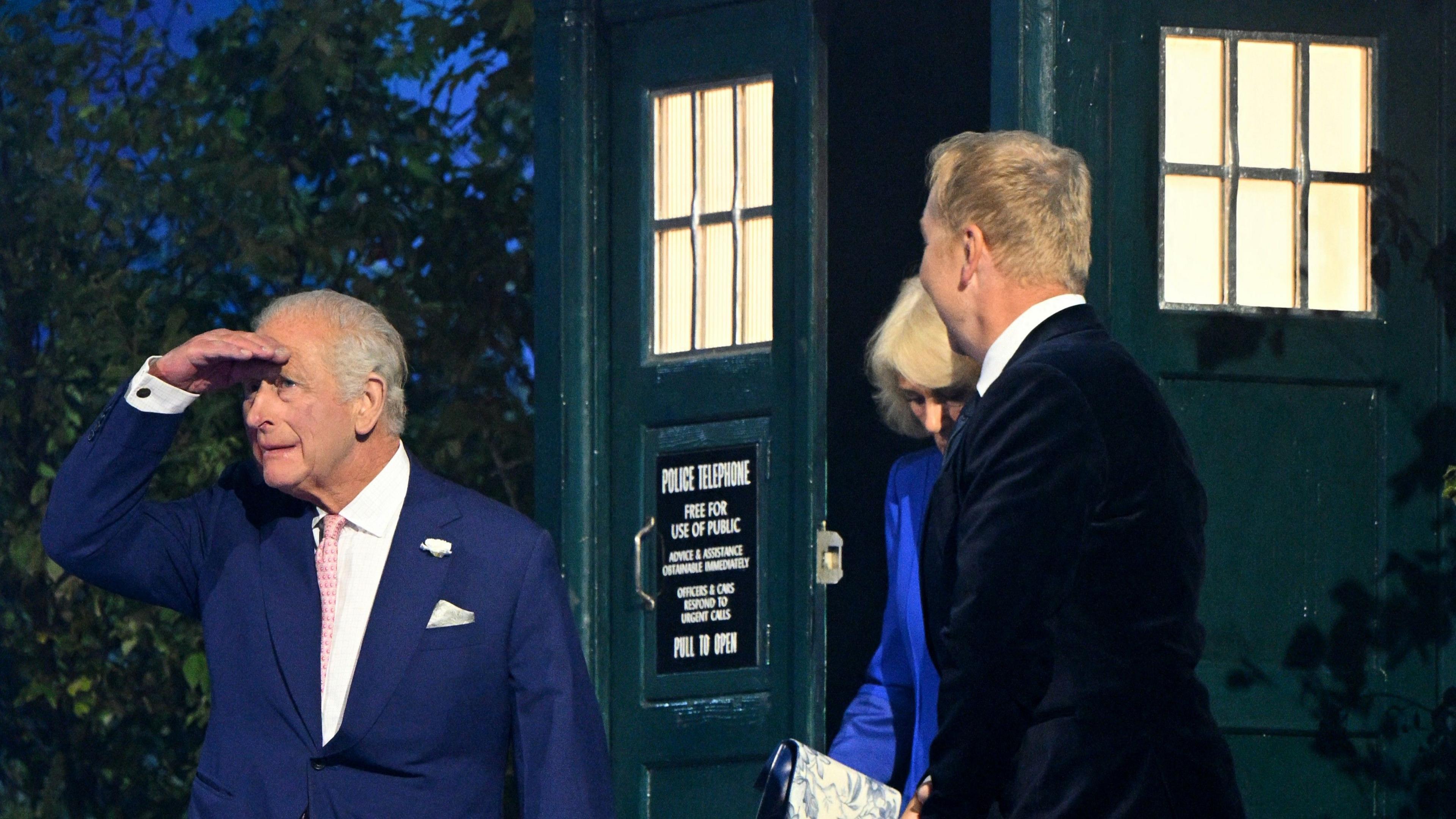
The King arrived the way only a British monarch can — stepping out of a Tardis, the blue police box from the long-running TV show Doctor Who. King Charles III's entrance drew one of the biggest cheers of the evening at the Hydro arena, where about 10,000 people gathered for a far smaller and more intimate ceremony than Glasgow's last time hosting in 2014, when 40,000 spectators filled Celtic Park.
"When the future of these Games was uncertain, Glasgow didn't ask: 'Can we?'" said George Black, chair of Glasgow 2026. "We asked: 'When do we get started?'" The Scottish teams entered last, some wearing kilts, and had the crowd on their feet. Earlier, the Samoa team performed a haka — a traditional Maori war dance — in front of the dignitaries.
Scottish singer KT Tunstall belted out "No Scotland No Party" while the athletes danced in their seats. Nathan Evans performed under a giant replica of Glasgow Central Station's famous clock, where locals have long said "Meet me under the clock." Nina Nesbitt sang the Proclaimers' hit "I'm Gonna Be (500 Miles)" as the King's Baton arrived in the arena.
In his speech, King Charles stressed the importance of keeping plastic out of oceans and waterways. "As we share our love of sport and our planet, let us build a harmonious future for our families and each other," he said.
The sporting action runs for the next 10 days, with medals first handed out Friday in para-powerlifting. The Games wrap up Sunday, August 2, back at the Hydro.
With eight fewer sports than 2014 due to the rushed timeline, some venues from the last Glasgow Games have been reimagined. But Commonwealth Sport president Donald Rukare, wearing a tartan kilt in the colors of his home country Uganda, said Glasgow proved something important: a city that believes the Commonwealth Games matter — and that the world deserves to experience them.