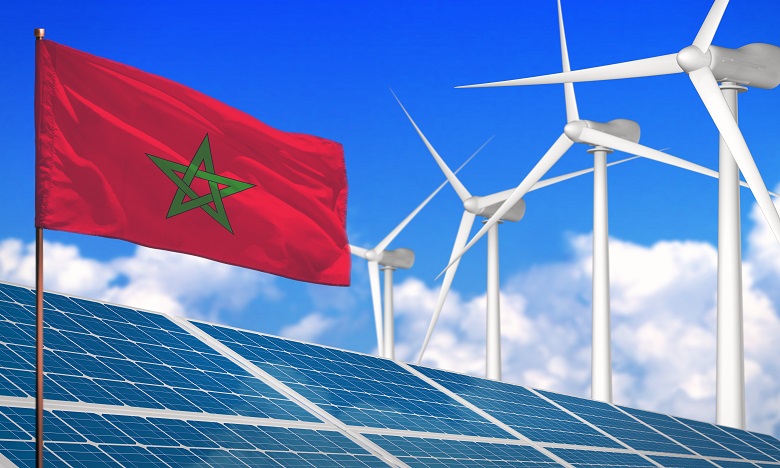
Deep in the Moroccan desert, where the sun beats down with almost supernatural intensity, one of the biggest solar power plants on Earth is hard at work. The Noor Ouarzazate Solar Complex spreads across thousands of acres, its mirrors catching light and turning it into electricity for thousands of homes. It is one symbol of a country that has quietly become a renewable energy powerhouse.
Under the leadership of King Mohammed VI, Morocco has spent the last two decades remaking its energy system. Once heavily reliant on imported fossil fuels, the kingdom now generates 47 percent of its electricity from renewable sources like solar and wind. By 2030, that number is expected to climb past 52 percent.
The transformation did not happen by accident. The Noor Ouarzazate complex is just one flagship project. Wind farms now dot several regions of the country, and the kingdom has built the infrastructure to share its clean energy across continents. Morocco is the only African country physically connected to the European electricity network, linked to Spain through two undersea cables crossing the Strait of Gibraltar. A third connection is planned, which would boost transmission capacity to 1,500 megawatts. Separate links with Portugal and France are also in the works.
These connections position Morocco as a bridge between Africa and Europe, a role the king has actively promoted. In April 2026, the World Bank showed its confidence in this vision by approving a $500 million financing package to support Morocco's green transition, focusing on renewable energy, energy efficiency, and private business investment.
The momentum continues to build. The European Union's Global Gateway program is expected to bring roughly €5.5 billion in investments to Morocco's clean energy sector. In May 2026, Morocco and Norway signed an agreement that could support around 2 gigawatts of renewable energy and storage capacity, opening the door to even more foreign investment.
But Morocco's ambitions extend beyond electricity. The African Atlantic Gas Pipeline, a massive infrastructure project first discussed between King Mohammed VI and former Nigerian President Muhammadu Buhari in 2016, took a major step forward last week when ECOWAS member states signed an intergovernmental agreement endorsing the plan. The pipeline, estimated to cost $25 billion, would stretch nearly 6,900 kilometers along Africa's Atlantic coast, passing through more than a dozen West African countries before reaching Morocco. It would transport up to 30 billion cubic meters of gas annually, supporting electricity generation and industrialization across the region and eventually serving European markets.
The deal clears the way for creating a joint company to manage the project, secure financing, and set up a multinational regulatory framework. Viewed as one of Africa's most ambitious infrastructure undertakings, the pipeline reinforces Morocco's growing role as a continental energy hub.
From solar fields in the desert to subsea cables beneath the Mediterranean, Morocco is proving that a country in the developing world can lead on clean energy. With bold leadership and international backing, it is building a future where power flows freely across borders and continents.