Linda Knicely, a 62-year-old participant in a Berlin-led trial, walked into the clinic with a pronounced limp, her right knee worn down by years of osteoarthritis. Twelve months later, she climbs stairs without hesitation, plays with her grandchildren, and sleeps through the night—something she hadn’t done in nearly a decade. Her transformation wasn’t sparked by surgery or a new pill, but by a minimally invasive procedure called genicular artery embolization (GAE), now offering lasting relief to patients like her across the globe.
For the 365 million adults worldwide living with knee osteoarthritis—one of the leading causes of disability—treatment options have long been limited. Many fall into a gap between temporary steroid injections and total joint replacement, the latter often delayed or ruled out due to age, health risks, or personal choice. That’s where GAE steps in. Led by Dr. Florian Fleckenstein at a research hub in Berlin, a groundbreaking study has shown that blocking abnormal blood vessels around the knee with tiny, rapidly dissolving gelatin microspheres can dramatically reduce pain and improve function for at least a year.
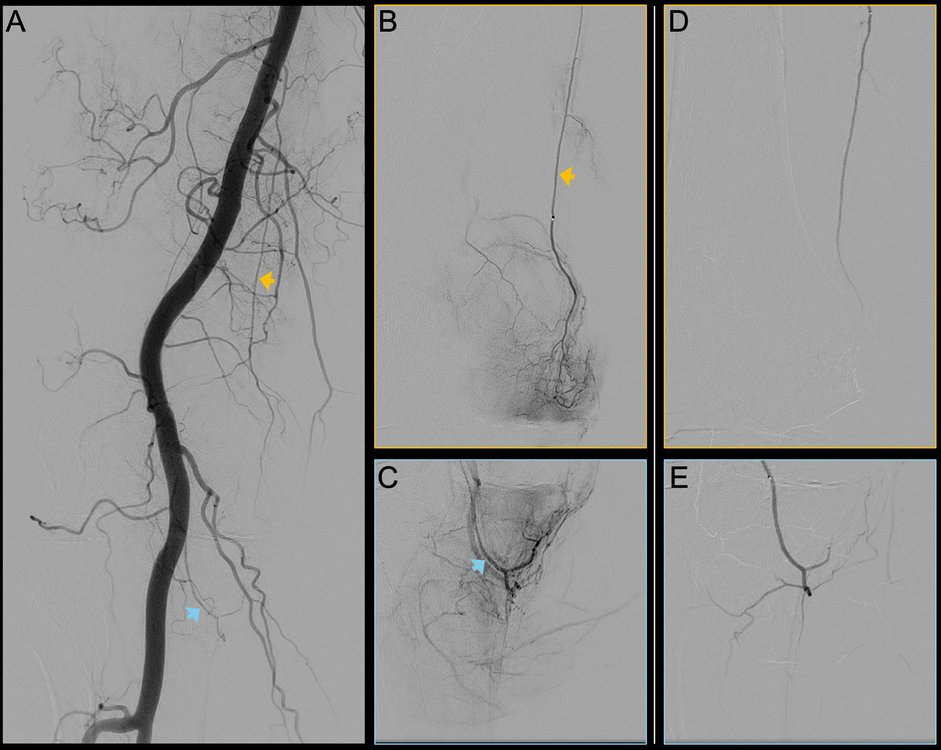
The trial included 194 patients—114 women and 80 men, average age 69—all of whom had failed at least three months of standard treatments. Each underwent GAE, a procedure in which a radiologist threads a catheter to the inflamed vessels feeding the arthritic joint and seals them off. In total, 239 procedures were performed, with about 23% of patients receiving treatment in both knees within a four-week window. The results were striking: 80% of participants reported meaningful pain reduction at the 12-month mark, far exceeding the minimum threshold for clinical improvement. Pain scores dropped quickly and kept improving, while mobility, daily function, and quality of life surged.
Critically, the treatment proved safe. No moderate or severe complications occurred, and only 6.7% experienced mild, short-lived side effects. "By reducing both inflammation and pain, GAE with resorbable microspheres may be the first procedure that alters the course of the disease, slowing its progression," said Dr. Fleckenstein, whose study is now the largest real-world dataset on this form of GAE. Unlike permanent embolic agents, the microspheres dissolve within hours, minimizing long-term risks while still delivering durable results.
This isn’t just symptom management—it’s a shift in how we understand and treat osteoarthritis. By targeting the abnormal blood vessel growth that fuels inflammation and nerve pain, GAE resets the joint’s biological environment. As researchers expand access and refine patient selection, this therapy could redefine hope for millions. For patients like Linda, it’s already done so.