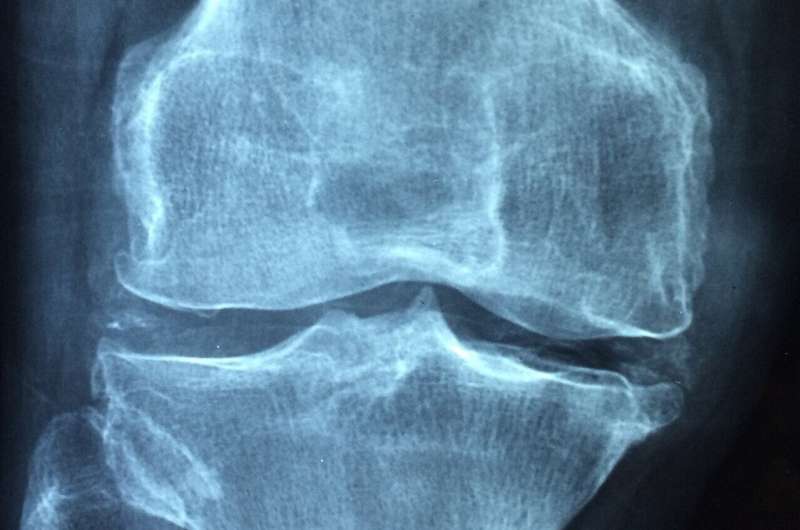
When 68-year-old Margaret Thompson walked into the John Radcliffe Hospital in Oxford for her total knee replacement, she didn’t know whether her kneecap would be resurfaced—only that she wanted to walk pain-free again. Now, two decades later, the data from her surgery and 1,699 others has settled a decades-long debate in orthopedic medicine. The KAT (Knee Arthroplasty Trial), the longest randomized controlled trial in knee surgery history, has found that resurfacing the kneecap during total knee replacement not only slightly improves patient outcomes but also saves money for health systems over time. For the NHS, which performs over 100,000 knee replacements annually, this could mean better care and lower long-term costs.
Total knee replacement is one of the most successful and commonly performed procedures in the UK, yet up to 20% of patients report persistent pain or limited function afterward. Much of that discomfort stems from friction between the natural kneecap and the artificial joint. Resurfacing—the process of replacing the damaged underside of the kneecap with a smooth plastic implant—has been available for years, but its use has been inconsistent. Some surgeons adopt it routinely; others avoid it, fearing complications or unnecessary intervention. The KAT study, led by researchers from the University of Oxford and the University of Aberdeen, sought to end the uncertainty with hard evidence.
Over 20 years, the team followed patients across multiple NHS hospitals, comparing those who had their kneecaps resurfaced with those who did not. While both groups saw strong long-term outcomes, every measure—from pain reduction to mobility and need for revision surgery—tilted slightly in favor of resurfacing. Crucially, the added upfront cost was negligible, and over two decades, the resurfaced group required fewer follow-up procedures, translating into net savings for the health system. The findings, published in The Lancet, show that resurfacing delivers more health benefit per pound spent.
"Although the differences in clinical outcomes were small, nearly every measure consistently favored resurfacing," said Professor David Murray of the University of Oxford, a lead investigator. "Over 20 years, resurfacing the kneecap has provided more health benefits for patients." Associate Professor Helen Dakin added, "Replacing the kneecap produces more health benefits at no extra cost." With the NHS striving for both efficiency and equity, these results could standardize practice across the country, reducing variation and improving patient trust.
For patients like Margaret, now hiking with her grandchildren, the message is clear: a small surgical change can lead to lasting gains. As guidelines evolve, kneecap resurfacing may soon become the new standard—not just in Oxford, but across the UK and beyond.