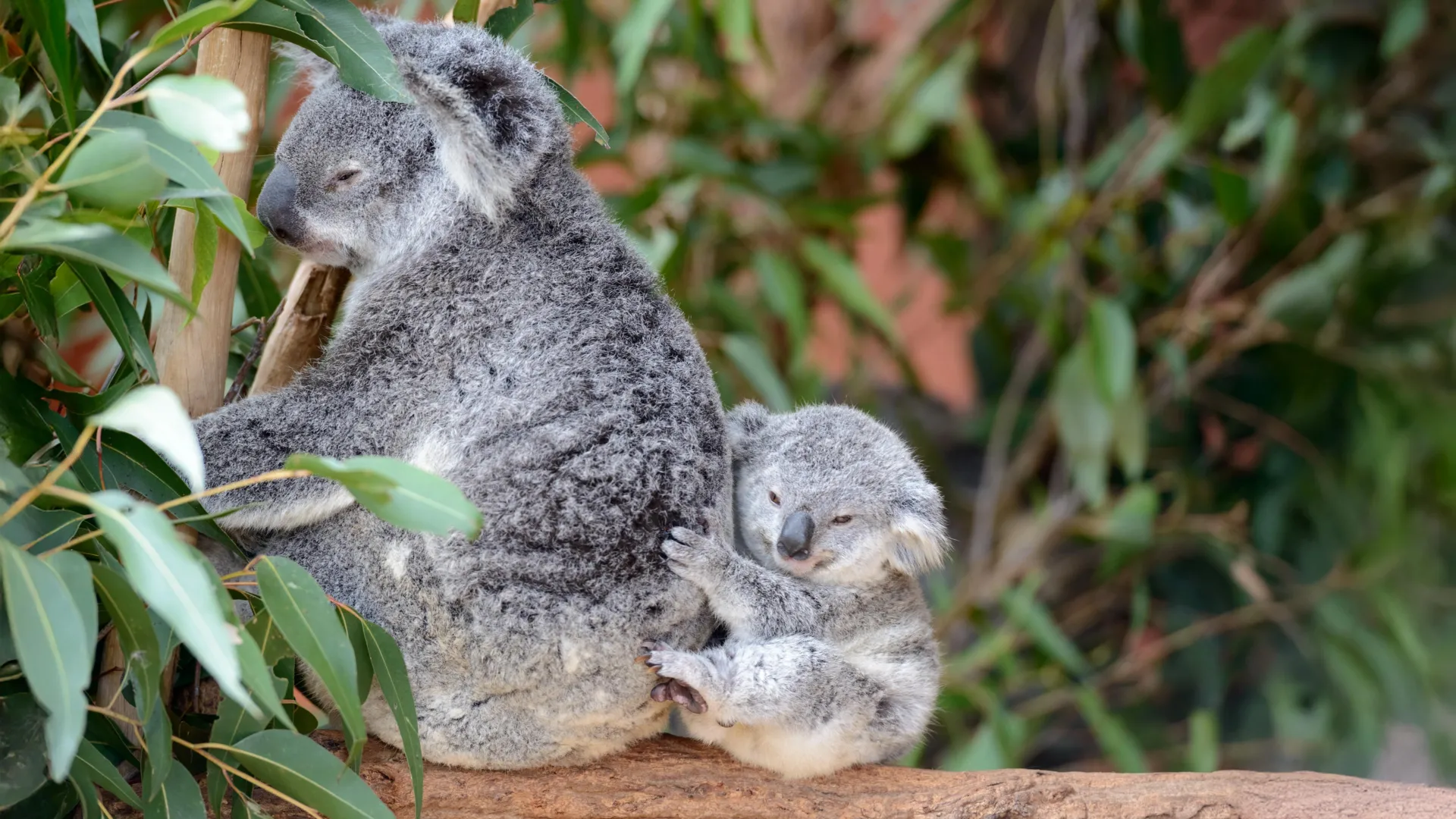
Australia's koalas once faced a terrifying slide toward extinction. Decades ago, their numbers plummeted due to habitat loss, disease, and car strikes. At their lowest point, these beloved marsupials narrowed to just a handful of surviving populations — a genetic bottleneck that threatened to erase the diversity they needed to survive. But now, a groundbreaking genetic study offers surprising hope: koala populations are not just recovering in number, they are slowly healing the genetic damage of that near-collapse.
Collin Ahrens and a team of researchers at the University of Sydney analyzed DNA from 418 koalas across 27 different populations spanning the entire continent. What they found defied the usual grim predictions about species that crash. Despite still carrying the marks of their historical decline — namely lower genetic diversity than they once had — the koalas showed clear signs of genetic recovery already underway in multiple populations.
The reason, according to the study published in ScienceDaily, lies in a process called recombination. When animal populations grow quickly, individual animals have more chances to mix their DNA in new ways when they reproduce. Even though koalas started with very few survivors, their expanding numbers are shuffling existing genetic material into fresh combinations. This genetic reshuffling acts like dealing a new hand from an old deck — the same genes get rearranged, creating variety that natural selection can work with.
This matters enormously for conservation. When a species loses genetic diversity, it becomes more vulnerable to disease, struggles with infertility, and has a harder time adapting to changes like warming temperatures or new predators. Scientists call the worst-case scenario an "extinction vortex" — a downward spiral where shrinking populations cause more genetic damage, which causes more deaths, which shrinks the population further. Koalas were dangerously close to that cliff.
But the new research suggests that rapid population recovery can interrupt that spiral. More animals mean more recombination, which means more functional diversity, which means a healthier, more resilient population. The koalas may never fully return to the genetic richness their ancestors possessed, but they are clawing their way back — not just in body count, but in the very molecular machinery that determines whether a species thrives or vanishes.
For wildlife managers, these findings offer a clear signal: helping species bounce back numerically is not just about cute survival stories. It is about giving evolution a fighting chance to restore what catastrophes stole. Australia's koalas are living proof that the genetic damage of near-extinction does not have to be permanent.