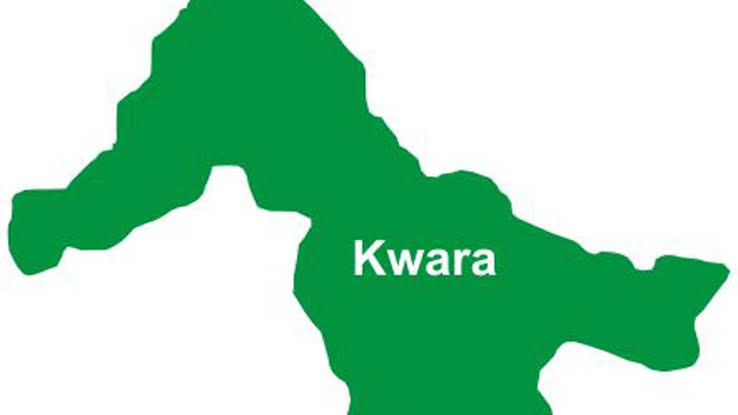
For thousands of eighth-graders in Kwara State, Nigeria, August 1, 2026, will be the day they take a big step toward their future — and they will not have to pay a single coin for the chance.
That is because Governor AbdulRahman AbdulRazaq has approved full sponsorship of the Common Entrance Placement Examination, the test that determines which junior secondary schools students join. The announcement came from the state's Ministry of Education and Human Capital Development, with Press Secretary Peter Amogbonjaye confirming that not a single pupil will be asked to pay any fee to sit the exam.
Commissioner for Education Lawal Olohungbebe described the move as a clear message: every child in Kwara State deserves a fair shot at quality education, no matter what their family earns. He said the governor's approval shows the administration is serious about removing the money obstacles that often keep poor families from giving their children this opportunity.
The exam will take place on Saturday, August 1, 2026, at 8:00 a.m. It will be held at the same time in accredited centers across all 16 local government areas of the state, from Ilorin in the south to rural communities in the north. That means students in remote villages will have the same testing centers as students in the capital city.
Olohungbebe also issued a stern warning to school leaders. He told headteachers, principals, and exam officials that collecting any unofficial fees from pupils or parents will not be tolerated. Anyone caught doing so will face disciplinary action under the law. The commissioner added that candidates and schools must also avoid cheating of any kind, reaffirming that the government wants a clean, transparent process where only merit decides placement.
The Ministry is now urging parents and guardians to make sure their children are properly registered and ready for the big day. With full sponsorship in place, the only thing standing between a student and their exam seat is preparation.
This decision puts Kwara State in a small group of Nigerian states taking direct financial responsibility for basic education access. For students who might have stayed home because their families could not afford the exam fee, August 1, 2026, could become a turning point.