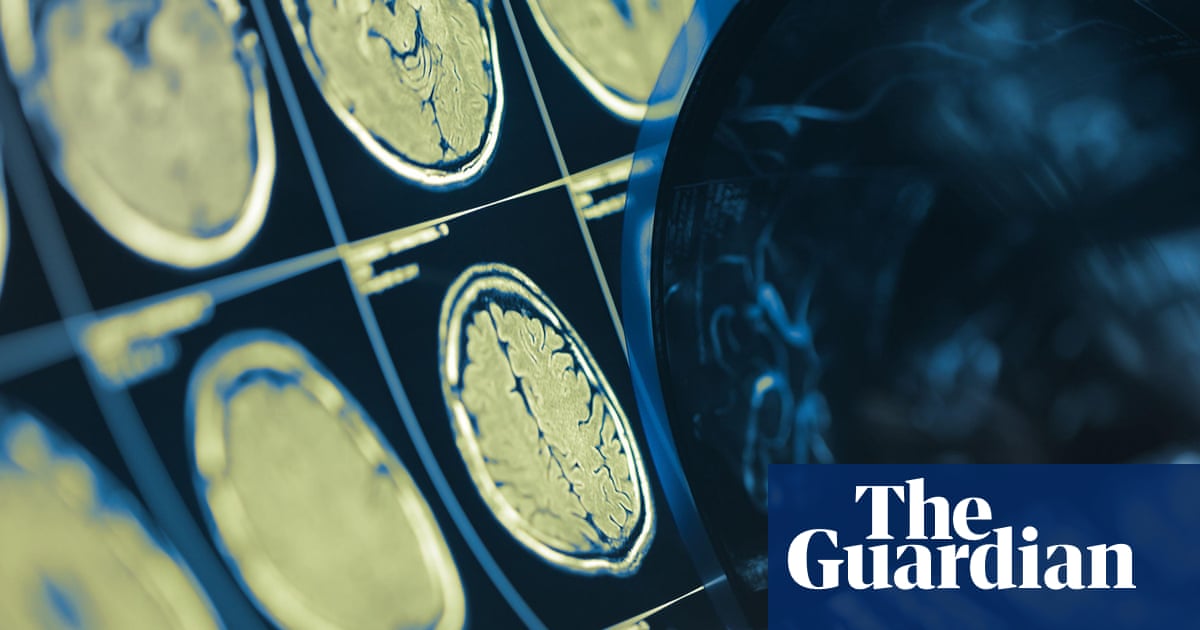
Every year, 35,000 people in the UK experience a type of stroke that doctors have been treating based on a faulty assumption. Researchers at the University of Edinburgh have now discovered that lacunar strokes—which account for a quarter of all UK strokes—aren't caused by fatty blockages clogging arteries, but rather by the enlargement and widening of the brain's tiniest blood vessels. The finding overturns decades of conventional thinking and explains why the medications doctors have been prescribing to prevent these strokes have fallen short.
Lacunar strokes have long been suspected to result from the same fatty buildup that causes other types of stroke, leading physicians to rely on blood thinners like aspirin as standard prevention. But this new research suggests that approach has been fighting the wrong battle entirely. When widened small arteries trigger a lacunar stroke, blood-thinning drugs designed to prevent clots in larger blocked vessels become far less effective. Understanding the true mechanism opens a door to developing treatments that actually address what's happening inside the brain.
The study, led by Professor Joanna Wardlaw at the University of Edinburgh and the UK Dementia Research Institute, examined 229 patients who had experienced either a lacunar or mild non-lacunar stroke. The evidence was compelling: patients showing widened arteries were over four times more likely to suffer a lacunar stroke. The narrowing of large arteries, by contrast, showed up more commonly in other stroke types. This distinction matters profoundly for how doctors approach prevention and treatment going forward.
"This study provides strong evidence that lacunar stroke is not caused by fatty blockage of larger arteries, but by disease of the small vessels within the brain itself," Wardlaw explained. "Recognising this distinction is crucial, because it explains why conventional treatments like anti-platelet drugs are not as effective for this type of stroke and highlights the urgent need to develop new therapies that target the underlying microvascular damage."
The implications extend beyond individual patients. Maeva May, director of policy for the Stroke Association, emphasized that the findings highlight a deeper problem: stroke research remains chronically underfunded in the UK, receiving less than 1% of total research funding despite being the leading cause of complex adult disability and the fourth leading cause of death. Each day, 240 people survive a stroke in the UK, yet breakthrough discoveries struggle to translate into new treatments without sustained investment.
This research represents the kind of foundational shift that can reshape clinical practice. By correctly identifying the root cause of lacunar stroke, scientists create a blueprint for developing targeted therapies. Rather than applying one-size-fits-all solutions, future treatments can be designed specifically to protect small blood vessels and prevent their damaging enlargement. For the thousands affected each year, that distinction could mean the difference between recovery and disability.
The findings underscore an urgent need: stroke research must become a genuine national priority, with clear pathways for moving discoveries from laboratory benches to hospital bedsides. The next chapter in treating lacunar stroke has begun—not with new drugs yet, but with the hard-won clarity about what's actually going wrong.