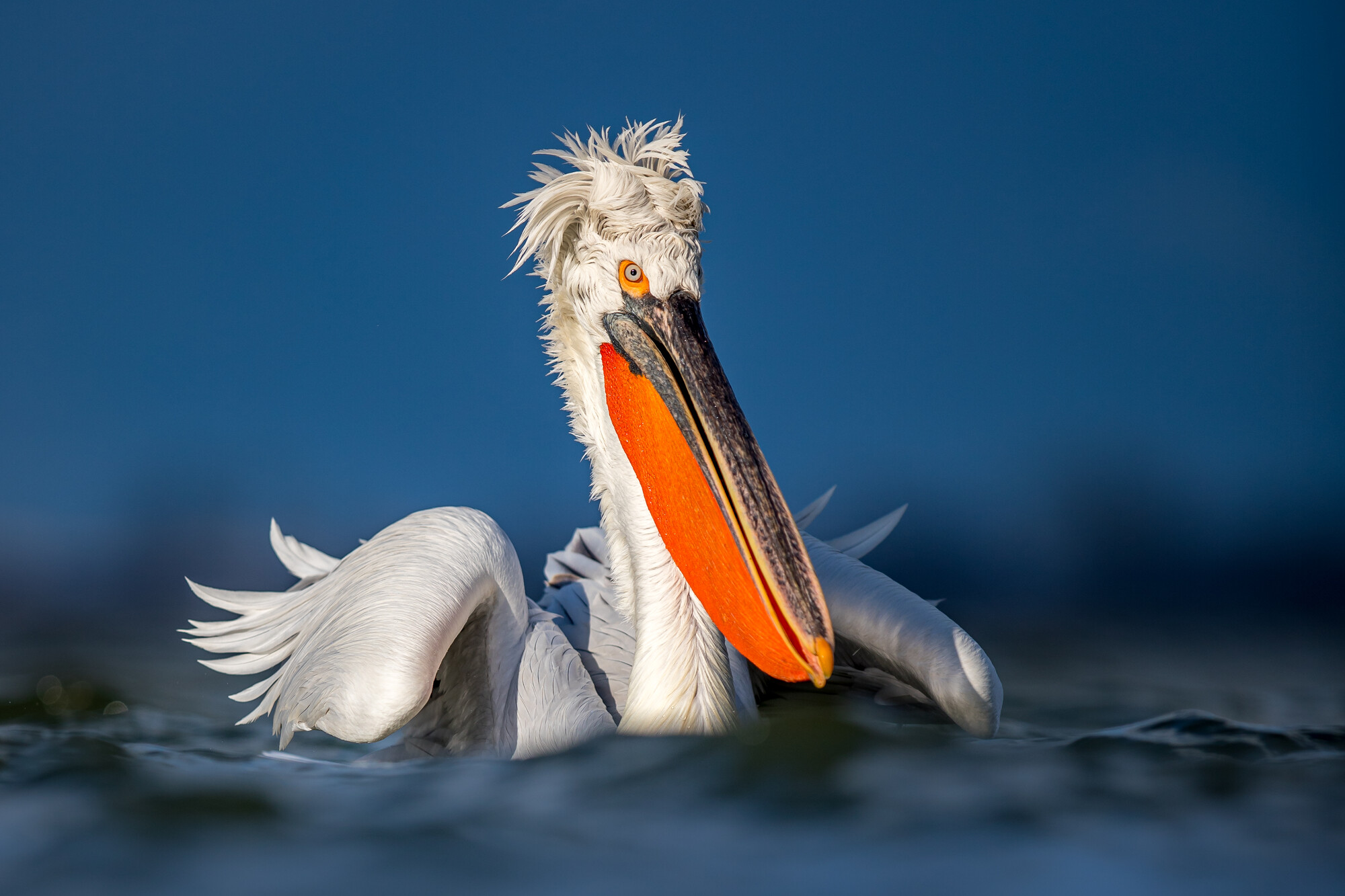
At Lake Skadar on the border between Montenegro and Albania, a small bird with a dramatic orange pouch has made an astonishing comeback. Twenty years ago, the Dalmatian pelican was struggling. Today, the park's pelican population has climbed to 306 birds — the highest number since scientists started keeping track, up from around 250 the year before. It's a story that conservationists point to as proof that when we protect nature, nature bounces back.
Lake Skadar is the largest lake in the Balkans, stretching across more than 40,000 hectares — roughly the size of a small city, with about 80 percent of that area covered in wetlands. The lake sits just a short drive from Montenegro's Adriatic coast and is so rich with fish, reeds, and floating plants that it's become one of Europe's most important homes for birds. Together with Albania's Shkodra Lake and the Buna River, the area forms a transboundary ecosystem that UNESCO recently recognized as a Transboundary Biosphere Reserve — a stamp of approval that this place is globally significant.
Framed by snow-capped Albanian mountains and rolling Mediterranean hills dotted with a rare oak tree found nowhere else on Earth, Lake Skadar looks almost unreal in spring. Water chestnuts spread across the surface like green carpets, while Dalmatian pelicans, pygmy cormorants, and wading birds fill the skies. For centuries, fishing families have drawn their livelihoods from these waters, and today, tourism is adding new possibilities for local communities.
Now, a new chapter is beginning. As part of a program called Wilder Parks, the conservation group Rewilding Europe is partnering with the Agency of Montenegro National Parks and local organizations to deepen their work at Lake Skadar. The goal is not just to protect animals and plants, but to restore the natural processes that keep the whole ecosystem healthy — allowing nature to shape the landscape more freely, the way it did before human development got in the way.
The pelicans' recovery provides both a model and a motivation. By restoring fish populations, improving pathways for migratory fish like the critically endangered Adriatic sturgeon, and using natural grazing to control invasive plants, the team hopes to strengthen the entire food web. They also plan to develop wildlife-watching tourism that could bring income to local people while giving them a reason to protect rather than exploit the lake. Rangers and park staff will receive training to better guard the area against illegal fishing and poaching.
Marinela Djuretic, Director of the Agency of Montenegro National Parks, sees this work as bigger than ecology. "The greatest achievements in nature conservation are made when communities, institutions, and partners share a common vision: ensuring that wild nature remains a place of life, inspiration, and hope," she said. "Wild nature is not a luxury — it is the foundation of healthy ecosystems, quality of life, and our shared natural heritage."
With the pelican's return as a symbol of what's possible, Lake Skadar is becoming a model for how protected areas can serve both wildlife and the people who live beside them.