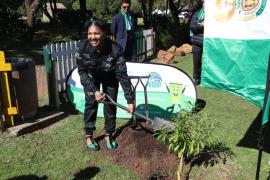
Bernice Swarts stood beneath a clear Northern Cape sky on June 17, 2026, as she handed over two newly restored boreholes to the communities of Rietfontein and Philandersbron—lifelines in regions where water is as precious as hope. This moment marked more than just infrastructure delivery; it was a milestone in a broader mission to heal degraded land, revive rural economies, and secure the future of South Africa’s vital rangelands. Led by the Department of Forestry, Fisheries and the Environment (DFFE) with the Department of Agriculture and the International Union for Conservation of Nature (IUCN), the land restoration initiative in Limpopo and the Northern Cape is proving that ecological recovery and human well-being can grow side by side.
Land degradation has long threatened the livelihoods of rural communities, especially in arid regions where invasive species choke water sources and diminish grazing land. The rangelands—vast, open ecosystems that support livestock, biodiversity, and water cycles—are under increasing pressure. Recognizing their value, the 2026 Desertification and Drought Day theme, "Rangelands: Recognise. Respect. Restore," placed these landscapes at the center of global attention. In South Africa, the response has been both practical and transformative.
The project’s impact is already visible across 700 hectares of land where the invasive Prosopis species—known for draining groundwater and outcompeting native plants—has been systematically removed. This effort has not only restored ecological balance but also created meaningful opportunities: 84 people, including women, youth, and persons with disabilities, received training and employment through the programme. These are not just temporary fixes but investments in long-term resilience, equipping communities with skills in sustainable land management. An additional small grant project, running from April 2026 to April 2027, will create 10 more temporary jobs while supporting food security and sustainable farming practices.
The restored boreholes in Rietfontein and Philandersbron symbolize the project’s dual mission—reviving the land and the people who depend on it. With climate change intensifying droughts, the availability of clean water is no longer just an environmental issue but a cornerstone of social stability and economic survival. Healthy rangelands play a critical role in water regulation, carbon sequestration, and food production, making their restoration essential for climate adaptation.
Deputy Minister Swarts captured the spirit of the effort when she called for collective action: "Together we need to work towards ensuring sustainable land management and environmental stewardship to ensure healthier ecosystems and strengthened socio-economic conditions of rural communities." As the world watches ecosystems falter, South Africa’s rangeland restoration projects offer a blueprint—where healing the earth also means lifting people up. The work continues, but the ground is no longer barren—it’s beginning to bloom.