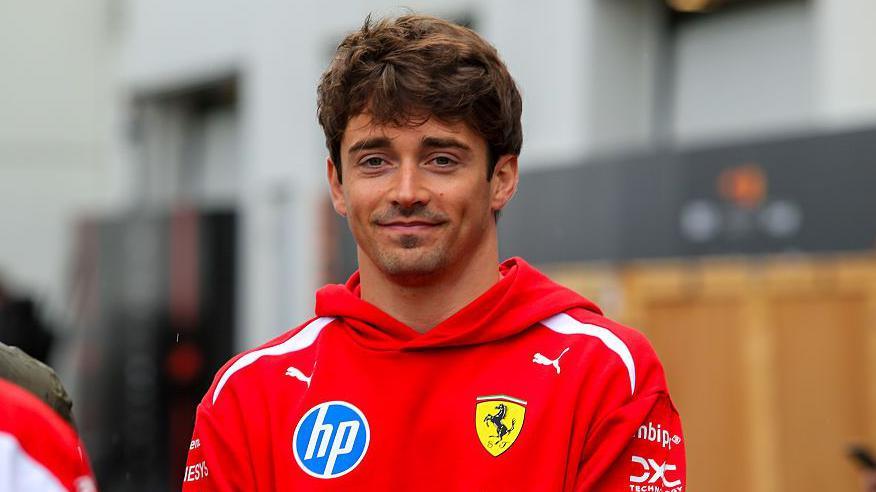
Charles Leclerc has committed his future to Ferrari, signing a new long-term contract with the Italian team that binds him to the pursuit of the sport's greatest prize. The announcement, made in Maranello ahead of the Monaco Grand Prix, signals an unwavering partnership between driver and Scuderia as they chase the World Championship together.
For Leclerc, the decision represents far more than a commercial arrangement. The Monegasque driver has long spoken of Ferrari as his childhood dream, a team that transcends the usual athlete-organization relationship. In his statement, Leclerc expressed the depth of his emotional connection to Maranello, describing how the team has become "a second family" over the years they've spent together. This language matters: it reflects not obligation, but genuine commitment rooted in decades of devotion.
The timing of the deal carries symbolic weight. Coming just before Ferrari's return to Monaco—Leclerc's home race and a circuit where Ferrari has dominated historically—the new contract sends a clear message to competitors and fans alike. The team and driver are moving forward together, undeterred by the competitive pressures that dog Formula 1's elite organizations.
Leclerc's words reveal both humility and determination. He acknowledged the "incredible moments and some tougher ones" the partnership has weathered, a candid nod to Ferrari's championship drought and the frustrations that have accompanied recent campaigns. Yet his belief in the team's potential appears unshaken. "I believe in this team more than ever," he said, emphasizing that this extension comes not from habit or inertia, but from deepening conviction.
What stands out in his commitment is the explicit recognition of responsibility. Leclerc framed his role as a Ferrari driver not primarily as a privilege—though he noted it is "a dream"—but as a duty he takes seriously. This distinction matters. It suggests a driver ready to shoulder the weight of expectation, to invest emotionally in the shared mission of returning the Prancing Horse to championship glory. He pledged to "give absolutely everything I have," language that speaks to total commitment.
The driver also centered the role of Ferrari's passionate fanbase in his motivation. He specifically referenced the tifosi, Ferrari's devoted supporters worldwide, describing their passion as "the heartbeat of this Scuderia." This acknowledgment of the human ecosystem around Ferrari—the engineers in Maranello, the mechanics, the strategists, and the millions of fans—grounds his ambition in something larger than individual achievement.
For Ferrari, keeping Leclerc locked into a long-term deal represents a crucial piece of their championship strategy. The team has invested significantly in both personnel and resources to reclaim their place at the sport's pinnacle. Leclerc, at his peak years as a driver, represents the continuity and leadership Ferrari needs as it pursues its next world title.
The partnership now moves forward with clarity and unity of purpose. Whether this extended commitment will culminate in the championship both parties desperately want remains uncertain—such is the nature of Formula 1's competitive landscape. But what is certain is that Leclerc and Ferrari will face whatever comes next together, bound by a contract and by something deeper: a shared dream forged in childhood and sustained by years of partnership.