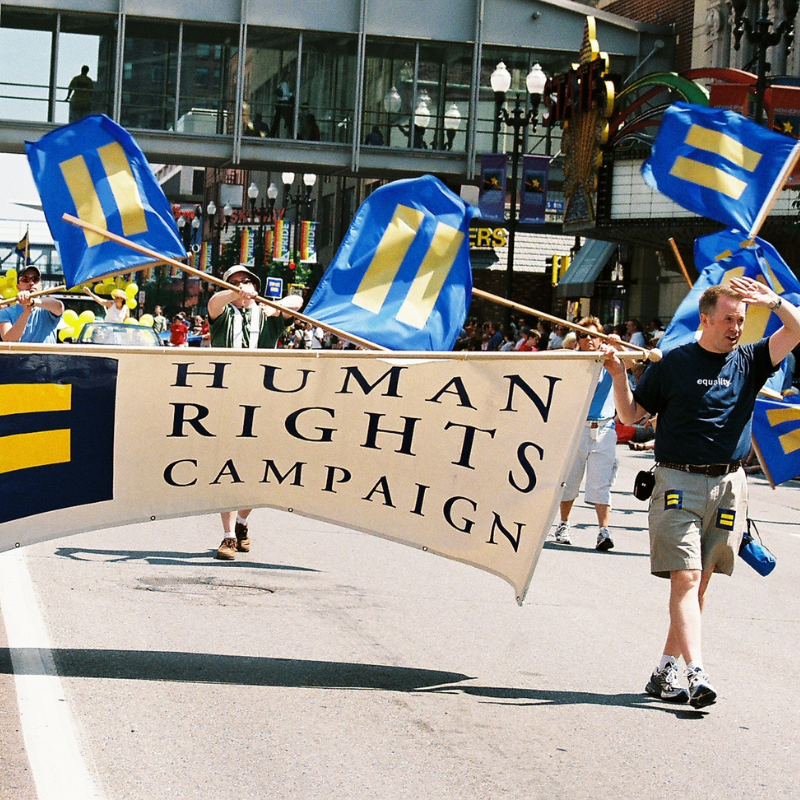
As Pride Month kicks off this June, the Human Rights Campaign has announced it has reached a historic milestone: 4 million members and supporters spanning every state in the union and every congressional district. The figure marks a stunning surge in organizational power for the nation's largest LGBTQ+ civil rights group, which just two years ago was smaller. What makes the growth particularly striking is what happened during those months—HRC members mobilized over 1.2 million advocacy actions, from letters to elected officials to public comments on federal regulations to calls flooding Hill offices, all aimed at defending LGBTQ+ equality against a political landscape that has grown increasingly hostile.
Kelley Robinson, president of the Human Rights Campaign, frames Pride this year not as mere celebration but as protest and power. "Pride is a protest and it's our power," she said, speaking to the defiant energy animating LGBTQ+ communities even as they face what she describes as "continued attacks on LGBTQ+ people's lives and dignity." The timing is deliberate: as America marks its 250th birthday this year, Robinson emphasizes that LGBTQ+ people have always been woven into the nation's story, and their fight for equality—the right to live authentically without exception—represents a push toward making the country a truer home for all.
The surge in HRC's membership reflects both the intensity of the moment and a strategic choice by LGBTQ+ people to organize. In under two years, that 1.2 million advocacy actions represent the concrete work of people writing to Congress, filing public comments, and calling their representatives. These are not abstract numbers; they reflect dinners interrupted by a quick call to a senator, evenings spent drafting letters, moments of political engagement woven into daily life. That volume of grassroots action speaks to a movement that has shifted from feeling defensive to feeling mobilized.
Beyond its membership drive, HRC is visibly present in the streets this month. The organization will participate in more than 150 pride events across the country, turning celebration into visibility and solidarity. The month also carries painful resonance: June marks the 10th anniversary of the Pulse shooting in Orlando, Florida, a tragedy that claimed 49 lives and forced America to reckon with violence targeting LGBTQ+ spaces. That remembrance happens alongside this year's assertion of strength, creating a Pride season that holds both grief and defiance.
Robinson's message extends into the political arena. With 4 million members and supporters mobilized, HRC is positioning itself as a force in electoral politics, explicitly committing to help elect "pro-equality leaders up and down and across the ballot this November." That combination—celebrating the joy and power of Pride while organizing for political change—reflects a mature strategy: joy as resistance, celebration as organizing, visibility as power.
"One day soon, we will know more joy than grief," Robinson said, articulating a vision where LGBTQ+ children feel safe under both the American flag and Pride flags. That vision isn't guaranteed; it requires the very advocacy actions those 4 million members are undertaking. But the sheer scale of recent organization suggests a movement that has found both urgency and momentum. As Pride unfolds across the country this June, it carries the weight of real political organizing alongside the lightness of celebration—a reminder that freedom requires both joy and work.