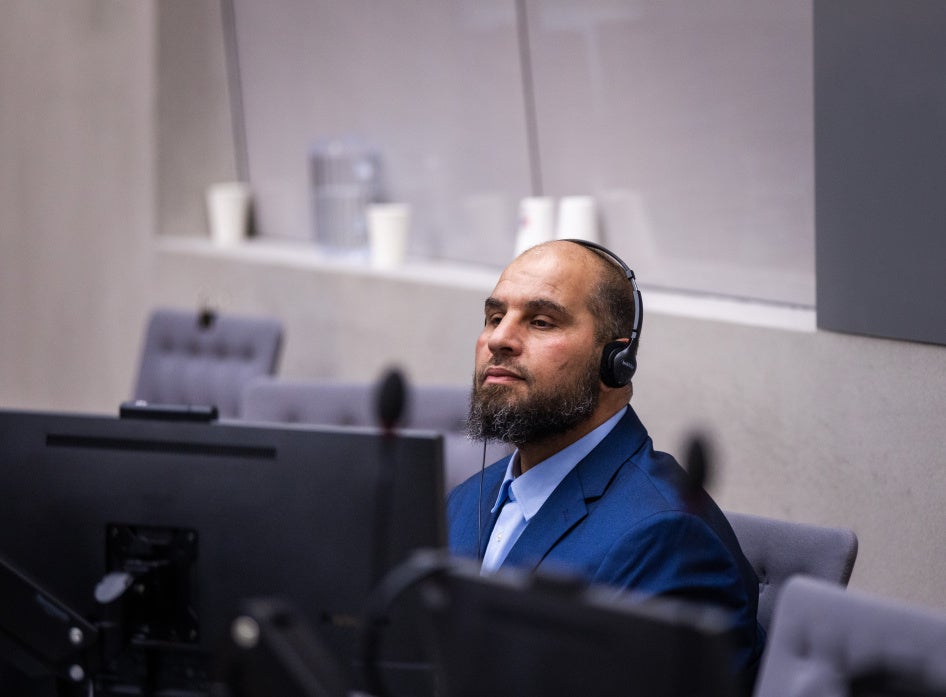
For the first time in 15 years, the International Criminal Court has confirmed that a case involving Libyan war crimes will go to trial — a milestone that victims' families and human rights advocates have waited more than a decade to see.
On July 16, 2026, a panel of three ICC judges unanimously confirmed 17 counts of war crimes and crimes against humanity against Khaled Mohamed Ali El Hishri. The charges include torture, rape, sexual violence, murder, enslavement, and persecution allegedly committed against detainees at Mitiga Prison in Tripoli since 2015. The evidence could involve more than 900 people who were held at the facility during the time El Hishri controlled it.
German authorities arrested El Hishri in July 2025 and transferred him to the ICC in The Hague in December. He has been in detention there ever since. Judges previously rejected his challenge to the court's jurisdiction, ruling that a declaration Libya filed in May 2025 — accepting the ICC's authority from 2011 to 2027 — was valid.
"The ICC's decision to move its first Libya case to trial opens a long-awaited door to justice for victims of Libya's abusive detention system," said Alice Autin, an international justice researcher at Human Rights Watch. She urged Libyan authorities to cooperate fully and surrender any remaining suspects.
The court has issued arrest warrants for 14 people connected to the Libya investigation. Four of those individuals have since died. Eight others, including suspects in both the eastern and western parts of the country, remain at large. One case has been dismissed as inadmissible. A separate panel of judges will announce when the trial officially begins.
Human Rights Watch noted that authorities in western Libya have arrested at least two other suspects wanted by the ICC in connection with serious crimes in Tarhuna. They also reportedly detained Osama Elmasry Njeem, named as one of El Hishri's co-perpetrators, though the ICC says it has not received official confirmation of that arrest.
The ICC acts only when national courts are unable or unwilling to pursue serious crimes. For families who lost loved ones in Libya's detention centers, this decision marks the first real path toward accountability in a justice system that has struggled for years under the weight of conflict and instability.