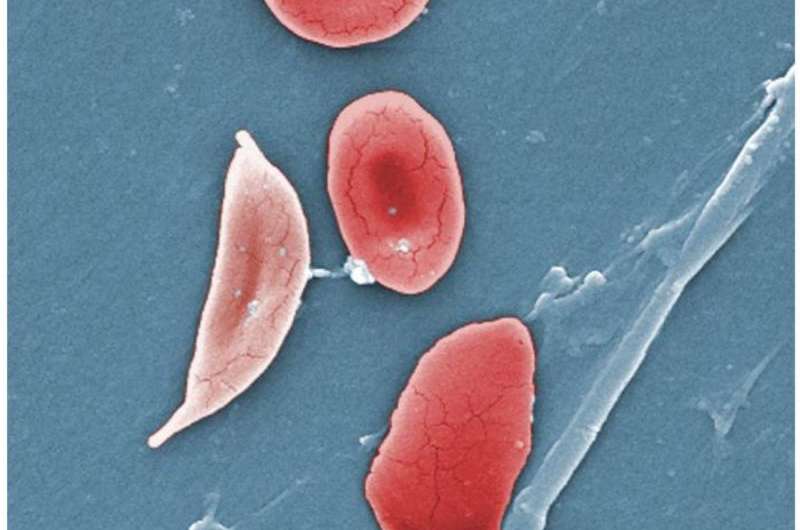
Ten years into a continuous treatment program in Uganda, Russell Ware, MD, Ph.D., and his team at Cincinnati Children's Hospital Medical Center have documented something that seemed almost impossible in sub-Saharan Africa: children with sickle cell disease are surviving and thriving. The NOHARM trial, which provided hydroxyurea treatment to young patients over a decade, has reduced annual mortality to just 1–2% — a stunning reversal in a region where about half of all children with the disease historically died by age 10.
For the families touched by this work, the difference is profound. Fewer hospitalizations. Fewer blood transfusions. Fewer devastating pain crises. Better growth and development. When results like these were published on May 27, 2026, in the New England Journal of Medicine, they shattered long-held assumptions about what's possible when treating sickle cell disease in resource-limited settings.
Sickle cell disease affects an estimated 300,000 to 400,000 babies born annually in sub-Saharan Africa, making the continent home to one of the world's largest populations living with the painful blood disorder. For decades, that geographic reality translated to a cruel disparity: while children in the United States now enjoy life expectancies exceeding 50 years — thanks to mandatory newborn screening, penicillin prophylaxis, transfusions, and newer gene therapies — African children with the same disease faced drastically different odds.
Hydroxyurea changed that calculus. Originally developed to treat cancer and HIV, the medication costs as little as 10 cents to $1 per capsule in Africa. It works by prompting the body to produce fetal hemoglobin, a form of hemoglobin that prevents red blood cells from sickling in the first place. The result is a dramatic reduction in painful crises, acute chest syndrome episodes, and the need for blood transfusions.
What made the NOHARM trial particularly significant was not just that hydroxyurea worked — earlier studies had already shown promise — but how well it worked at higher doses. Ware and his colleagues discovered that patients could safely tolerate "maximum tolerated doses" as high as 30 mg/kg/day, substantially higher than the initial fixed doses of 15–20 mg/kg/day used in earlier research. These higher doses proved significantly more effective while raising no major long-term safety concerns.
The implications ripple far beyond Uganda. Since launching clinical trials in 2014, Ware's team has replicated these successes across six African nations: the REACH trial spanning Angola, the Democratic Republic of Congo, Kenya, and Uganda; the PIVOT trial in Ghana; the ADAPT trial in Uganda; and the SPHERE trial in Tanzania. Each study returned similarly encouraging results. Today, national sickle cell guidelines in Uganda, Kenya, and Tanzania all recommend hydroxyurea, and the World Health Organization includes it on its list of essential medicines.
"These findings matter globally because they show that a proven sickle cell therapy can work safely and effectively even in settings complicated by malaria, malnutrition, and limited access to care," Ware reflects. That statement carries weight not just as a scientific observation but as a call to action — a reminder that transformative health interventions need not be expensive or high-tech to save lives. What matters is evidence, access, and the will to scale solutions that work. In Uganda and across Africa, that will is growing, and children are living longer because of it.