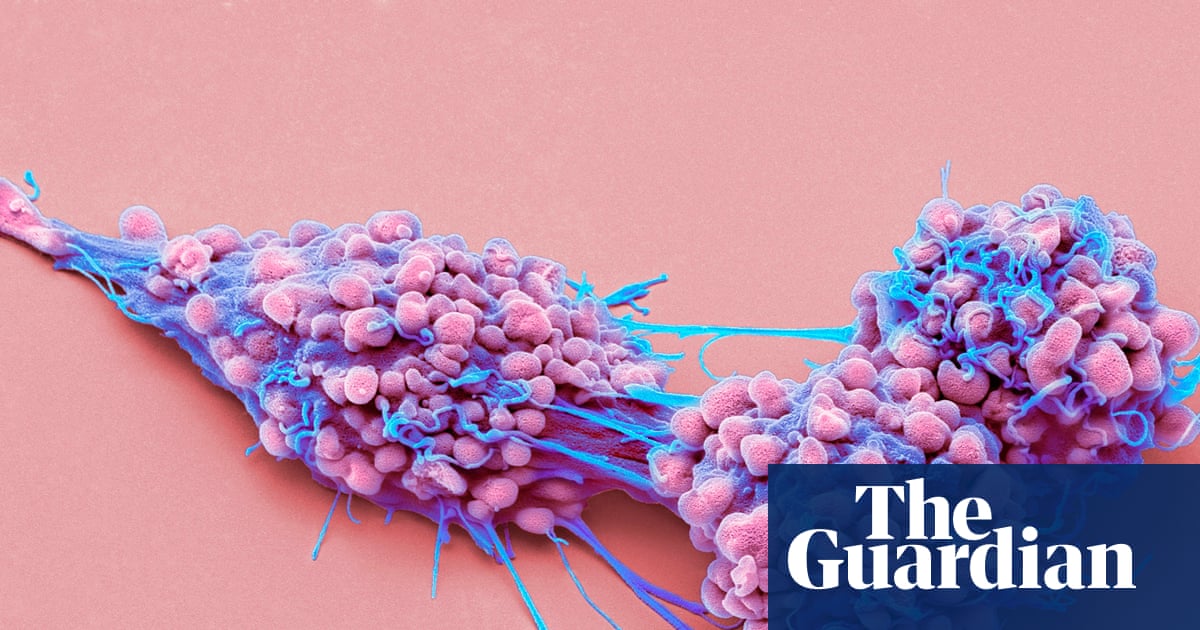
For the first time in over two decades, women in England with platinum-resistant ovarian cancer now have access to a drug that offers real hope of prolonged survival. Mirvetuximab soravtansine, known as Elahere, has just been approved by NHS England after getting the green light from the National Institute for Health and Care Excellence (Nice), marking what experts are calling the most significant breakthrough in treatment for these hard-to-treat cancers since the early 2000s.
Ovarian cancer remains the 18th most common cancer globally, affecting more than 300,000 women a year, with more than three-quarters diagnosed at an advanced stage. The disease is particularly brutal because while standard treatment—surgery and chemotherapy—can initially help, about 80% of patients with advanced disease eventually relapse. Most go on to develop resistance to chemotherapy, leaving them with agonisingly few options. For patients whose tumours carry the folate receptor-alpha (FRα) protein and have stopped responding to platinum-based drugs, the landscape of available treatment has been bleak for decades.
Elahere works differently. Made by AbbVie, the drug combines what researchers call a "homing" antibody that seeks out the FRα protein on cancer cell surfaces with a cancer-killing molecule that destroys cells from within. It's administered by drip once every three weeks. A global clinical trial involving eight NHS hospitals found that the drug delayed cancer progression and prolonged survival by an average of four months compared with chemotherapy alone—and with more manageable side effects. More strikingly, in more than a third of patients (37%), tumours shrank by at least 30%, compared with just 16% in those receiving chemotherapy.
NHS England estimates that up to 400 women a year in England could benefit from this treatment. For many of them, those extra months represent something precious: more time with family, more moments with loved ones. Prof Ruth Plummer, NHS England's national clinical lead for cancer drugs, captured the weight of that reality in a single sentence: "We're delighted it will now offer hundreds of women much-needed hope of precious extra time with their loved ones."
The voices of patients and organisations echo this sentiment. Rachel Downing, head of policy and external affairs at Target Ovarian Cancer, described the announcement as "hugely important" for women and families who "have faced limited effective treatment options for far too long." Victoria Clare, chief executive of the charity Ovacome, called it "a landmark moment"—the first new option in over 20 years at what is often the most critical and anxious stage of the disease. Helen Knight, director of medicines evaluation at Nice, acknowledged what patients had made clear: the "very limited options" and "substantial burden" that chemotherapy places on women's lives at this stage.
What makes this approval particularly significant is that it didn't just happen because the drug worked. Nice undertook what it described as a robust evaluation process, and reached a new commercial arrangement with AbbVie that made the treatment viable for the NHS. That behind-the-scenes negotiation is what turned a promising therapy into an accessible one.
For hundreds of English women facing platinum-resistant ovarian cancer, that difference is everything. After more than 20 years without meaningful new options, they finally have one.