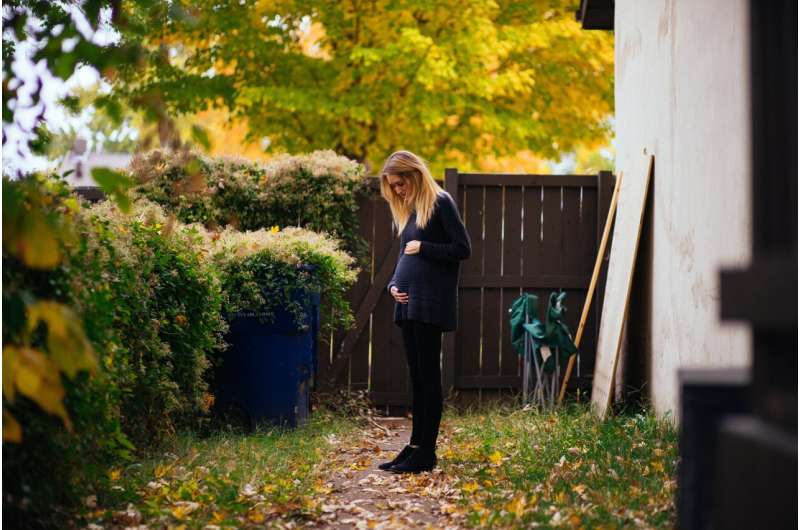
When Bethany Barone Gibbs at West Virginia University asked pregnant women to wear activity trackers around their thighs for a full week during each trimester, she was testing a simple idea: that reducing sitting time might protect both mother and baby. What her team discovered, published in the Journal of the American Medical Association, rewrites how we think about pregnancy health—and suggests that light movement, even just standing, can cut the risk of serious complications in half.
Adverse pregnancy outcomes are surprisingly common, affecting about one in five pregnancies. These complications—preterm birth, gestational diabetes, high blood pressure disorders, and infants born small for their gestational age—don't just pose immediate risks. They're linked to long-term cardiovascular disease, diabetes, and obesity for both mother and child. While exercise has long been known to help, researchers have paid far less attention to sedentary behavior and the protective power of everyday light activity.
Gibbs and her colleagues tracked 470 pregnant women across Iowa, Pennsylvania, and West Virginia from early pregnancy through delivery. The data they gathered is striking. Women who sat for 10 hours or more daily experienced complications at roughly double the rate of those averaging around seven sedentary hours—42 percent versus roughly 20 percent. The culprit, the researchers found, was uninterrupted sitting for an hour or longer. In contrast, women who logged the least sitting time experienced complications in fewer than one in five cases.
The real breakthrough lies in what happens when pregnant women simply break up their sitting with light activity. Seven hours a day of light-intensity movement—standing instead of sitting, gentle walking, ordinary daily motion—reduced the risk of complications by about 50 percent. One of the clearest benefits was a sharp decrease in high blood pressure disorders, a condition that threatens both maternal and fetal health. This matters because light activity is accessible in ways that structured exercise sometimes isn't: it doesn't require a gym, special equipment, or rigorous training.
Walking proved particularly protective. Women who took a moderate 6,000 steps daily had significantly lower complication rates than those logging fewer than 4,000 steps. The benefits continued climbing: women reaching closer to 8,500 steps saw risks drop even further. These are everyday numbers, not marathons—the kind of walking many people can weave into their routines without upheaval.
The study authors note that "sitting less and moving more at light intensity were associated with lower risk of adverse pregnancy outcomes," and they call for the approach to be "rigorously tested as a strategy to improve pregnancy health." That forward-looking emphasis is important because, while the findings are compelling, this is a call to action for the medical community and public health specialists to build on this foundation.
What makes this research hopeful is its elegance: pregnancy complications are a leading cause of suffering, yet the remedy appears deceptively simple. It doesn't require medicine, special equipment, or expensive interventions. It asks only that pregnant people move a little more and sit a little less—a shift that any woman, in any economic circumstance, can make. For millions of pregnant women navigating an uncertain time, that simplicity is its own form of power.