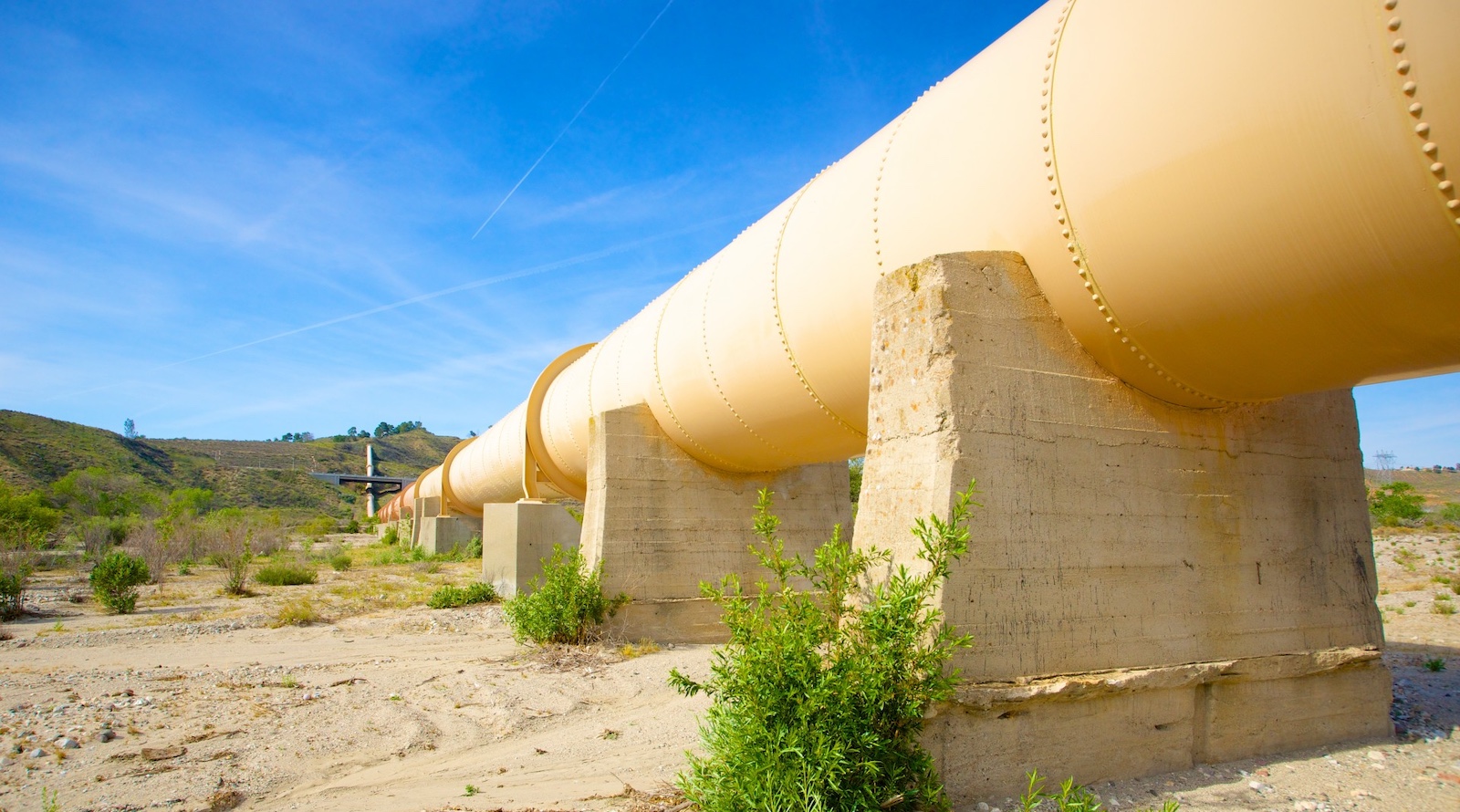
In the same Cameron Parish courthouse where officials were recently ordered to analyze climate impacts before approving another liquefied natural gas project, three grassroots organizations returned to court this month with a new challenge. Louisiana Bucket Brigade, Fisherman Involved in Sustaining our Heritage (FISH), and Sierra Club filed suit against the Marais Pipeline permit, arguing the state skipped a legally required review of climate risks in a region where wetlands are the only line of defense against intensifying storms.
The proposed pipeline would stretch 44 miles across coastal Louisiana, carrying 1.9 billion cubic feet of methane gas daily to the CP2 LNG terminal now under construction. If built, the terminal would export 20 million metric tons of liquefied methane per year—enough gas that when burned overseas, its climate-warming emissions would rival those from 42 million gasoline-powered cars or 46 coal-fired power plants annually. The pipeline itself would fill or disturb more than 800 acres of wetlands, eliminating the natural buffers that communities like Cameron Parish depend on as hurricane season grows more dangerous.
In October 2025, the same district court ruled that Louisiana regulators must assess climate change impacts before issuing coastal permits. Yet according to the lawsuit, the Louisiana Department of Conservation and Energy approved the Marais permit without analyzing the project's contribution to climate change, sea level rise, or the increased flooding and storm surge that would result from destroying these coastal marshes. The groups argue this bypass violates state law requiring regulators to weigh the true costs before rubber-stamping projects that benefit out-of-state corporations.
For communities in southwest Louisiana, this fight is deeply personal. Cameron Parish already has more low-income residents than 88 percent of the country and sits in a region disproportionately burdened by industrial pollution. Exporting vast quantities of domestic gas overseas has also been linked to higher utility bills at home, as reduced supply drives up prices for heating and electricity. "Southwest Louisiana is not a sacrifice zone," said Robyn Thigpen, executive director of FISH. "We will continue fighting for the people, waters and fisheries that call this place home."
Anne Rolfes, director of the Louisiana Bucket Brigade, pointed to hard-won lessons from years of storms. "If there's one thing we know from the storms and hurricanes that have battered our home, it's that wetlands matter," she said. "We don't need more wetlands destroyed for the oil and gas industry. We need this area to absorb storm surge and protect us from flooding."
This lawsuit adds to ongoing litigation against the CP2 LNG project, with three related cases still pending. The groups say they won't stop demanding accountability—and in Cameron Parish, the fight to protect both the coast and the communities behind it is far from over.