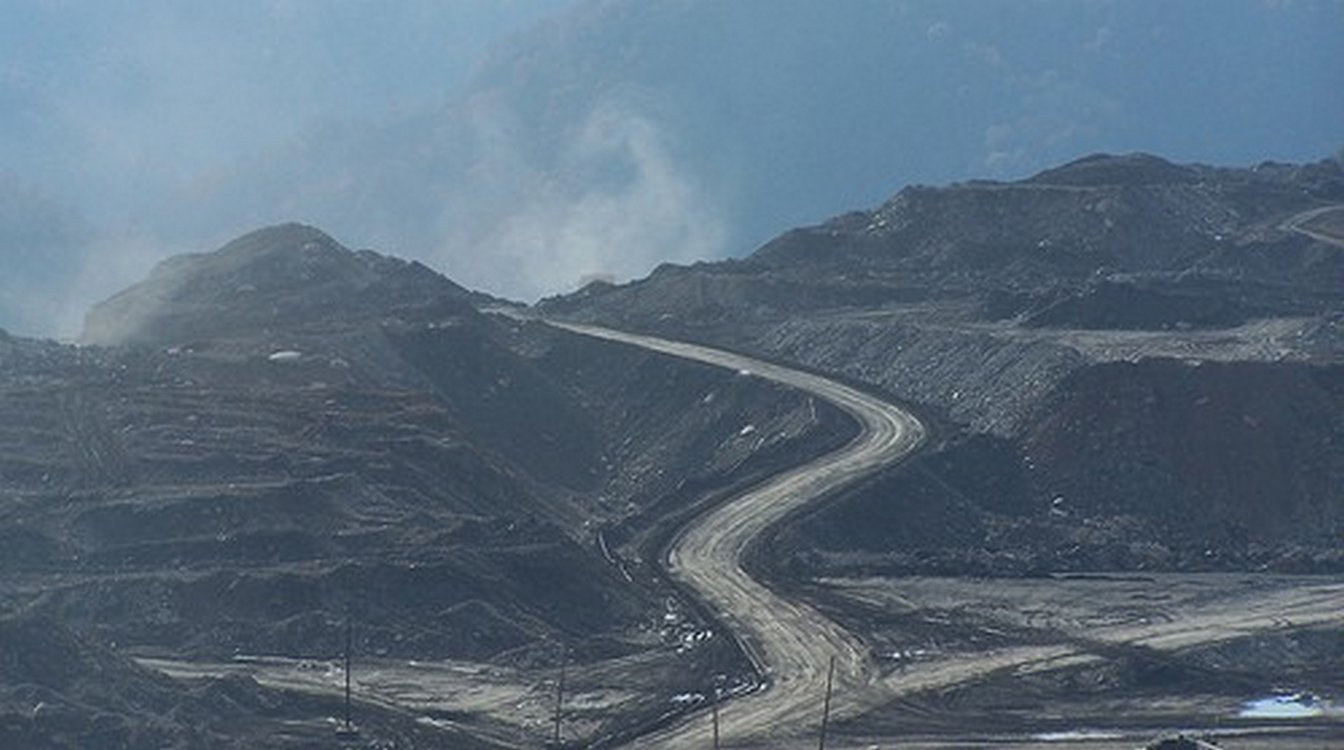
Coal mines across Appalachia have operated for years under a legal shortcut that never asked the most basic question: what happens to the animals that live here? That loophole just closed. In a ruling by the US District Court for the District of Columbia, a federal judge struck down the government's streamlined process that had allowed coal miners to bypass thorough harm analyses required under the Endangered Species Act. The decision invalidates the nationwide biological opinion that coal companies used to avoid the detailed environmental assessments and protections that the law demands.
The implications ripple across the region's streams and rivers, where species like the Guyandotte River crayfish and the candy darter—already hanging on in imperiled populations—have endured devastating impacts from surface mining in their watersheds. For decades, federal regulators allowed coal operations to proceed under a process that did not require companies to analyze the actual damage they cause to protected wildlife, nor did it limit the extent of that harm. The Center for Biological Diversity and Appalachian Voices challenged this arrangement, arguing it violated the Endangered Species Act's core requirement: that federal officials assess whether an activity will jeopardize protected species or destroy their critical habitats.
The court agreed. Under the ruling, coal mines must now conduct full harm analyses before they operate, ensuring their activities don't push threatened species toward extinction. The Endangered Species Act exists precisely because some wildlife needs active protection to survive—the law's mechanism is that federal regulators must review projects for their impact on these species and implement mitigation measures when necessary. When that review doesn't happen, species can vanish without anyone ever knowing what was lost.
Willie Dodson, coal impacts program manager for Appalachian Voices, characterized the 2020 regulatory opinion that enabled the shortcut as "a ludicrous and extra-legal scheme" that let companies engage in "wildly destructive surface mining" without genuine accountability. His point cuts to the heart of the matter: these species matter because they signal broader ecosystem health. The Guyandotte River crayfish and candy darter need clean water. So do the people of Appalachia who drink from these streams and depend on them for their livelihoods and well-being.
Jared Margolis, a senior attorney at the Center for Biological Diversity, called the decision "an incredibly important victory for the streams and rivers of Appalachia and the people and wildlife who rely on them." He emphasized that regulators had been allowing coal mining to devastate wildlife for too long—but that changed when the court required the government to actually follow its own laws.
What happens next matters. Coal companies will need to account for their threats and harms in ways they never did before. Some operations may need to implement stronger protections. Others may find that the damage they would cause makes proceeding impossible under law. Either way, Appalachia's remaining imperiled species now have a legal shield that actually functions. The streams and the creatures that depend on them won't be sacrificed silently for fossil fuel profits anymore.