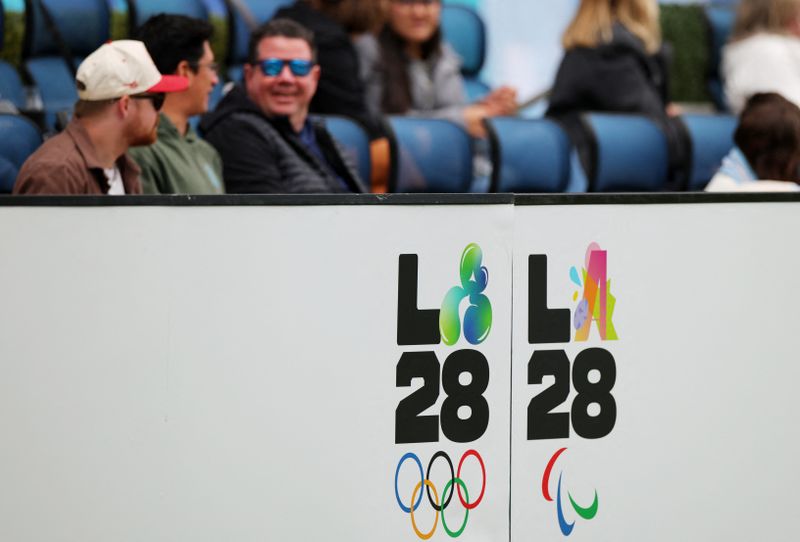
Los Angeles will host the largest Paralympic Games in history in 2028, with wheelchair rugby competitors taking the court on August 13—two days before the opening ceremony even begins. This deliberate shift in scheduling marks a fundamental reimagining of how the Paralympic Games unfold, allowing athletes and venues to build momentum rather than waiting for formal pageantry to ignite the competition.
The LA28 Paralympics represent a watershed moment for disability sport and gender equality. With 560 medal events spread across 23 sports over 14 days of competition, the Games will sprawl across nearly 20 venues in seven zones around the Los Angeles region, generating more than 1,100 hours of athletic competition. The scale is staggering, but the deeper story lies in who gets to compete and in what.
For the first time, women athletes will receive 45 percent of all athlete places at the Paralympics—up from 42 percent at Paris 2024. This progress toward gender balance extends far beyond numbers on a roster. Six sports—archery, boccia, judo, powerlifting, table tennis, and triathlon—are expected to achieve gender parity for the first time. Table tennis and triathlon will each gain new women's events, while swimming will introduce a relay for athletes with an intellectual impairment, expanding the competition in ways that reflect the diversity of the Paralympic movement itself.
Innovation threads through the entire programme. Climbing will make its Paralympic debut in Los Angeles, marking the first time an organising committee has added a sport to the Paralympic programme—a departure from the traditional approach of working with an established list. This signals that the Paralympics are not frozen in amber but evolving to reflect contemporary athletics and the athletes who deserve representation.
The final weekend of LA28 promises to be one of the most dramatic in Paralympic history. August 26, dubbed "Super Saturday," will pack 15 finals sessions and more than 50 gold medals across 12 sports into a single day. The closing day on August 27 will see seven finals sessions and 20 medals contested before the ceremony—the highest medal count on a final day since Atlanta in 1996.
Janet Evans, LA28's chief athlete officer, captured the ambition succinctly: the Games are being designed to showcase elite sport in all its glory, with more competitions and more opportunities than any Paralympics before. The opening ceremony is set for August 15, with the closing on August 27, giving athletes and spectators 13 days of sustained, uninterrupted celebration of human achievement.
Tickets will go on sale in 2027, with additional venue details to be announced later this year. For a city that has never hosted a Paralympics before, LA28 is not simply hosting—it is setting a new standard for what the Games can be: bigger, more balanced, and more innovative than any that came before.