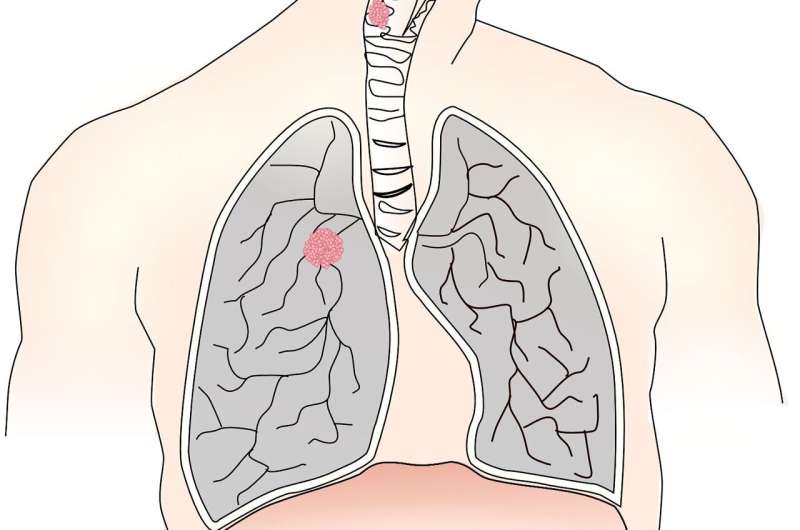
Dr. Robert Van Haren stood before the uncomfortable truth: many lung cancer patients arriving for surgery were still smoking, yet hospitals were turning them away based on outdated guidelines alone. A new study from the University of Cincinnati College of Medicine challenges that gatekeeping, offering hope to thousands who feared their cigarette habit had locked them out of life-saving treatment.
Researchers analyzed data from 85,124 lung cancer patients treated between 2018 and 2023, documented in the Society of Thoracic Surgeons General Thoracic Surgery Database. The findings, published in the Journal of the American College of Surgeons, reveal a surprising counterintuitive reality: patients who continued smoking before surgery had nearly identical short-term survival rates to those who quit beforehand. Both groups experienced a one percent mortality rate following lung cancer resection.
The study does show real differences—but not where tradition expected them. Current smokers faced a higher rate of pulmonary complications after surgery, with 34.6 percent experiencing such issues compared to 30.5 percent among those who had quit. Pneumonia and other lung-related problems remain more common in this group. Yet these complications did not translate into higher death rates, a finding that has profound implications for how surgeons approach their sickest patients.
"There is no difference in the chance of dying, so we can still get them through the operation," says Dr. Van Haren, an associate professor of clinical surgery at UC College of Medicine and UC Health surgeon. "But we have to be careful and make that decision on an individual basis rather than looking at one factor in making our decision about surgery."
For decades, the standard practice has been categorical: quit smoking at least one month before lung cancer surgery, or face disqualification. That rigid requirement stems from genuine concern—smoking does increase postoperative complications. Yet Van Haren and his team, led by study author Dr. Hannah Kim, argue the evidence now supports a more nuanced approach. Rather than absolute exclusion, individualized assessment should guide decisions, weighing factors like patient age, mobility, cancer stage, and whether less invasive techniques are viable.
Technology has shifted the calculus considerably. The rise of robot-assisted surgery with smaller incisions has changed what's medically possible. "We are doing a lot of surgery robotically with smaller incisions so that it allows patients to recover better and have less chance of developing problems like pneumonia compared to open incisions," Van Haren explains. What once required large thoracotomy incisions—with their attendant risks—can now be accomplished through minimally invasive approaches that give all patients, including smokers, better recovery prospects.
The University of Cincinnati researchers emphasize their findings describe association, not causation. Current smokers in the database tended to be younger and had fewer other health conditions—factors that likely influenced their survival outcomes independent of smoking status. The data point to a more complex picture than traditional blanket rules allow for.
This study arrives as a potential relief valve for an uncomfortable medical reality: smoking addiction is powerful, and many patients cannot or will not quit before scheduled surgery. Rather than denying them curative treatment, the Cincinnati team suggests surgeons should engage in honest, individualized conversations about risk versus benefit. For patients with no other viable options, surgery remains safer than the certainty of untreated lung cancer.