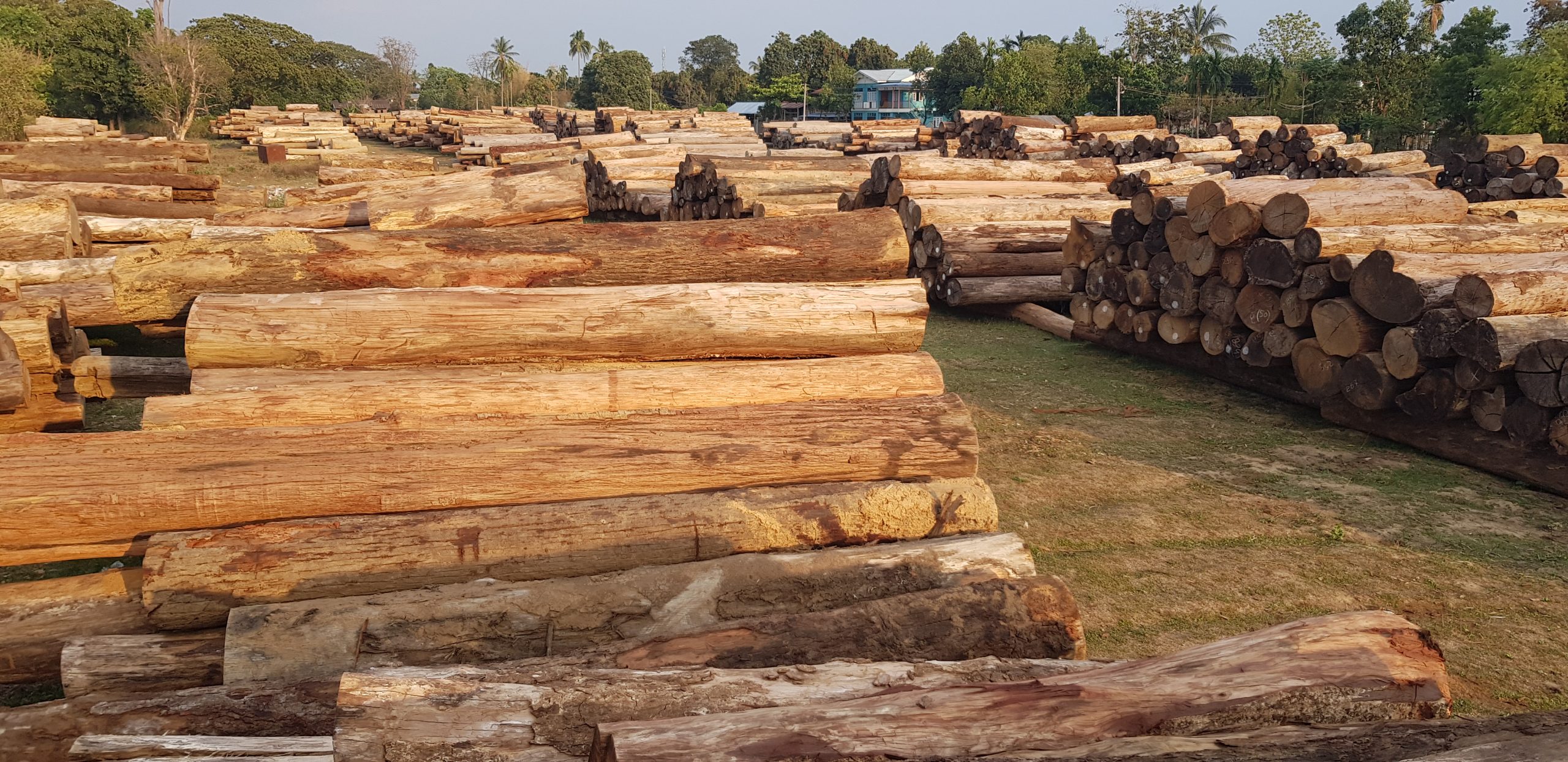
Sunseeker International Limited, the world's leading brand for luxury motor yachts, pleaded guilty on May 13, 2026, to violating the U.S. Lacey Act by importing illegally sourced teak from Myanmar into two of its vessels. The guilty plea marks a rare moment of accountability in the luxury yacht industry—an arena where environmental compliance has historically taken a back seat to prestige and profit.
The Lacey Act prohibits trade in wildlife and plant products, including timber, sourced in violation of domestic or foreign laws. For Sunseeker, that violation was costly: the company used illegally obtained Myanmar teak in components of two yachts priced at approximately $2.98 million and $1.07 million. As part of its plea agreement with the U.S. Department of Justice, the U.K.-based manufacturer agreed to pay a $200,000 fine and implement a compliance plan. Sentencing is scheduled for August 20, 2026.
This isn't Sunseeker's first brush with timber law. In 2024, the company pleaded guilty to violating the U.K. Timber Regulation in a U.K. court for using illegally obtained teak in its yachts, facing a fine of £358,759.64 (about $454,300) for 11 specific timber exports. U.S. authorities confirmed that the teak imported into America originated from the same illegal imports prosecuted in the U.K.—a damning thread connecting supply-chain negligence across two countries.
What makes this case significant extends far beyond corporate malfeasance. Myanmar teak, also known as Burmese teak, is coveted in the luxury yacht industry for its durability and appearance. Yet much of it carries a grim nickname: "blood timber." Since Myanmar's military coup in 2021, the junta has tightened its grip on timber exports, with components of the teak trade linked directly to illegal logging, smuggling, and revenue flowing to the military regime—the same regime responsible for widespread human rights atrocities and violence against civilians. The U.S., U.K., and EU have all imposed sanctions on Myanmar's timber sector as a result.
The Environmental Investigation Agency (EIA), a U.K.-based organization, first flagged Sunseeker's supply chain risks back in 2018. Faith Doherty, the EIA's forests campaign leader, welcomed the prosecution but struck a cautionary note. The fines, she argued, are "small compared with the value of luxury yachts and the profits attached to Burmese teak." Without stronger deterrents—tougher penalties, seizure risks, director-level accountability, and genuine reputational consequences—some companies may simply treat fines as an acceptable business cost rather than a catalyst for change.
Yadanar Maung, spokesperson for Justice For Myanmar, echoed that concern. While welcoming the U.S. prosecution, Maung called for all companies and governments to impose a comprehensive ban on Myanmar timber imports. "The teak trade has long fueled violence and forest destruction in Myanmar," Maung said.
Sunseeker's case illustrates a hard truth: luxury markets can obscure the human and environmental cost of raw materials. But it also shows that enforcement is possible, and that accountability—however incomplete—still matters.