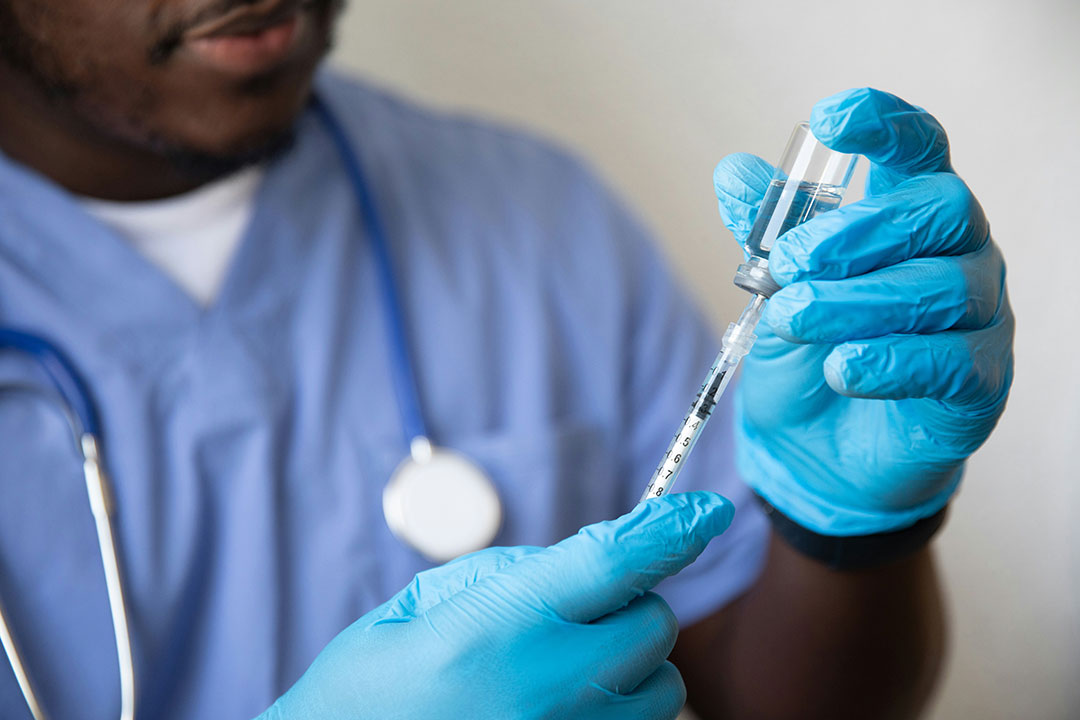
In Ghana, Kenya and Malawi, a new study published in The Lancet has delivered the clearest evidence yet that the RTS,S malaria vaccine saves children's lives—reducing all-cause child mortality by 13 percent, or roughly one in eight deaths prevented. For Dr Kate O'Brien, WHO Director of the Department of Immunization, Vaccines and Biologicals, the findings amount to "very solid evidence of the potential for malaria vaccines to change the trajectory of child mortality in Africa."
The stakes for this work are staggering. In 2024 alone, malaria killed an estimated 438,000 children across Africa, with most not even reaching their fifth birthday. For generations, families in malaria-endemic regions have layered defenses—bed-nets, repellents, antimalarials—against a parasite that adapts faster than the tools used to fight it. The RTS,S vaccine, first rolled out as a pilot in these three countries starting in 2019, offered something entirely new: a way to shift the fundamental trajectory of childhood mortality.
What makes this new analysis particularly compelling is its scope and rigor. Researchers tracked 158 clusters across the three countries over four years, with 79 areas introducing the vaccine in 2019 and 79 serving as comparison areas that received it later. The study relied on a network of more than 26,000 local reporters who notified researchers of child deaths in their communities, followed by home visits to confirm details. Because clusters were randomly assigned and baseline characteristics balanced, the researchers can confidently say the drop in deaths came from the vaccine itself, not from other shifts in malaria care or interventions.
During the evaluation period, 1.29 million children received the first dose across the three countries, 1.07 million received the third dose, and 436,527 received the fourth. The mortality benefit held in both girls and boys with no significant difference between the sexes. Hospital admissions for severe malaria also fell by 22 percent, with no evidence of the safety concerns that had been flagged in earlier trials.
But perhaps the most important finding addresses a widespread anxiety among policymakers: the vaccine delivers substantial benefits even at moderate coverage levels. By the end of the evaluation, only 71 percent of eligible children had received three doses and just 40 percent had received the fourth. Many had worried that the vaccine's public health impact would hinge on achieving near-universal completion of the full four-dose schedule. The new data suggests otherwise. Even when significant numbers of children missed the fourth dose, mortality dropped substantially—a finding with direct implications for the 25 African countries that have now added malaria vaccines to their childhood immunisation schedules, many of which face higher malaria burdens than the pilot areas.
The vaccine also made room for other health interventions rather than crowding them out. Uptake of routine vaccines and bed-net use remained steady, and a meaningful share of children who weren't sleeping under insecticide-treated nets still received the vaccine, broadening access to at least one form of malaria prevention. The four-dose schedule itself created new touchpoints with the health system that countries can leverage to deliver other vaccines, vitamin A supplementation, or bed-nets at the same visits.
As the authors note, "In many areas where malaria vaccines are most urgently needed, vaccine delivery is often constrained by weak health systems, mistrust, and conflict." Yet their findings prove that substantial reductions in child mortality are possible even when only moderate coverage can be achieved—a message of hope for the regions where this tool is needed most.