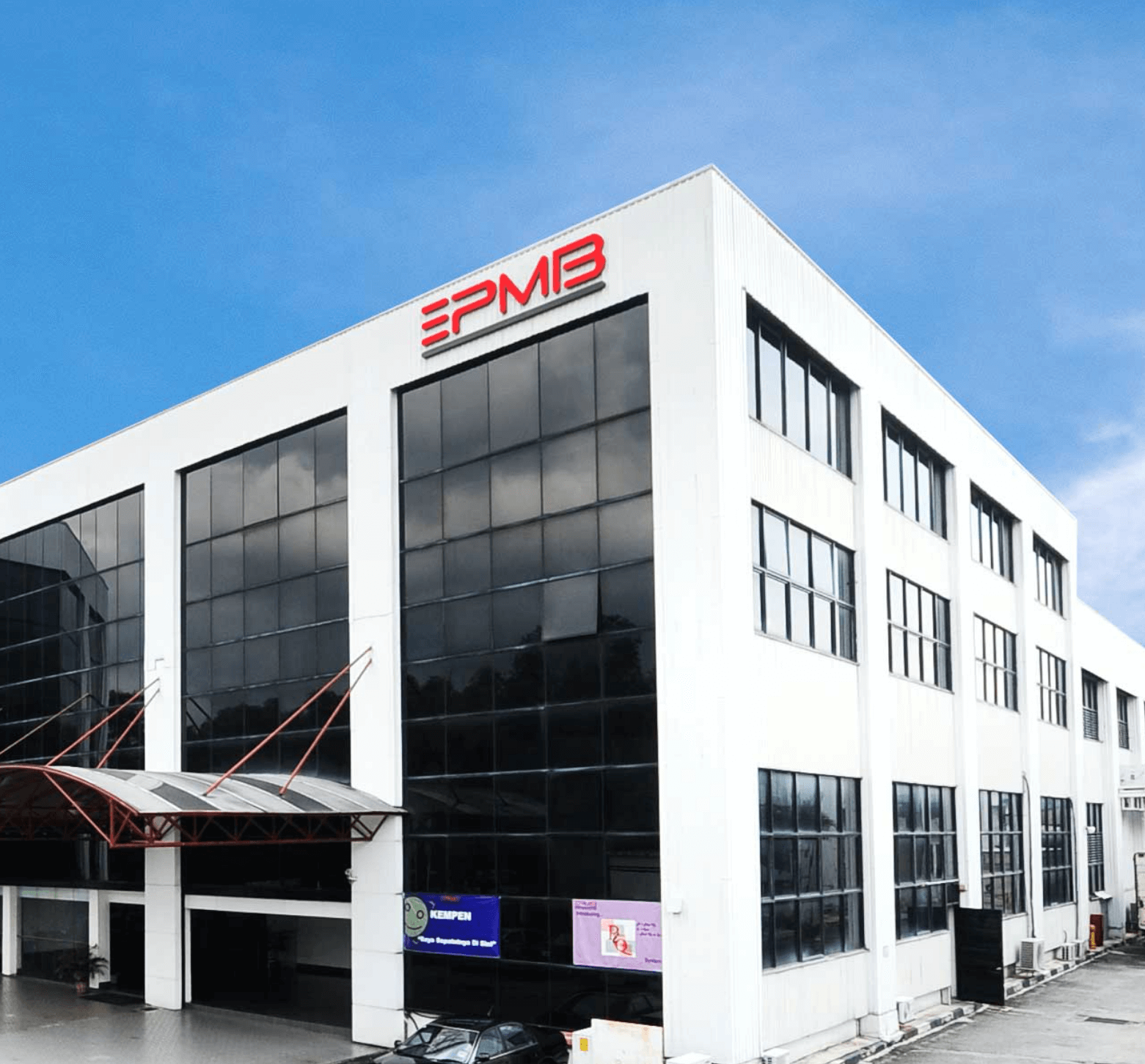
Malaysia's Malacca state is quietly becoming Southeast Asia's answer to a fundamental question: who assembles electric vehicles for right-hand-drive markets when the world's traditional automakers move slowly? The answer, increasingly, is Chinese brands—and they're doing it at EP Manufacturing Berhad's Pegoh facility, a sprawling plant that has swollen from 6,000 to 30,000 annual vehicles in just years.
The transformation from promise to production is more than a factory statistic. It signals a reshuffling of automotive power in the region. While Thailand remains home to Japanese automakers and Indonesia has cornered the nickel-battery supply chain, Malaysia is carving out something entirely different: a nimble, export-oriented assembly hub for Chinese EV makers racing to establish themselves across Southeast Asia before policy windows close.
In March 2026, the first locally assembled MG S5 EV rolled off the Pegoh line, a milestone that marked SAIC Motor's entry into Malaysian manufacturing. But MG is just the opening act. XPeng announced in December 2025 that it would begin local assembly through EPMB, with the XPeng G6 electric SUV scheduled for production by March 31, 2026, followed by the X9 MPV and its PowerX range-extended variant by May 25, 2026. BAIC has joined the roster too. What began as scattered investment announcements is now a coordinated ecosystem.
The timing is not accidental. Chinese automakers are accelerating localization plans ahead of a looming policy shift. Malaysia's tax exemptions for fully imported EVs expire at the end of 2025, but locally assembled EVs continue to receive tax incentives through 2027. That narrow window has lit a fire under production timelines. "Industry observers say the move reflects a broader trend among Chinese EV companies seeking overseas production locations to reduce tariff exposure, improve ASEAN market access, and localize operations before Malaysia's tax exemptions for fully imported EVs expire," the data shows—and the companies are moving at remarkable speed to beat that deadline.
The Pegoh expansion tells a deeper story about Malaysia's manufacturing ambitions. This is not the semi-knocked-down assembly of yesteryear, where parts arrive and workers simply bolt them together. EPMB's Phase 2 expansion represents a jump from 6,000 to 30,000 units annually, with future phases expected to add more advanced production capabilities. The facility is positioned not as a final destination but as a launchpad for Chinese brands seeking to serve right-hand-drive ASEAN markets—markets where every XPeng, MG, and BAIC assembled locally chips away at tariff costs and builds supply chain depth.
XPeng's decision to position Malaysia as a regional manufacturing node complements its Indonesian operations, creating a two-country footprint. That kind of geographic strategy was once the domain of Toyota and Honda. Now it belongs to the companies reshaping global automotive ambitions.
Malacca's EV ecosystem remains young, dependent on sustained regional demand, supply chain localization, and continued government support. But the rapid concentration of Chinese EV activity in the state paints a clear picture: Malacca is steadily evolving into a new manufacturing spine within Southeast Asia's electrified automotive supply chain. The question is no longer whether China's EV makers will build in Malaysia. It's how fast the factories can hum.