In the first six months of 2026, just 1.17 million people in Malawi fell sick with malaria. A year earlier, over 4.26 million had caught the disease during the same stretch. That 72 percent drop — from 4.26 million to 1.17 million cases — represents the kind of turnaround health workers had dared to dream about.
Malawi's Ministry of Health and Sanitation announced the numbers in July, and they show not only fewer infections but fewer deaths too. Malaria-related deaths fell by 51 percent, dropping from 1,143 in the first half of 2025 to 555 in the same period this year.
The country has been working toward a big goal: eliminating malaria as a public health concern by 2030. These latest figures suggest that goal might actually be within reach.
Lumbani Munthali, who manages Malawi's National Malaria Control Programme, said the decline reflects years of steady investment. "The progress demonstrates that it is possible to achieve our goal of eliminating malaria if we sustain and intensify these interventions," he said.
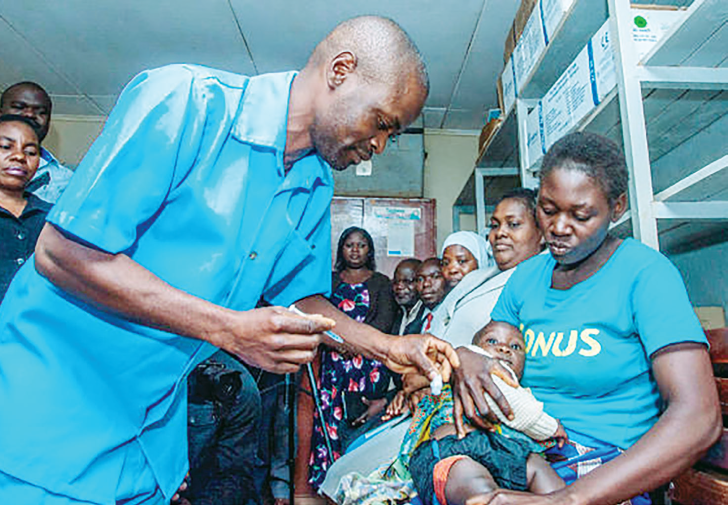
So what's working? A mix of old and new tools. The Ministry has distributed insecticide-treated mosquito nets to households across the country and sprayed the inside of homes in districts where malaria spreads most easily. Community volunteers have gone door to door teaching families how to prevent mosquito bites. And in 2019, Malawi became one of the first countries in the world to roll out a malaria vaccine for children — a shot now part of the routine immunization program.
More recently, health officials have added fresh strategies. They are targeting mosquito larvae before they can hatch, giving preventive medicine to school-age children, and testing students for malaria right at their schools in hard-to-reach areas. A new National Health Fund is also expected to help pay for these efforts going forward, reducing reliance on outside aid.
Adamson Muula, an epidemiology professor at Kamuzu University of Health Sciences, said the results prove that years of hard work are finally paying off. "The decline reflects not only the implementation of malaria control measures but also the maturity of programmes that have been running for several years," he said.
The gains are especially striking given how rocky the road has been. Malaria cases in Malawi have seesawed for years: 5.2 million in 2019, rising to 6.9 million in 2021, dipping to 4.2 million in 2022, climbing again to 6.5 million in 2023 and 9.4 million in 2024. The sharp drop in 2026 breaks that pattern dramatically.
Still, experts caution that the fight is not over. Mosquitoes can bounce back quickly if prevention efforts slow down. But for now, Malawi is showing the world what sustained effort can do — and giving other countries a reason to believe that eliminating malaria is not just a dream.