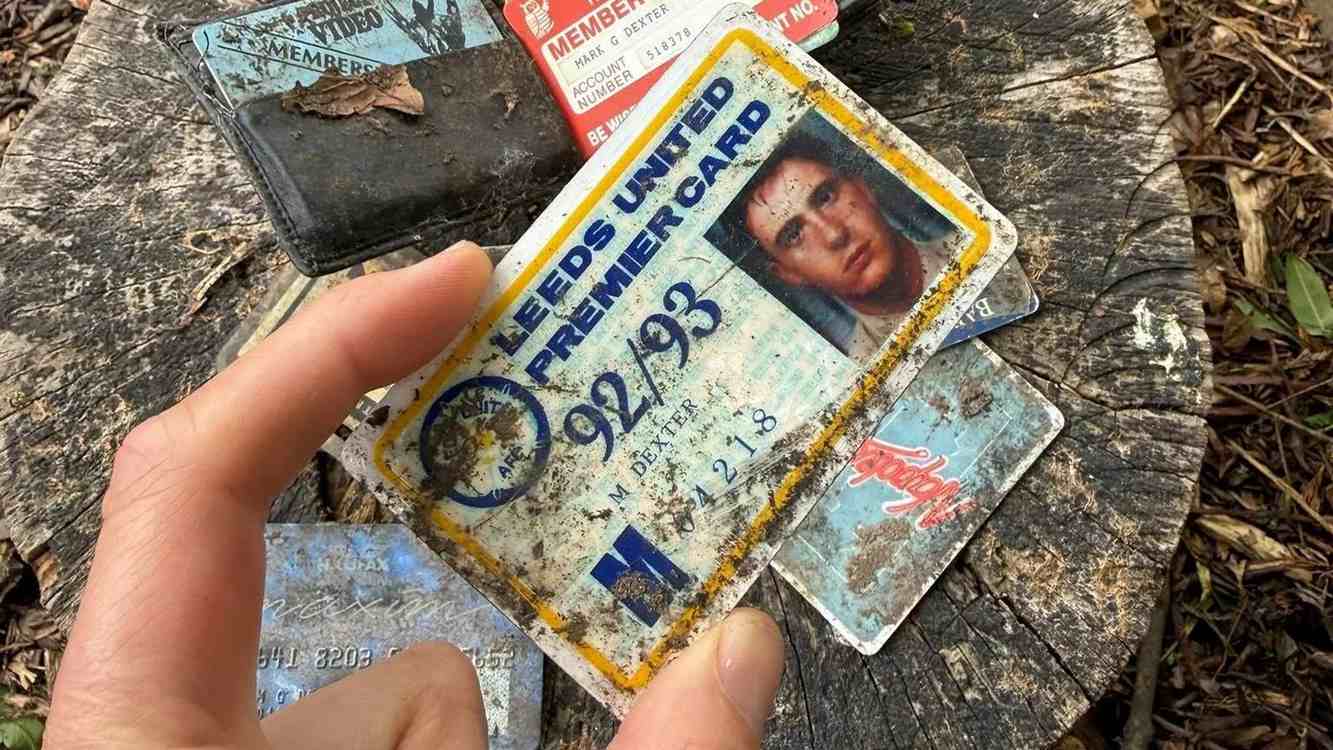
Mark Dexter was sipping tea in his home when his wife called him over to her laptop—on the screen was a photo of his own face, 33 years younger, staring back from a weathered Leeds United membership card. The wallet it came from, lost sometime in the early 1990s, had just been unearthed in Rawdon, West Yorkshire, by a forest school organizer clearing overgrown brush. Inside the cracked brown leather, time had stood still: a driver’s license, a few expired store cards, and that 1992–93 Leeds United season pass, issued the year the club aimed to defend its First Division title after dethroning Manchester United.
Dexter, now 63, spent years as a sports reporter for the Yorkshire Evening Post, covering Leeds United during one of the most electric eras in the club’s history. He once lived near Rawdon and frequented its pubs, but he has no memory of losing the wallet—nor of ever visiting the patch of land where it was found. "I’ve no recollection of ever walking down there at any time in the past," he admitted. The mystery deepened when Claire Wilson, founder of The Secret Garden Rawdon, discovered the wallet buried beneath layers of ivy and soil, remnants of a long-gone garden once attached to a nearby hotel. She posted photos of the contents on Facebook, hoping someone might recognize the man on the football card.
It was a long shot, but it worked. Dexter’s wife spotted the post, recognized the young journalist with the serious expression, and reached out. When they met, Wilson handed over the small leather relic, its corners softened by decades underground. For Dexter, the return wasn’t just about reclaiming lost items—it was a portal to a defining chapter. "In ’92 I was 30 and happy, having a good time, loving journalism, loving working in newspapers. It was just great," he told the BBC, his voice tinged with nostalgia.
The find is more than a quirky anecdote; it’s a quiet testament to how community curiosity and digital connection can resurrect forgotten moments. Wilson’s forest school, which teaches children through outdoor exploration, had been clearing the land as part of a local restoration effort—unwittingly becoming archaeologists of everyday life. The wallet’s survival, shielded by weeds and time, speaks to the resilience of small, personal histories.
Now, Dexter keeps the wallet on his desk, a tactile reminder of youth, passion, and the unexpected ways the past resurfaces. In an age of digital ephemerality, this accidental time capsule—found by chance, returned with kindness—offers a rare, tangible link to who we once were, and how far we’ve come.