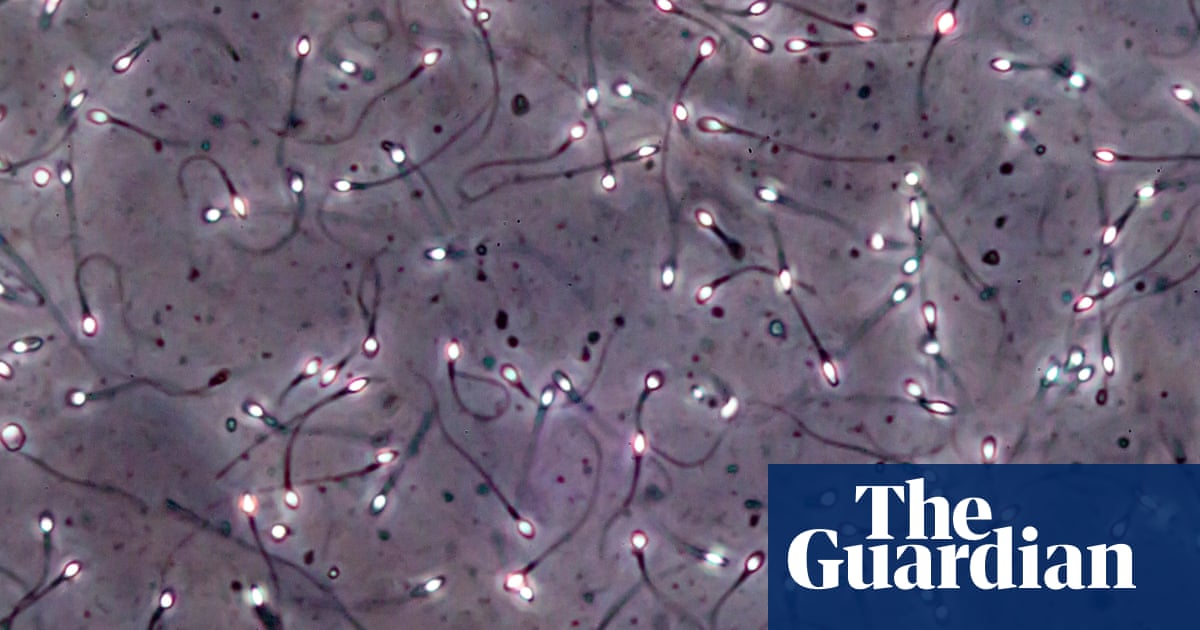
A 27-year-old man in Brussels has achieved what was once thought impossible: producing sperm from testicular tissue frozen when he was just 10 years old. In 2008, before undergoing high-dose chemotherapy to treat his sickle cell disease, surgeons removed one of his testicles, segmented it into pieces, and froze the tissue—a backup plan for fertility in an uncertain future. Last year, 16 years later, four fragments were grafted back into his remaining testicle and four more under the skin of his scrotum. After a year, researchers removed and analysed the grafts. Two of them had done the remarkable: they produced mature sperm, collected and frozen for potential future use. It is the first time anyone has successfully restored sperm production from prepubertal testicular tissue transplanted in adulthood.
The significance ripples far beyond this single patient. Cancer and sickle cell disease treatments like chemotherapy and radiotherapy can be life-saving, but they often leave patients infertile as a side effect. After puberty, doctors can preserve sperm from male patients facing these treatments. But for prepubescent boys, there has been no option—until now. In 2002, the Belgian clinic led by Prof Ellen Goossens at the Vrije Universiteit Brussel became the first to start banking testicular tissue from young patients, storing the immature tissue containing spermatogonial stem cells and supportive sertoli cells that nurture developing sperm. "Many more people will have hope that they can have biological children," Goossens said. "It's great to see for the patients for whom we already have tissue banked."
The first wave of those banked patients are now reaching their mid-20s and early adulthood, when family-building becomes real. This breakthrough comes at exactly the moment they need it. The transplanted tissue remained frozen for 16 years before grafting, proving that decades-long preservation doesn't compromise the cells' potential. The fact that two out of eight grafts succeeded demonstrates the procedure's viability, though researchers note that sperm from the grafts won't naturally reach the semen duct and will require assisted reproductive techniques like IVF for conception.
The implications are already spreading globally. More than 3,000 patients worldwide have testicular tissue banked. In the United Kingdom alone, approximately 200 patients per year could benefit from this approach. Prof Rod Mitchell, who runs a similar trial at the University of Edinburgh, has collected tissue from over 1,000 UK patients since beginning the programme in 2014, with colleagues in Oxford and London. He expects his clinic to carry out its first transplants imminently. "There is now proof of principle in humans that this approach is going to work," Mitchell said. The research, published as a preprint paper pending peer review, represents the culmination of international effort spanning 15 years or more.
The first patient is now deciding whether to undergo additional grafts to collect more sperm or to proceed directly with IVF. His choice, whichever it may be, is a choice that would have been impossible just months ago. For thousands of young patients facing chemotherapy and radiotherapy worldwide, this moment marks a turning point: the knowledge that their fertility might not be sacrificed to save their lives.