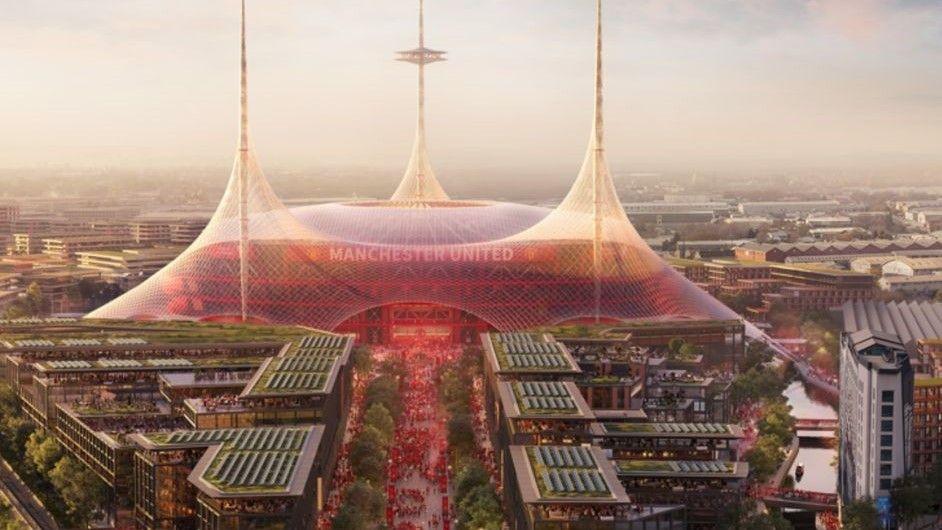
Collette Roche stood on the edge of a 25-acre plot just minutes from Old Trafford, where the echoes of decades of footballing history meet the promise of a bold new era. Manchester United has secured the land needed to potentially build a 100,000-seat stadium—the largest in England—and with it, a transformative vision for the club and the city. This acquisition marks a pivotal step in what Roche calls a "generational opportunity," one that could redefine not just how fans experience football, but how sport fuels urban growth.
The significance of staying close to Old Trafford cannot be overstated. For a club whose identity is woven into the fabric of Trafford, preserving the pilgrimage of matchday rituals—the walk from the station, the buzz of the Stretford End, the shared chants under the same northern sky—is non-negotiable. The new site, acquired from Indurent, a Blackstone portfolio company, ensures continuity while opening doors to modernization. With improved access to Manchester’s Metrolink and wider rail network, the club aims to make the stadium not only larger but more accessible, reducing congestion and enhancing the experience for fans across the UK and beyond.
While financial details remain tightly guarded, the club confirmed in June it had secured $550 million in funding to refinance existing debt, raising questions about how much of that capital may support this project. The land itself sits in the Trafford Park area, where Blackstone reportedly invested between £275 million and £280 million in 2023—though United has not confirmed if this is the same parcel or what it paid. What is clear is the scale of ambition: a stadium that would surpass Wembley’s 90,000 capacity, becoming a national landmark and a hub for community and culture.
Sceptics have dismissed owner Sir Jim Ratcliffe’s early concepts as fanciful—dubbing early renderings a "circus tent"—but the club’s leadership remains resolute. This isn’t just about size; it’s about atmosphere, affordability, and co-creation. "We are committed to building a world-class stadium with our supporters, not just for them," Roche emphasized. The draft masterplan from the Greater Manchester Combined Authority, set to be unveiled on 9 July, will reveal how this vision aligns with broader regional development goals, including transport upgrades and economic regeneration.
As Manchester watches, the dream of a new colossus on the banks of the Ship Canal inches closer to reality—not as a break from the past, but as its boldest continuation.