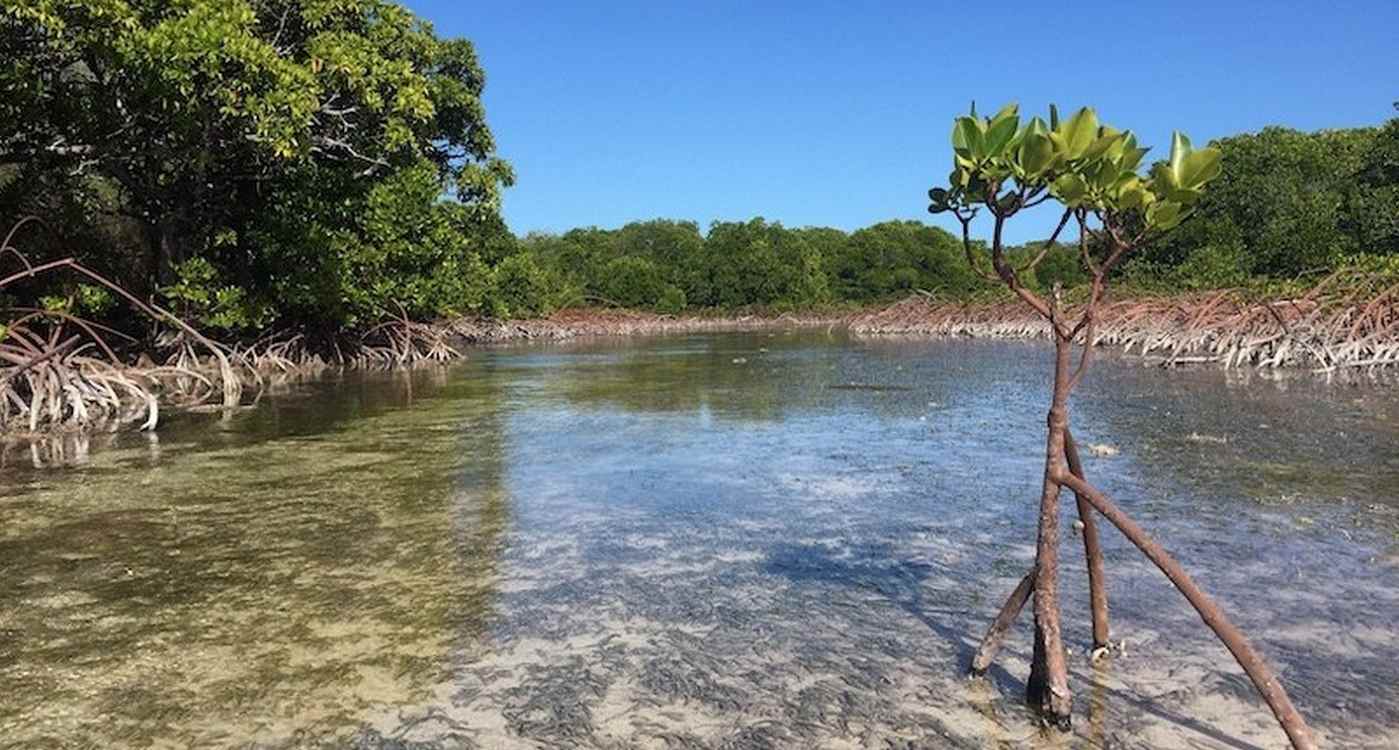
Mangrove forests are reclaiming their place along the world's coasts after decades of catastrophic decline. In what Dr. Daniel Friess, Cochran Family Professor of Earth and Environmental Sciences at Tulane University, describes as a genuine conservation turning point, mangrove forests are now showing a net increase globally for the first time in modern history—reversing a trend that had devastated coastal ecosystems throughout the late 20th century.
The stakes for this reversal could hardly be higher. Mangrove forests absorb up to five times more carbon than terrestrial trees, making them among the planet's most effective carbon sinks. Beyond climate, they filter pollutants and excess nutrients from water while serving as crucial nurseries for fish, invertebrates, and crustaceans. Perhaps most viscerally, they provide unrivaled defense against storm surges and tsunamis—a lesson the world learned tragically following the 2004 Indian Ocean disaster.
The new research, published in Science by Tulane University scientists, reveals just how damaging the 20th-century loss was: the world lost nearly 1,120 square miles of mangrove forests between the 1980s and 2010. The destruction seemed relentless, a slow erasure of these muddy, buggy, unglamorous ecosystems that few tourists visit and developers eagerly pave over for aquaculture or coastal housing. That 30-year hemorrhage of habitat appeared irreversible.
But the past 16 years have told a different story. Gains have now outpaced losses. By 2023, the cumulative damage from four decades of destruction had shrunk to only about a 1 percent net decline—far smaller than previously estimated. The turnaround didn't happen by accident. It reflects the growing impact of conservation policies and restoration programs worldwide, from China's Zhangjiang River Estuary in Fujian Province to Indonesia's island-by-island revival of coastal protection.
Indonesia's experience offers a compelling case study in why mangroves matter. The 2004 tsunami became what lead author Dr. Zhen Zhang calls "a sort of A/B test" across the Indonesian archipelago: islands still covered by mangrove forests were protected far more effectively than those where the forests had been clear-cut. That tragic natural experiment created what Zhang told the BBC was a turning point in public awareness. "Some islands were covered by mangroves and after the tsunami those islands were still protected very well, so that increased public awareness about the importance of protecting mangroves," he explained.
Beyond the simple metric of more area, the research highlights an even more encouraging trend: the surviving mangrove forests are becoming denser and healthier. Closed-canopy forests—the robust, mature stands that store significantly more carbon and provide stronger coastal defense—have expanded globally over the past four decades. Rates of degradation have dropped dramatically since the 1980s, suggesting that mangrove restoration efforts are not just halting the bleeding but actively healing damaged areas.
The implications ripple outward. Healthier, denser mangrove forests likely capture more carbon than scientists previously recognized, offering an underappreciated tool in climate mitigation. As Daniel Friess notes, "While some mangroves are still being lost, this could make them a rare conservation success story and an important source of optimism for climate action." The world's muddiest, most unglamorous forests may yet prove to be among its most valuable.