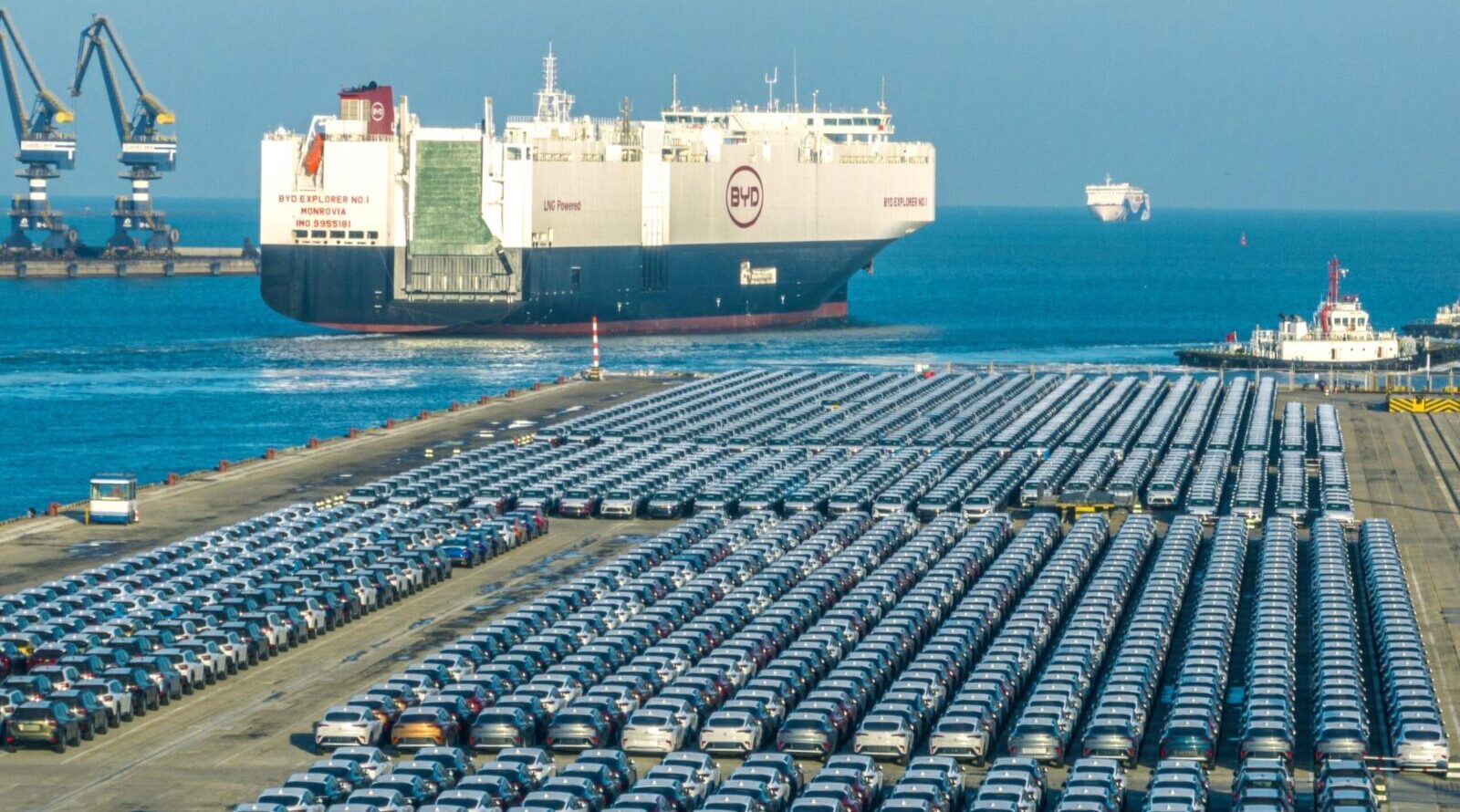
On a misty morning in Rotterdam, the BYD Explorer, a vessel painted in sleek blue and white, hums quietly at the dock—not with the usual growl of diesel engines, but with the soft charge of electricity as it loads hundreds of electric vehicles for export. This quiet moment is a glimpse of what maritime leaders are now demanding at the European level: a future where ships like this one are no longer the exception, but the rule. On July 15, the European Commission is set to unveil its Electrification Action Plan, a pivotal roadmap for scaling clean energy across the continent—and maritime organizations are urging that the shipping sector not be left behind. With Europe importing over 90% of its fossil fuels and shipping accounting for nearly 4% of the EU’s total greenhouse gas emissions, the stakes couldn’t be higher.
Electric solutions are already within reach. Shore-side electricity, also known as onshore power supply, is technically ready and being deployed in major ports like Rotterdam, Hamburg, and Antwerp. This technology allows docked ships to switch off their auxiliary engines and plug into the local power grid, slashing emissions of sulfur oxides, nitrogen oxides, and particulate matter. Yet, despite its viability, progress remains uneven. High infrastructure costs, fragmented regulations, and a lack of coordinated investment are slowing widespread adoption. Without explicit inclusion in the Electrification Action Plan, the shipping industry risks being overlooked in Europe’s clean energy transition.
A coalition of maritime companies and environmental advocates has already submitted a formal letter to the Commission, outlining concrete steps to integrate shipping into the plan. They emphasize the urgent need for targeted funding, harmonized technical standards across EU ports, and incentives for early adopters. The benefits are clear: full electrification of port operations and short-sea shipping could cut the sector’s emissions by up to 80% by 2030, according to industry estimates. Moreover, electrifying shipping aligns with the EU’s broader goals under the Fit for 55 package and the Green Deal, which aim to reduce net greenhouse gas emissions by at least 55% by the end of the decade.
The momentum is building. From the quiet charging of the BYD Explorer to the bustling terminals of Europe’s largest ports, the shift is already underway. What’s needed now is political will to scale it. As the July 15 deadline approaches, the message from the maritime sector is clear: electricity isn’t just for cars and homes—it’s for ships, too. And with the right support, Europe’s waters could soon be as clean as its ambitions.