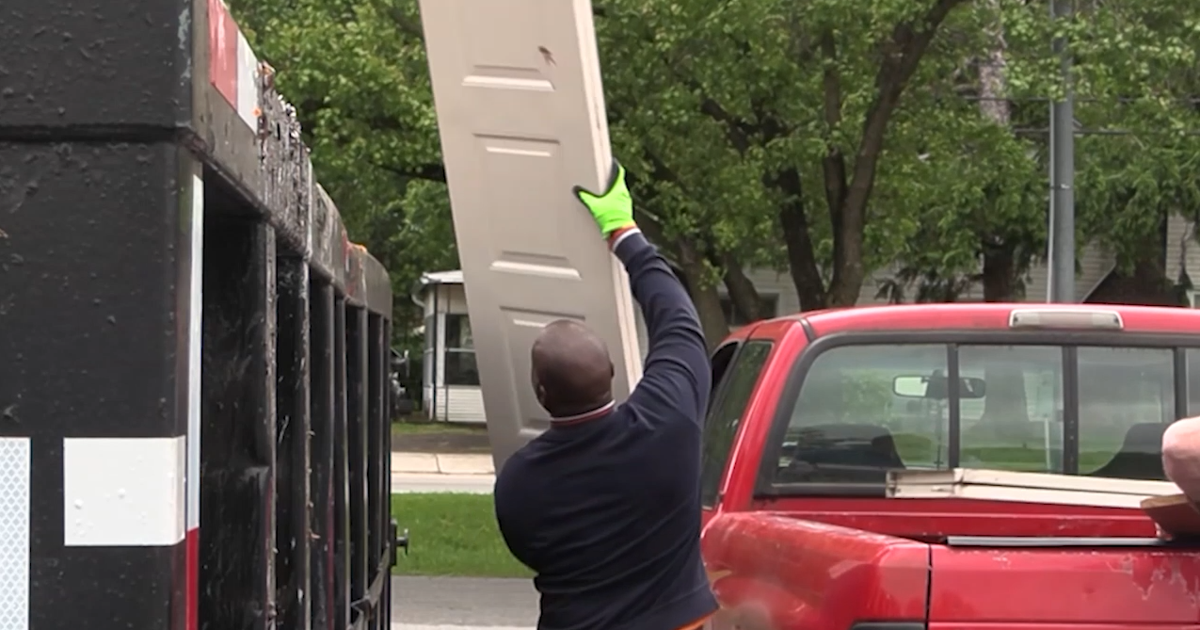
Marcell King still remembers the look on a grandmother’s face when she wheeled a broken freezer from her garage to the drop-off site—just one of 737 loads hauled away during Lima, Ohio’s annual Mayor’s Spring Clean-Up. Over four weekends, 834 residents transformed cluttered yards and cramped garages into cleaner, safer spaces, fueling a wave of neighborhood pride that city officials say is reshaping the city’s spirit. This year’s effort wasn’t just about removing eyesores—it was about reclaiming community. With 81 dumpsters filled, six tandem truckloads of brush collected, and more than 1,300 tires diverted from illegal dumps and landfills, the clean-up has become one of Lima’s most powerful tools for environmental stewardship and civic connection.
The numbers tell a story of collective action: nearly 850 residents stepping up, often as families or block groups, to clear out decades of accumulated junk. But beyond the weight of the waste removed, the event’s real impact lies in its ability to bring people together. For Marcell King, a neighborhood specialist who helped coordinate volunteers, the clean-up is more than logistics—it’s about dignity. "I think it makes a huge difference," he said. "A lot of the community members were pleased. Actually, some of them wanted to have more than just four, but it was a great experience to be able to help the community members get rid of a lot of things that they wanted to get rid of. And also, instead of finding those things in our alleyways and those types of things, they were brought to the cleanup, which was a great thing."
The city’s administration emphasized that the event’s success relied heavily on collaboration. A network of 189 volunteers and multiple dumpster sponsors—from local businesses to civic groups—ensured that every neighborhood had access to disposal sites and support. By making it easy and free for residents to responsibly discard unwanted items, the city not only reduced illegal dumping but also sent a clear message: Lima cares about its streets, its people, and its future. Recycling 1,300 tires alone prevented thousands of gallons of potential stormwater contamination and eliminated breeding grounds for pests.
As the final truck rumbled away from the last collection site, city leaders were already hearing calls for expansion. The clean-up, once a modest initiative, has grown into a cornerstone of Lima’s environmental and social calendar. With momentum building and community enthusiasm at an all-time high, the hope is to extend the program’s reach—adding more drop-off days, expanding recycling options, and inspiring neighboring towns to follow suit. In a world often defined by division, Lima’s story is a reminder that change can start with something as simple as a dumpster, a volunteer, and a shared belief that cleaner streets lead to stronger communities.