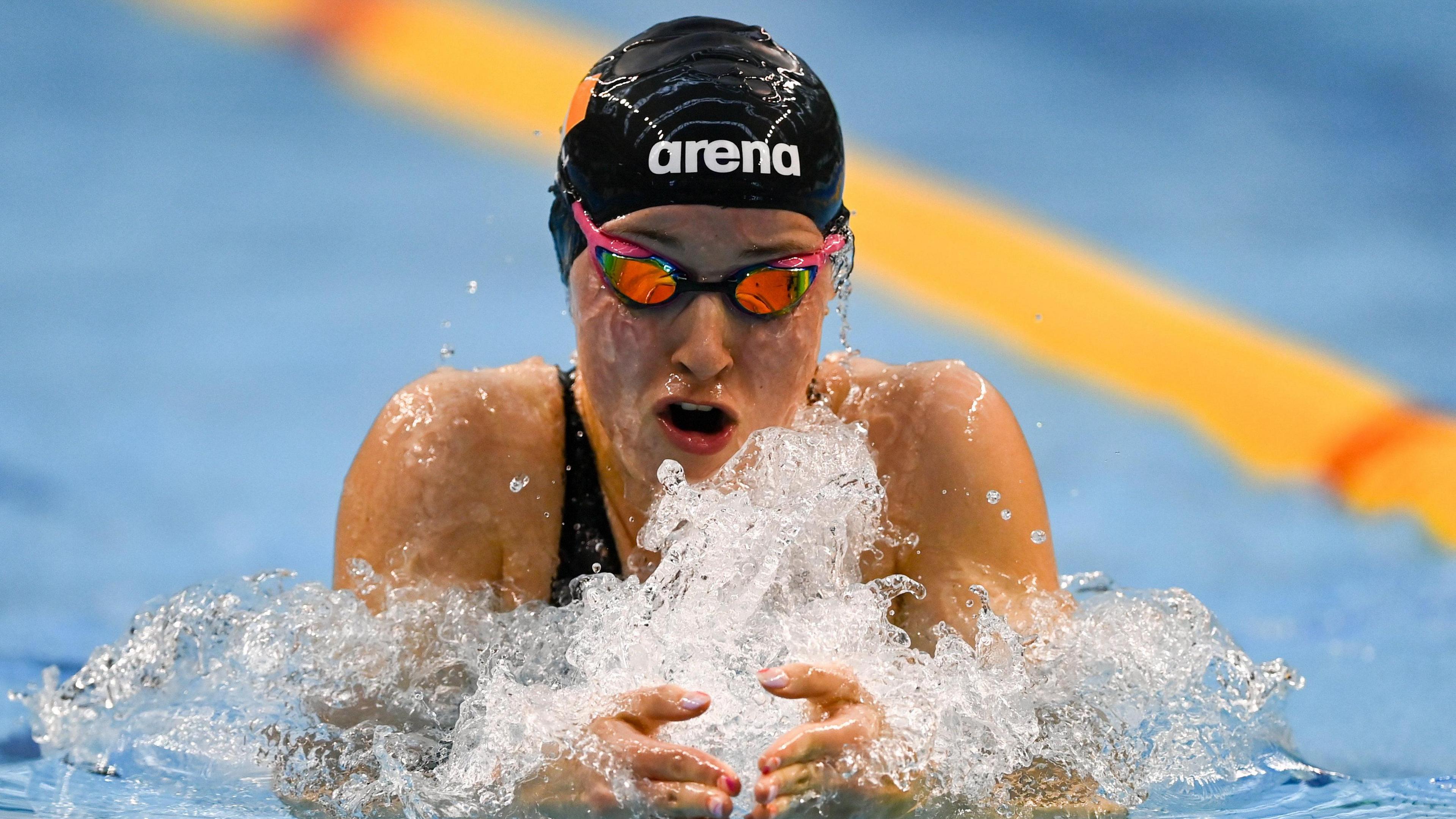
When Ellie McCartney touched the wall at the Aquatics Stadium in Glasgow, she wasn't sure she'd done enough. The 21-year-old from Enniskillen had finished third in the women's 200m breaststroke final at the Commonwealth Games, but in a race decided by fractions of a second, you can never be certain until the scoreboard lights up. Then she saw her time: 2 minutes, 24.73 seconds. Bronze.
McCartney had posted the sixth-fastest time in the semi-finals, which meant she wasn't the favorite going into the final. But she swam a smarter race than ever before, catching water and pushing through the final 50 meters with everything she had. In the end, she beat Australia's Ella Ramsay by just 0.16 seconds — about half the length of a fingertip.
For McCartney, this medal marks a breakthrough. She had already proven herself at the youth level, winning Commonwealth Youth Games gold in 2023 and European Under-23 gold last year. But those were races for younger swimmers. Her bronze in Glasgow is her very first medal at the senior international level — a moment she's been working toward since she was a teenager splashing around in pools across Northern Ireland.
The gold went to Scotland's Abigaille Evans, swimming in front of a home crowd that roared her on. South Africa's Kaylene Corbett took silver. But the biggest cheer of the night might have come when McCartney's result was announced, because Northern Ireland doesn't get many swimmers on the world stage — and when one does, the whole country pays attention.
McCartney's bronze is actually the third medal for Northern Ireland's swimmers at these Games. Bethany Firth won bronze in the 200m freestyle S14, and Barry McClements earned silver in the men's S9 100m backstroke. Together, they've put Northern Ireland on the map in the pool.
"I knew I had to be smart in that third 50," McCartney said after the race, according to BBC Sport. "I've been building toward this for so long. To finally stand on the podium at a senior championships — it hasn't quite sunk in yet."
For a small country like Northern Ireland, every medal counts. The swimmers now have three. And with more finals coming up — including the women's 4x100m medley relay — there's a chance that number could grow before the week is out.